
National Geographic’s 2024 Pictures of the Year feature awe-inspiring snapshots from around the planet, highlighting the wonder of wildlife, the marvels of nature, and remarkable human achievements. From over 2.3 million submissions, the final 20 photographs epitomize exceptional storytelling, revealing extraordinary glimpses of Earth’s diverse treasures.
This year’s compilation spans a variety of subjects, from daring animal exploits to innovative scientific milestones. Showcasing scenes such as agile penguins, elusive black tigers, and cicadas appearing after centuries underground, these images celebrate life’s beauty while sparking important discussions about conservation and ecosystem fragility.
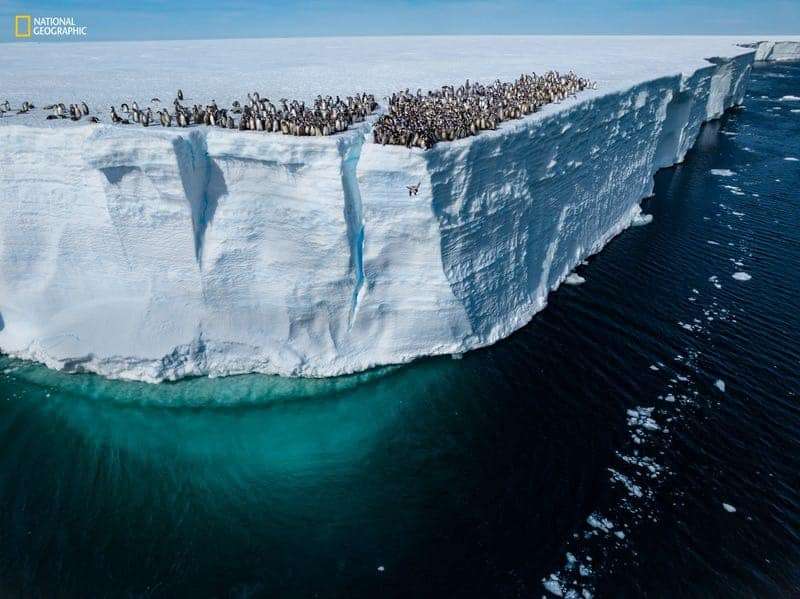
Emperor Penguin’s Bold Plunge in Antarctica
Photographer Bertie Gregory immortalized a thrilling event in Atka Bay, Antarctica, where a young emperor penguin took a courageous leap off a 50-foot cliff to begin its first swim. This fearless jump symbolizes the daunting challenges faced by wildlife adapting to the harsh polar environment and marks a significant milestone in the penguin’s journey to adulthood.

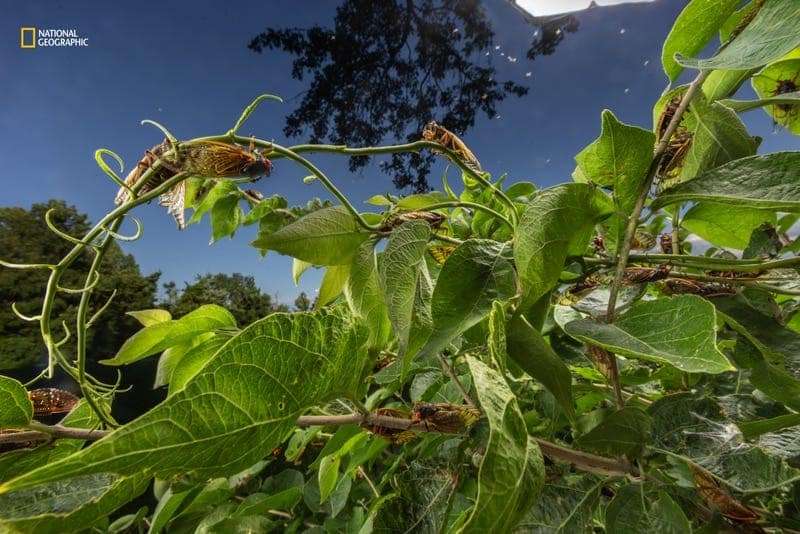
Centuries-Delayed Cicadas’ Stunning Surge
John Stanmeyer captured an extraordinary occurrence in Springfield, Illinois, where two distinct cicada broods emerged simultaneously after more than 200 years. This rare convergence of the 13-year and 17-year cycles created a deafening chorus of mating calls, showcasing nature’s remarkable timing and the intricate rhythms of life.
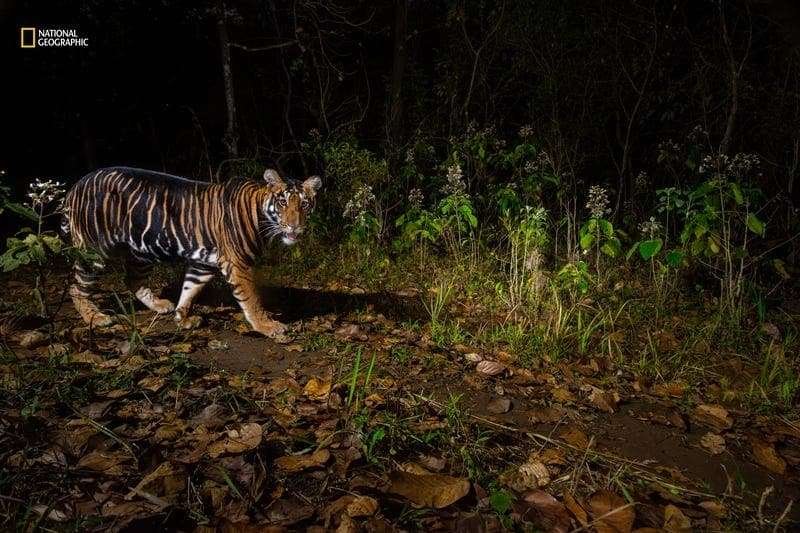
Elusive Black Tiger Spotted in India
After months of patient observation, Prasenjeet Yadav captured a rare image of a black tiger within the dense forests of the Similipal Tiger Reserve. This melanistic predator, distinguished by its merged stripes, remains seldom seen even by locals. The photograph emphasizes the persistence needed to document wildlife in India’s most secluded habitats.
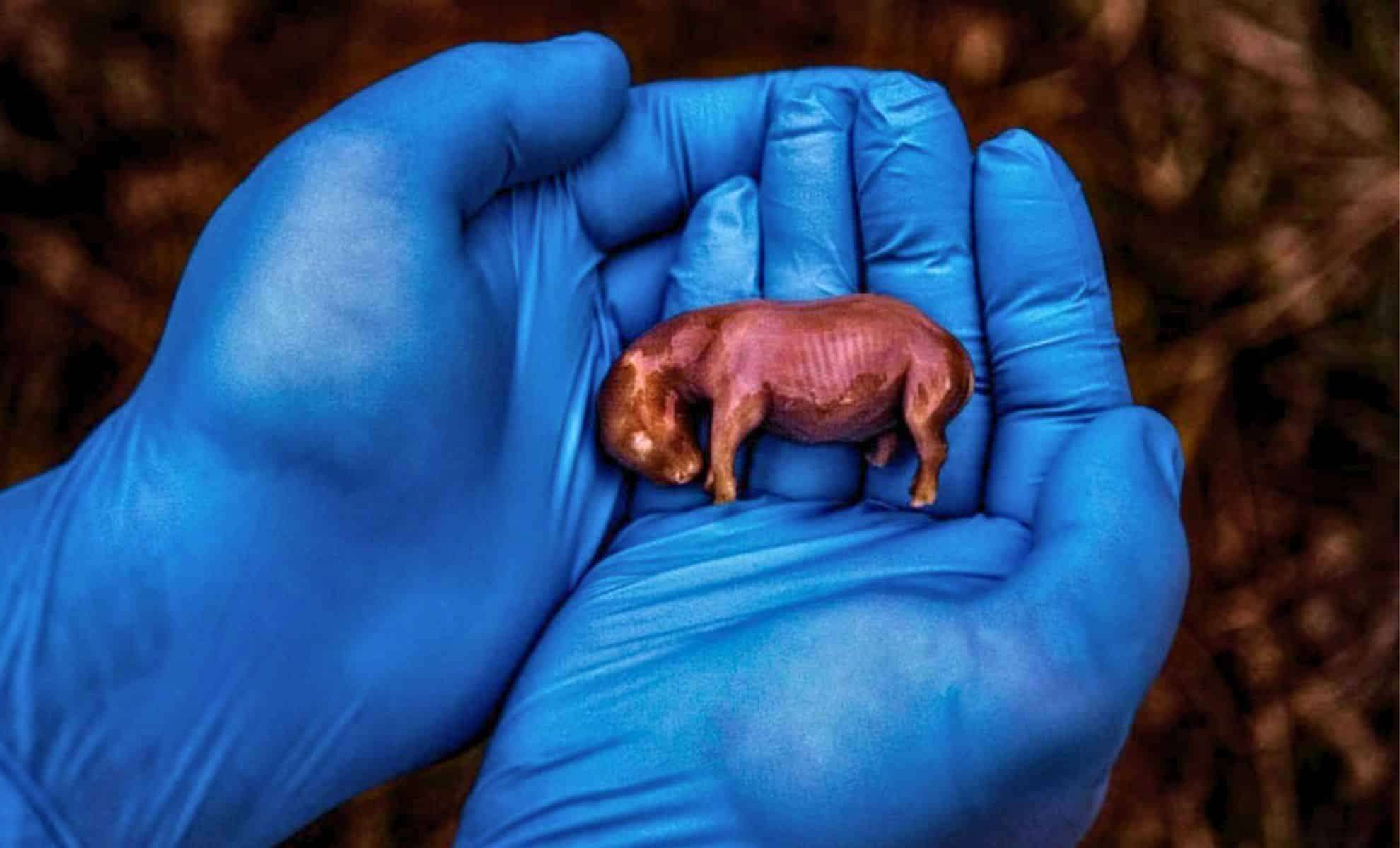
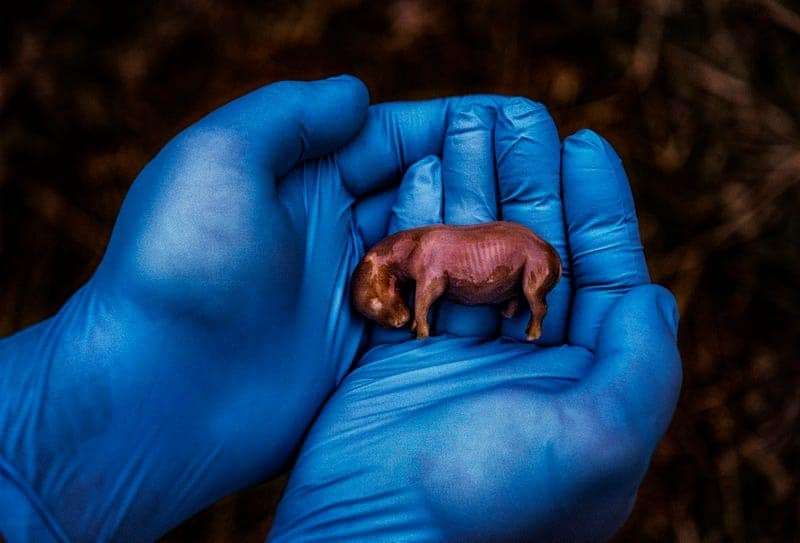
Scientific Advances Giving Rhinos New Hope
With the northern white rhinos on the brink of extinction, photographer Ami Vitale captured a significant moment in conservation efforts. The image of a 70-day-old rhino fetus, created through in vitro fertilization, symbolizes hope for reviving this majestic species. Despite setbacks like the loss of the surrogate mother, this project highlights the crucial role science plays in species preservation.
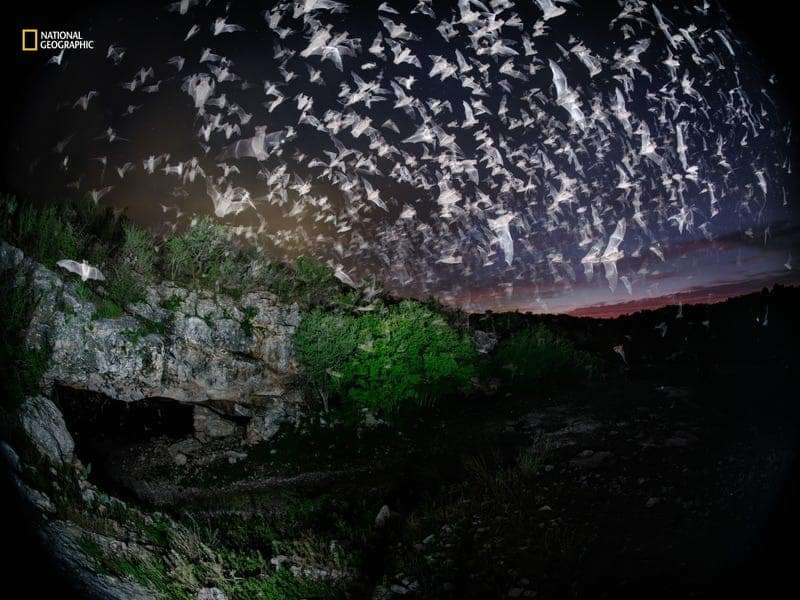
The Spectacular Bat Emergence in Texas
At Frio Cave, Texas, Babak Tafreshi captured millions of Mexican free-tailed bats soaring into the twilight sky. Using a fish-eye lens, the photographer showcased the mesmerizing, synchronized exit as these bats leave the cave to hunt, highlighting the delicate interplay of ecosystems sustained by such phenomena.
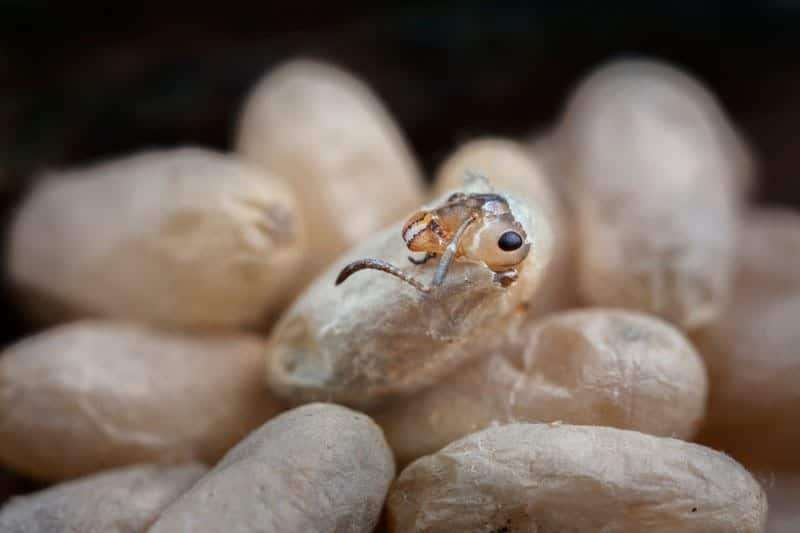
The Secret World of Wood Ants Revealed
Ingo Arndt’s macro photography provides an unprecedented view into the lives of wood ants in Germany. Photographing through a transparent nest created by scientists, he captured the moment a hatchling breaks free from its cocoon, showcasing the delicate details of ant development and reproduction.
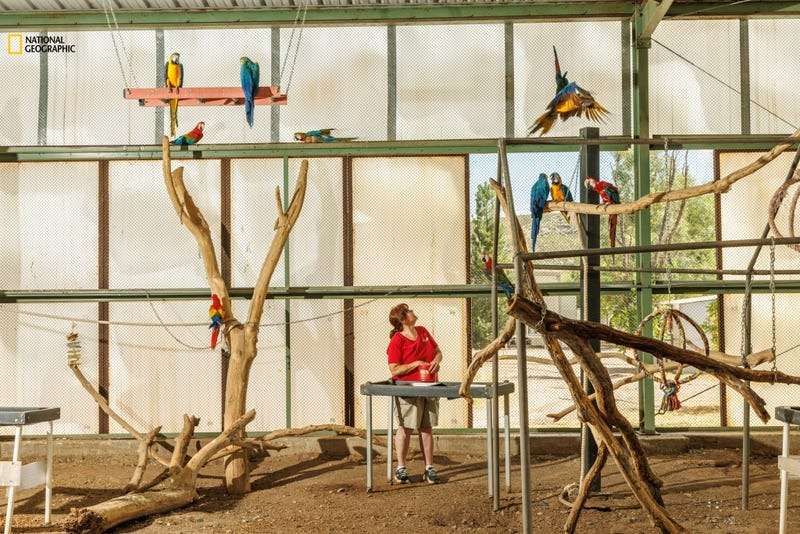
Vivid Macaws Thrive at Arizona Sanctuary
At The Oasis Sanctuary in Arizona, Christie Hemm Klok captured the vibrant daily life of rescued macaws. These highly social birds, with lifespans ranging from 40 to 60 years, face challenges when kept as pets. The sanctuary offers a sanctuary of safety, and Klok’s photo highlights both their vivid plumage and ongoing rehabilitation efforts.
These National Geographic Pictures of the Year remind us of nature’s extraordinary beauty and complexity. They transport viewers to extraordinary places, capturing fleeting yet everlasting moments that narrate stories of survival, discovery, and the profound link between humanity and the natural world.
Which image resonates with your sense of wonder most deeply? Share your thoughts and tell us which story stirred your spirit the most.
- Categories:
- Nature














0 comments
Sign in to Comment