
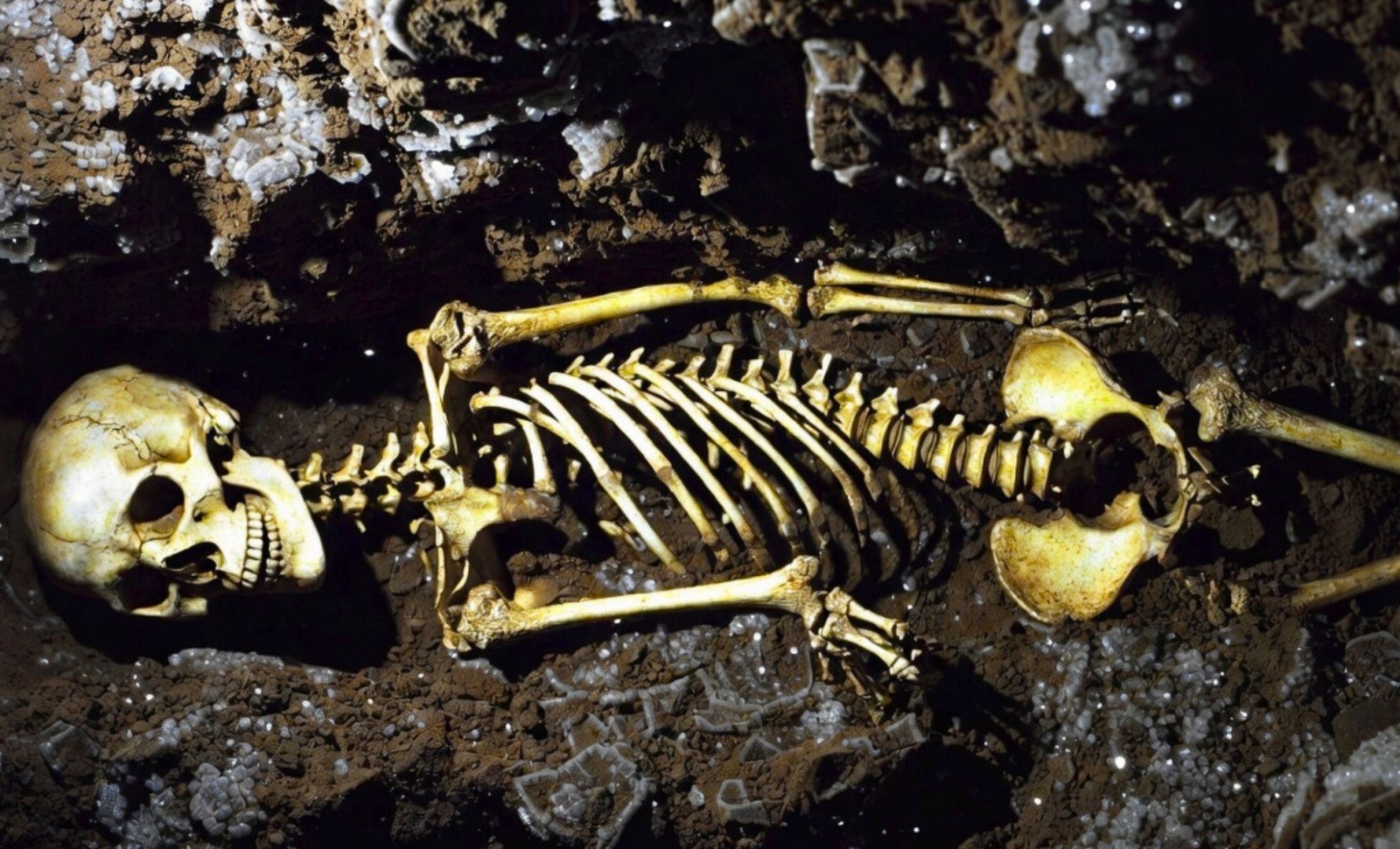
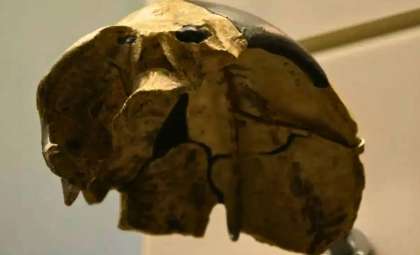
Deep in the river terraces of central China’s Hubei Province, a fossilized skull previously considered too damaged to study is now stirring debate in paleoanthropology circles. Known as Yunxian 2, this specimen had remained largely overlooked for over thirty years, assumed to be a crushed example of Homo erectus, an extinct human ancestor.
Recent advances in high-definition scanning and 3D digital reconstruction have breathed new life into this fossil. According to a report published in Science, the skull may not belong to the familiar Homo erectus lineage. Instead, it exhibits features aligned with the “longi clade”, a group potentially linked to the elusive Denisovans, closely related to modern humans.
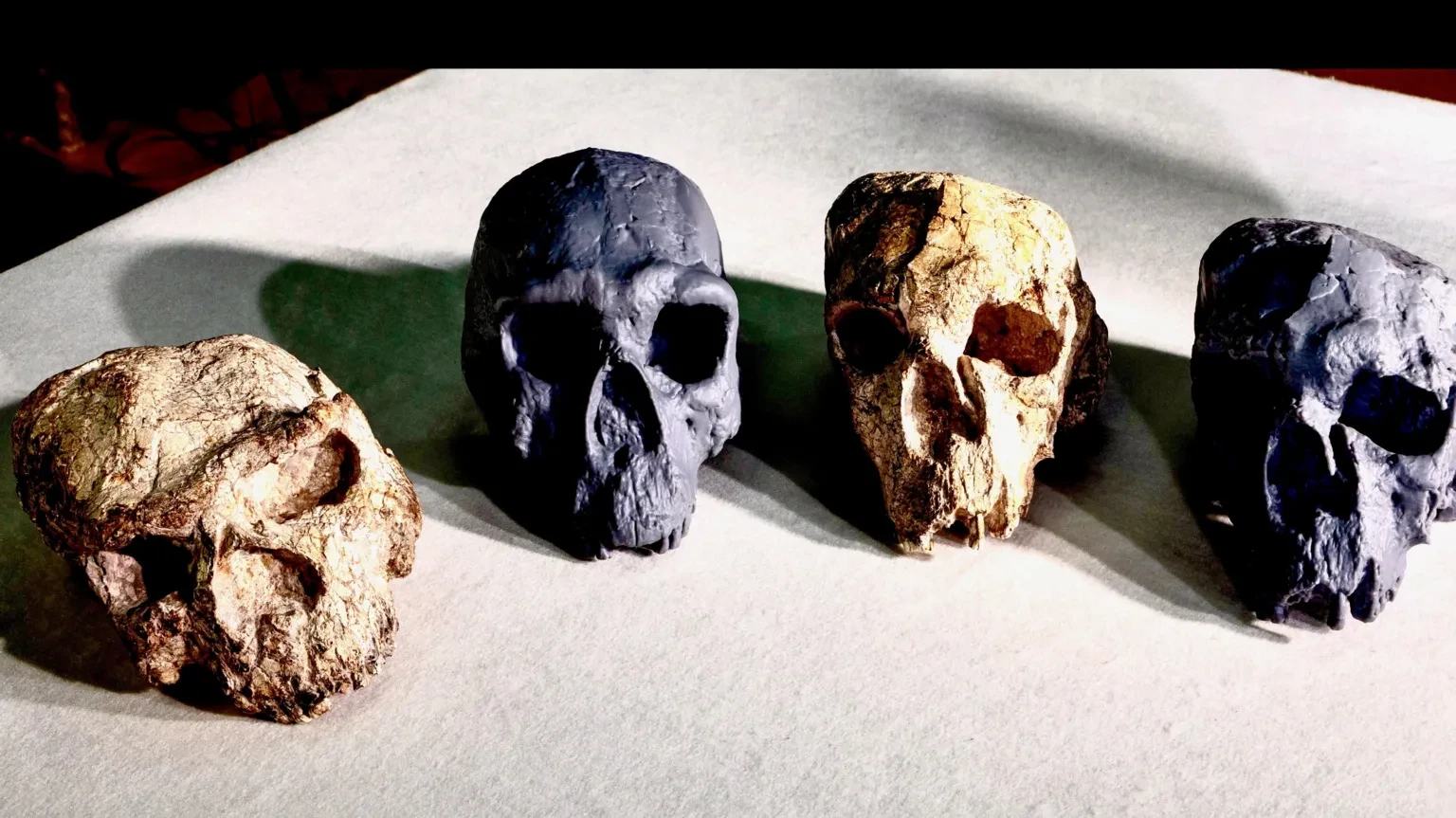
Reconstruction Techniques Reveal a New Hominin Group
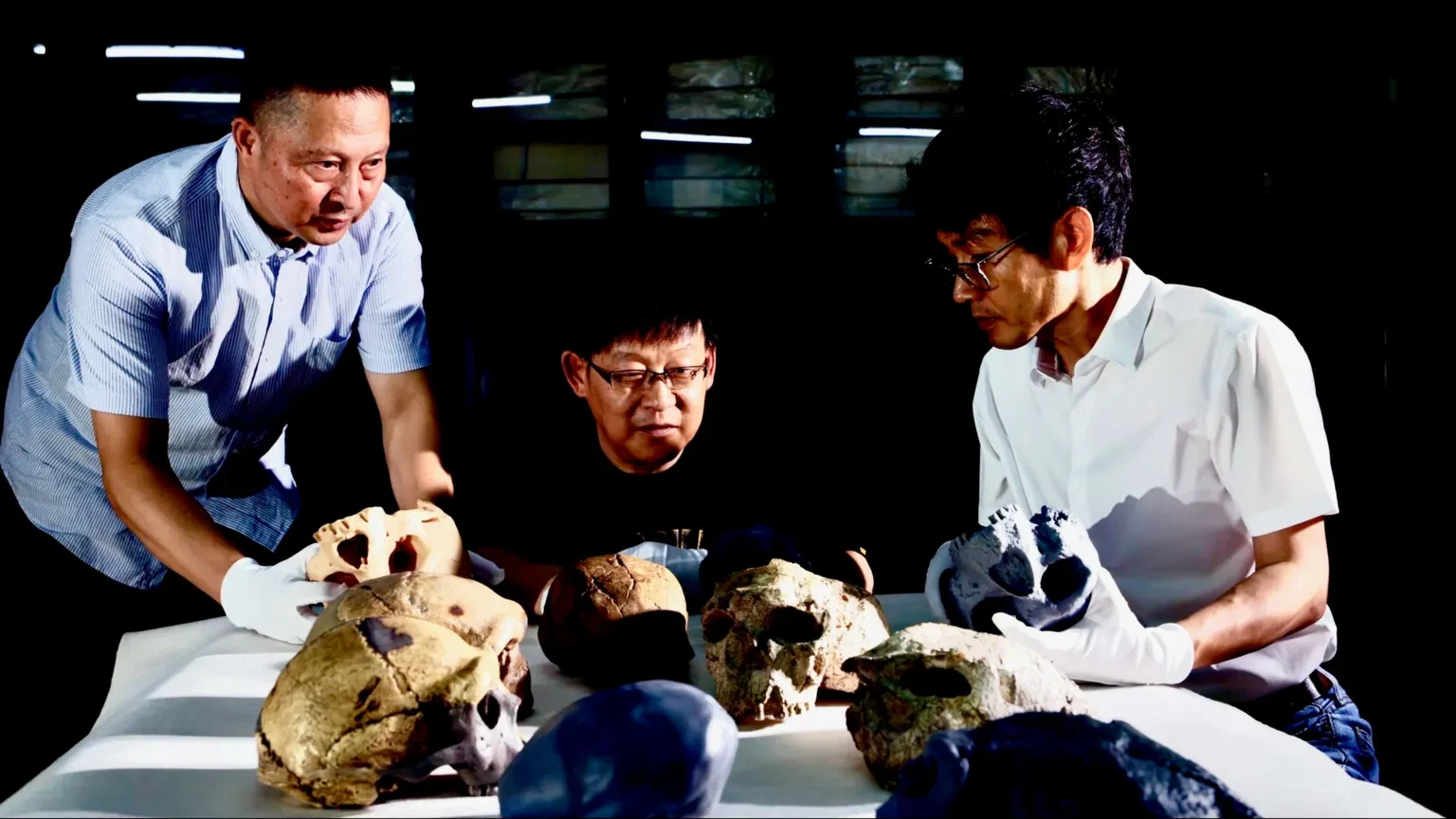
The investigation, headed by Professor Xijun Ni from Fudan University alongside Chris Stringer from the Natural History Museum in London, re-examined Yunxian 2 utilizing cutting-edge digital methods. Excavated near the Han River in 1990, the skull’s distortion initially limited scientific interpretation.

By applying high-resolution CT scanning combined with virtual restoration, the team managed to “digitally flatten” the fossil, uncovering anatomical traits that complicate straightforward classification. The cranium’s shape lacks the distinctive backward slope typical of Homo erectus and does not exhibit the occipital bun associated with Neanderthals. Its brain size, around 1,143 cubic centimeters, sits between early Homo erectus and the larger brains of modern humans or Neanderthals.
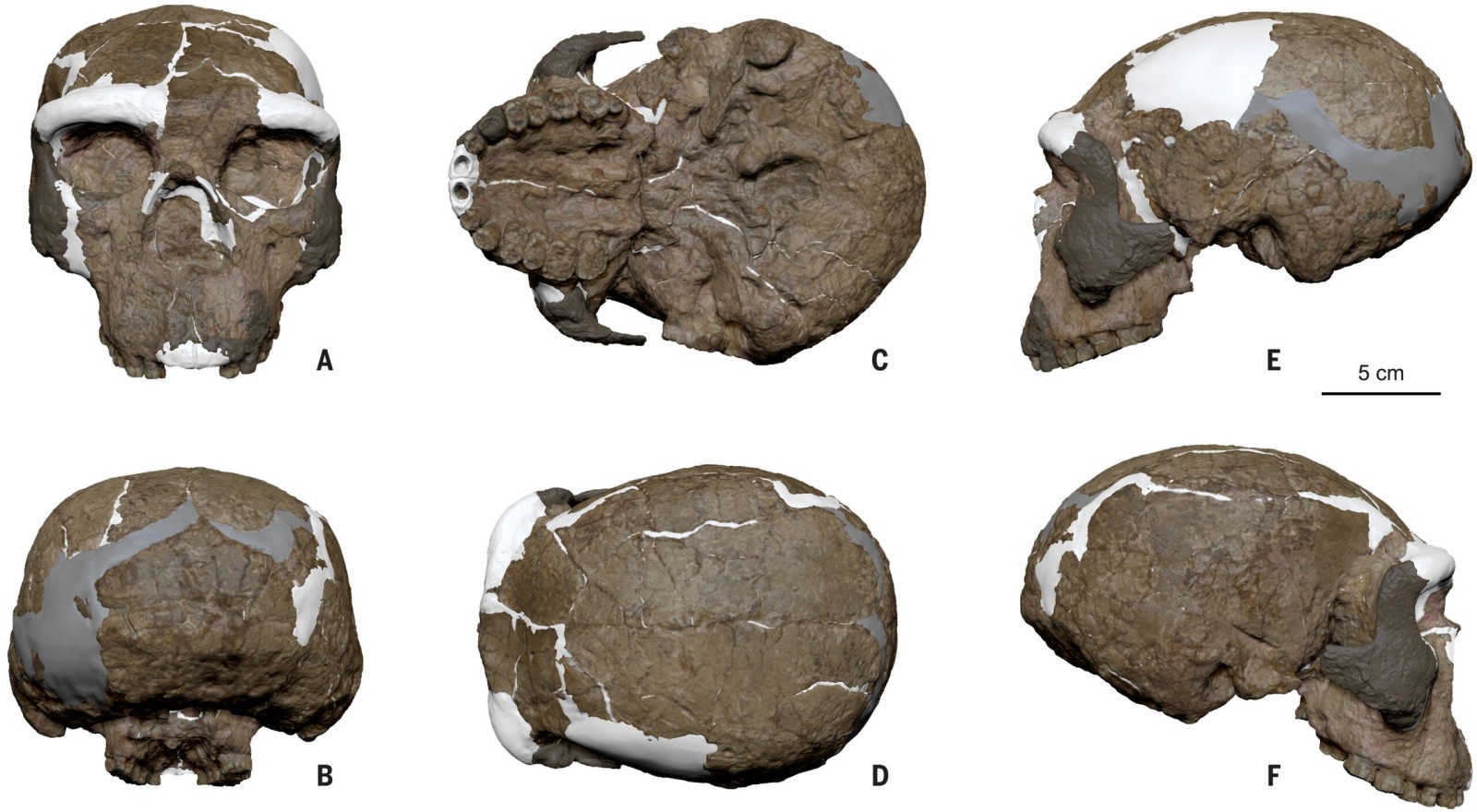
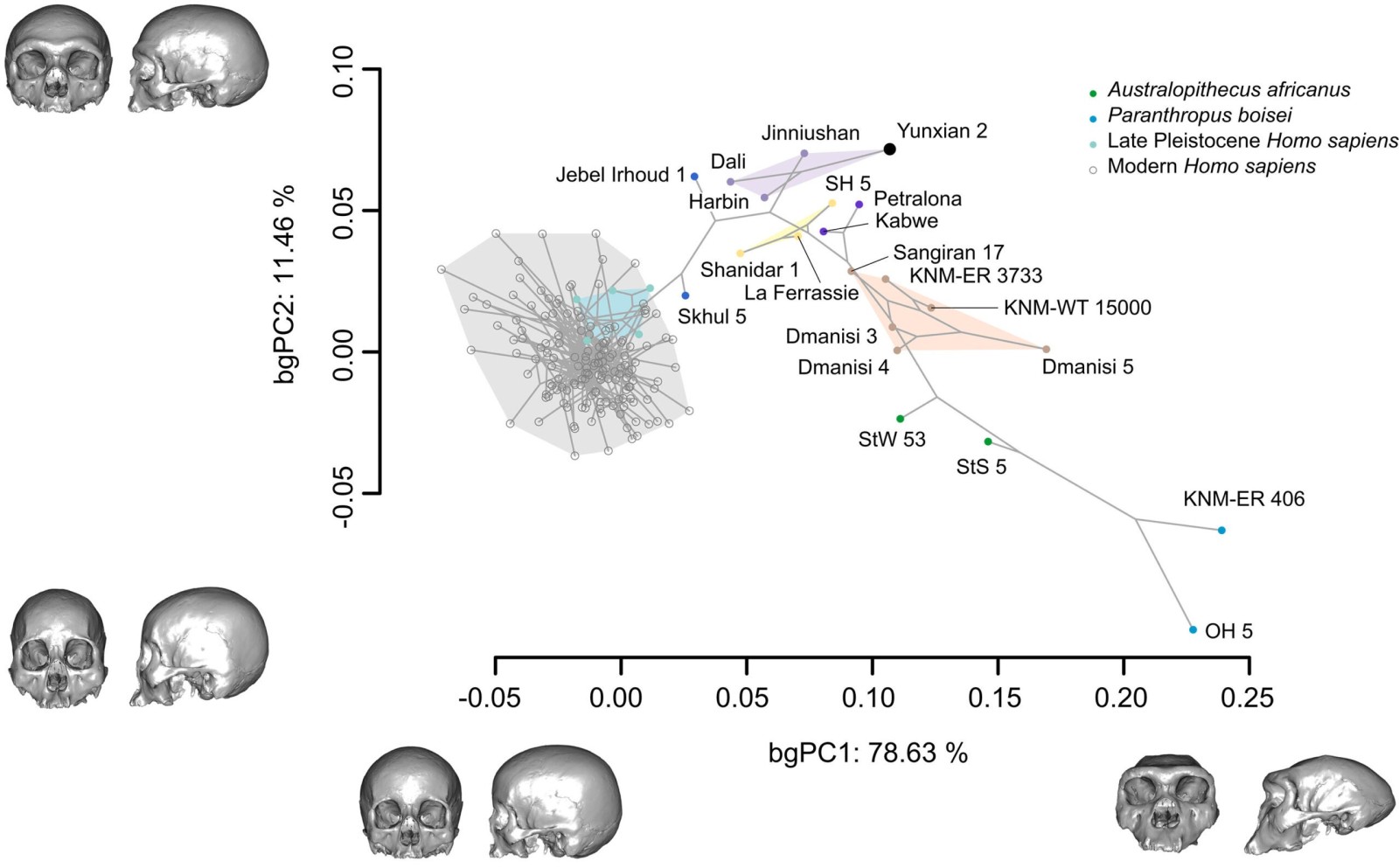
Utilizing geometric morphometrics, the researchers analyzed the skull’s form against 179 fossil and modern human skulls. Their findings suggest the closest affinities are to the Harbin and Dali specimens, considered part of the longi clade that also encompasses the Denisovans, a population mainly known from ancient DNA found in Siberia.
The team concludes this clade diverged from the Homo sapiens lineage approximately 1.3 million years ago, proposing Yunxian 2 as one of the oldest representatives of this group. This conclusion resonates with Hominides, which highlights how the fossil connects previously isolated Asian findings.
Extended Coexistence of Multiple Human Ancestors
If Yunxian 2 truly belongs to the longi-Denisovan lineage, the data suggest a much earlier separation between modern humans and their closest relatives than previously recognized. This implies that three dominant hominin groups—Homo sapiens, Neanderthals, and Denisovans—may have lived side-by-side for nearly a million years, challenging traditional views on ancient human evolution.
This discovery also illuminates the complex Middle Pleistocene fossil record, a period spanning 770,000 to 126,000 years ago and known for its confusing variety of hominin forms. With its mixed features, the Yunxian 2 skull supports the idea that East Asia harbored a rich diversity of early humans, more extensive than fossils found in Africa or Europe alone.
These findings position East Asia as a pivotal center in human evolution where multiple lineages evolved concurrently, with potential interbreeding across widespread areas over millennia.
Diverse Perspectives on the Findings’ Implications
While the study presents compelling evidence, some experts remain cautious about revising evolutionary timelines. Co-author Chris Stringer noted in Science that repeated assessments consistently show Yunxian 2 does not fit the profile of Homo erectus but relates more closely to other East Asian fossils sharing traits with modern humans.
Conversely, evolutionary geneticist Dr. Aylwyn Scally at the University of Cambridge highlighted the difficulties inherent in dating divergence events without genetic evidence, cautioning that even the best genomes can rarely narrow the timing of splits within 100,000 years.
Criticism also comes from the limited use of ancient DNA; the morphological study lacks direct genetic material such as mitochondrial or nuclear DNA to conclusively associate Yunxian 2 with Denisovans or related groups. This concern is echoed by commentators like John Hawks and Florent Détroit, who advise caution when assigning evolutionary relationships solely on physical characteristics, as reported by Hominides.
Despite differing opinions, the study’s advanced digital reconstruction methods and comprehensive comparative approach are widely acknowledged as a significant advancement in paleoanthropology techniques.
Rethinking Human Ancestry’s Complex Web
The insights from the Yunxian 2 fossil contribute to a growing shift in understanding Homo sapiens’ origins. Rather than a straightforward linear evolution from archaic ancestors in Africa, a far more intricate narrative is emerging—one involving multiple early human groups, repeated migrations, and overlapping species across continents.
If modern humans, Denisovans, and Neanderthals diverged over a million years ago, then the human family tree resembles a tangled web rather than a single line, encompassing intersecting timelines, shared traits, and probable genetic exchange.
Modern tools such as CT scans and 3D digital modeling enable scientists to extract valuable data from fossils once considered unusable. The case of Yunxian 2 demonstrates this potential and serves as a reminder that critical clues about our evolutionary past might still be hidden, awaiting rediscovery.
- Categories:
- Science


0 comments
Sign in to Comment