
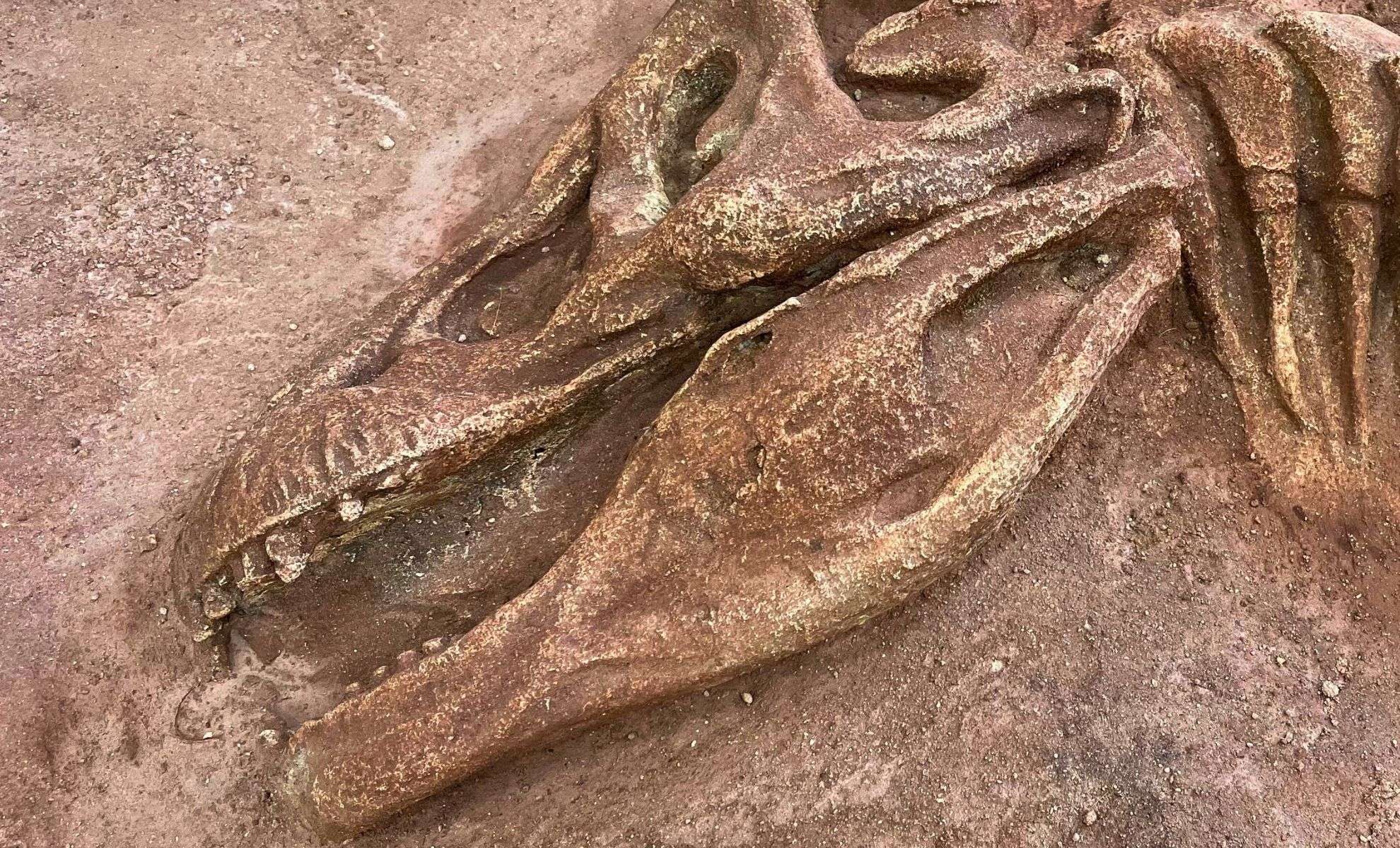
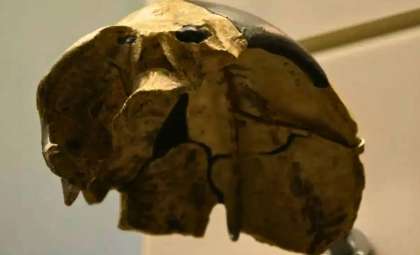
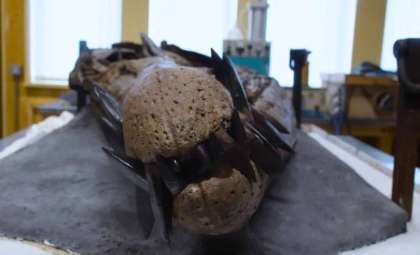
Embedded deep beneath ancient strata and layers of history, an extraordinary dinosaur skull came to light, seemingly untouched by time. What began as a faint glimmer of bone turned out to be a fossil belonging to one of the most unusual dinosaur families known to paleontology: the pachycephalosaurs, commonly called dome-headed dinosaurs.
The species, christened Zavacephale rinpoche, with "rinpoche" meaning "precious one" in Tibetan, represents the oldest confirmed pachycephalosaur ever found. Remarkably, the discovery included an almost complete skeleton—an exceptionally rare find among this group.
An Odd Contour on Rocky Terrain
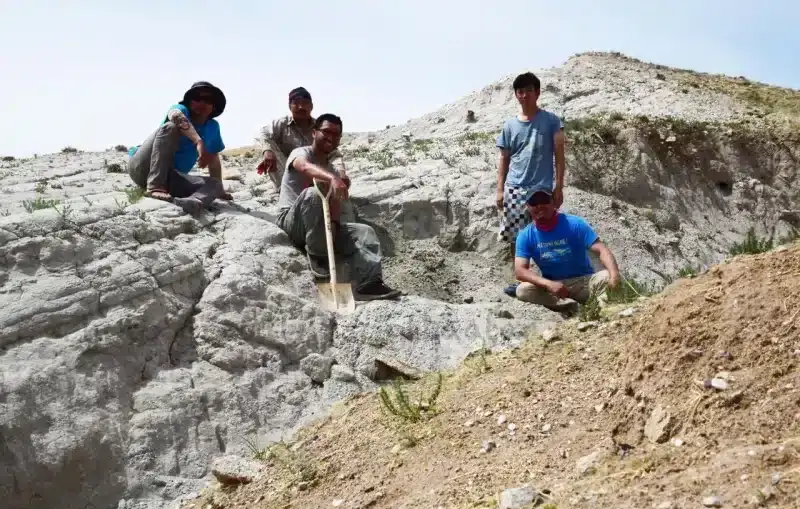
In 2019, paleontologist Chinzorig Tsogtbaatar, now affiliated with North Carolina State University, was exploring a fossil-rich site with his team when he noticed something unlike natural rock formations.

Upon investigating, he uncovered a distinctive, dome-shaped object embedded in the cliff—a skull, unmistakably dome-headed. The discovery stunned the team into silence. "We literally held our breath," Tsogtbaatar recounted.
Fast forward to 2025, this fossil, now formally named Zavacephale rinpoche, has become a landmark find, dating back 15 million years earlier than any previously identified members of this dinosaur clade. The findings were detailed in Nature by Tsogtbaatar along with Lindsay Zanno, a fellow NC State paleontologist and head of paleontology at the North Carolina Museum of Natural Sciences.
Miniature Limbs Coupled with a Robust Skull
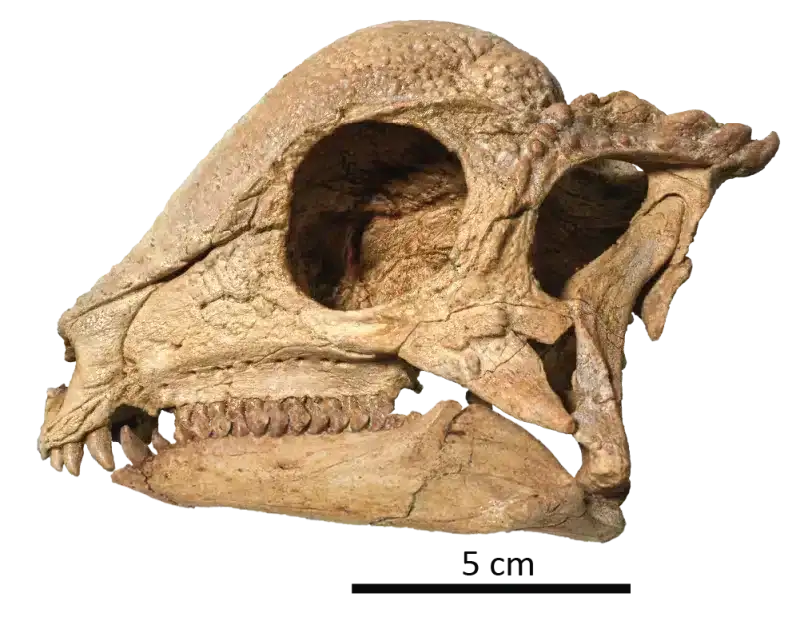
Pachycephalosaurs are renowned for their thick, reinforced skull domes, which resemble battering rams perched atop birdlike bodies. However, until this discovery, fossils mostly consisted of incomplete skulls and scattered bone fragments. This new specimen profoundly expands researchers’ understanding.
The individual was a juvenile, about two years old, yet already exhibited a fully formed dome outlined with protective spikes. Notably, the fossil preserved hand bones, the first ever found from this group.
Zanno admitted initial confusion about the tiny limbs. "At first, we suspected these might be remnants of something the dinosaur had swallowed rather than its own anatomy," she explained.
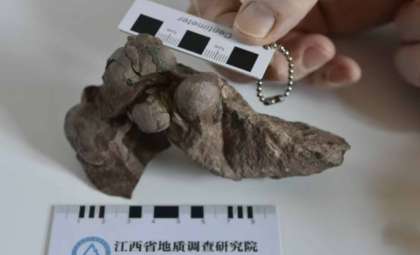
The excavation also recovered leg bones, ossified tendons along a rigid tail, and even gastroliths—small stones the herbivorous dinosaur likely used to grind plant material. Roughly the size of a German shepherd but much lighter at approximately 12 pounds, most of its mass was in the neck and tail.
The Purpose Behind the Domes
The function of these sturdy skull domes has fascinated scientists for years. Zanno remarked, "Their helmets are virtually indestructible." Whatever role they played, it appears these features developed early; even this juvenile specimen was fully equipped.
The findings suggest that dome-related behaviors—whether combative or protective—may have commenced earlier in life than previously believed, challenging the assumption that such traits only appeared in adults as part of mating or territorial rituals. Perhaps young pachycephalosaurs were already engaging in sparring matches, preparing for future confrontations.
A Discovery Beyond Imagination
This fossil bridges a significant gap in pachycephalosaur history, a period previously lacking evidence, while providing an unprecedented complete view from skull to tail. "Normally, we piece together fragmented remains," noted David Evans, a paleontologist at the Royal Ontario Museum. "But this find is truly beautiful and whole."
Cary Woodruff of Miami’s Frost Museum of Science offered a blunt reflection: "The very fact that Tsogtbaatar uncovered this specimen is astonishing." Woodruff emphasized that most fossils require considerable inference. "But with this one, nothing had to be guessed. Even the teeth seemed to be grinning at you."
After remaining in Mongolia during the global pandemic, the fossil was transported to North Carolina in 2022 for specialized analysis. It has since been repatriated to the Institute of Paleontology of the Mongolian Academy of Sciences, where it serves as a vital research asset and a cherished national treasure.
- Categories:
- Science


0 comments
Sign in to Comment