
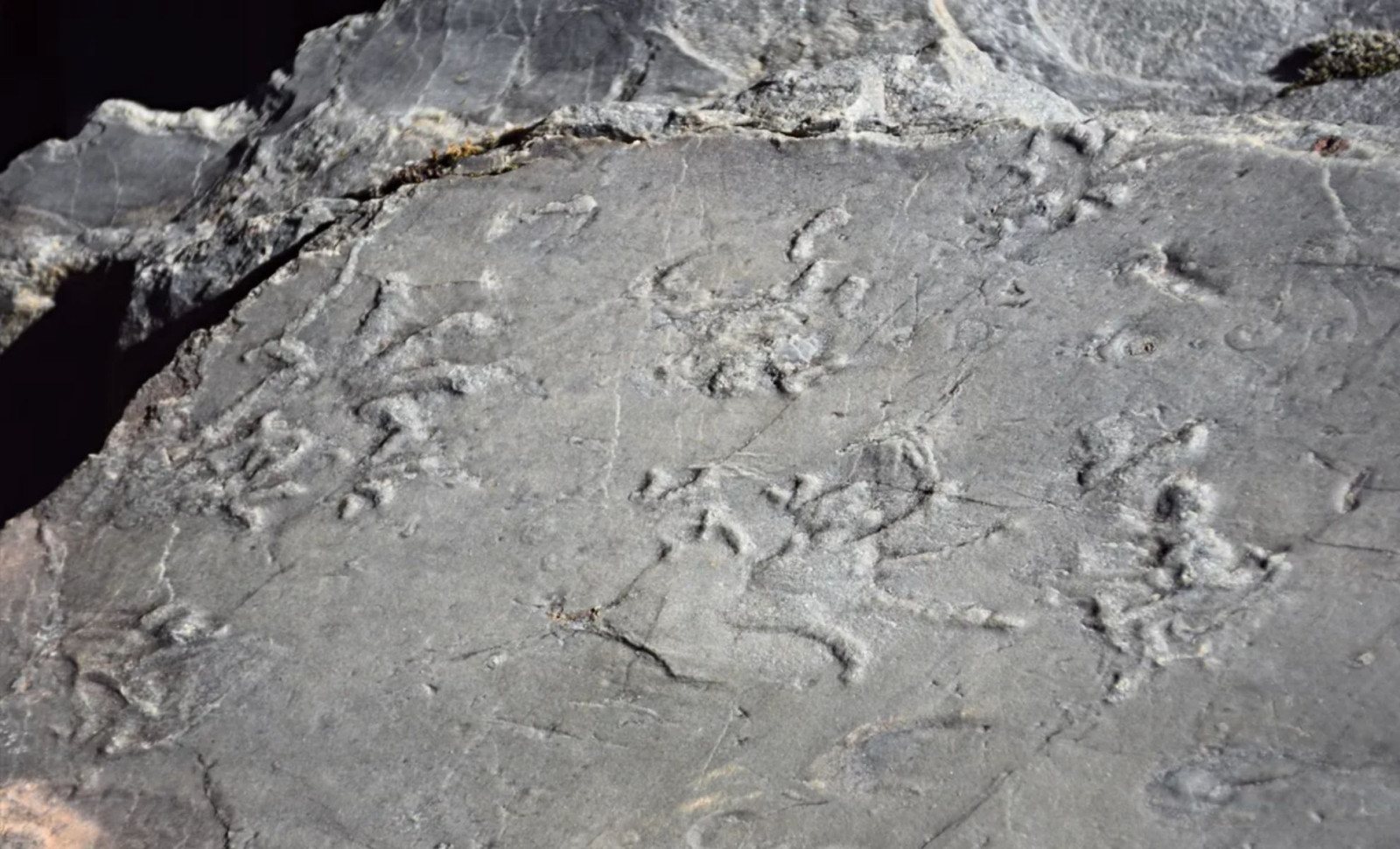
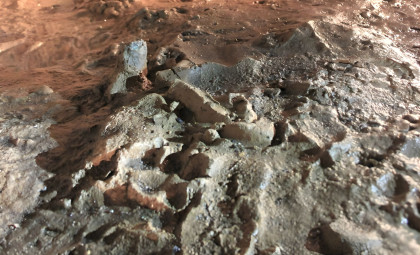
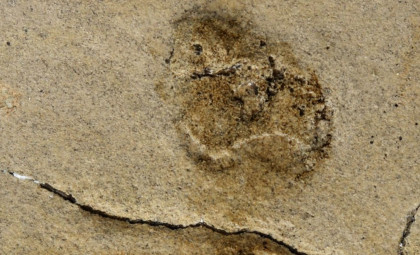
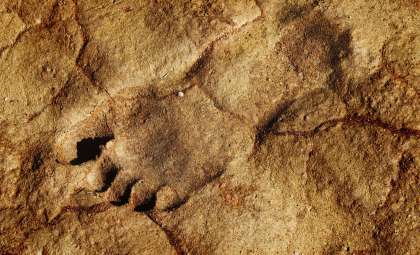
An extraordinary fossil site dating back 280 million years has been revealed in Italy's Orobie Valtellinesi Park within the Alps, thanks to the melting snow uncovering rock surfaces rich with ancient imprints. This remarkable find features footprints, plant remnants, and even fossilized rain marks, providing scientists with an exceptionally detailed glimpse into a prehistoric ecosystem.
The discovery originated in 2023 when a hiker observed unusual patterns along a mountain path. What started as a casual observation quickly escalated into a significant scientific inquiry after the photos reached experts at Milan’s Natural History Museum.
What sets this location apart is the extraordinary detail preserved in the rock formations. Rather than isolated fossils, researchers have uncovered a comprehensive environmental record illustrating interactions among animals, plants, and water within a Paleozoic-era habitat.

A Hiker’s Chance Encounter Sparks Scientific Breakthrough
The first indication came when Claudia Steffensen was trekking down a trail during a warm summer day. In an interview with the Guardian, she described how she noticed a rock resembling “a slab of cement” before recognizing it contained circular shapes and ripple-like lines that turned out to be fossilized footprints.
After snapping pictures, she shared them with her friend, photographer Elio Della Ferrera, who passed them on to the Natural History Museum of Milan. This prompted a field survey that uncovered hundreds of fossil impressions spread across cliffs and loose rocks.
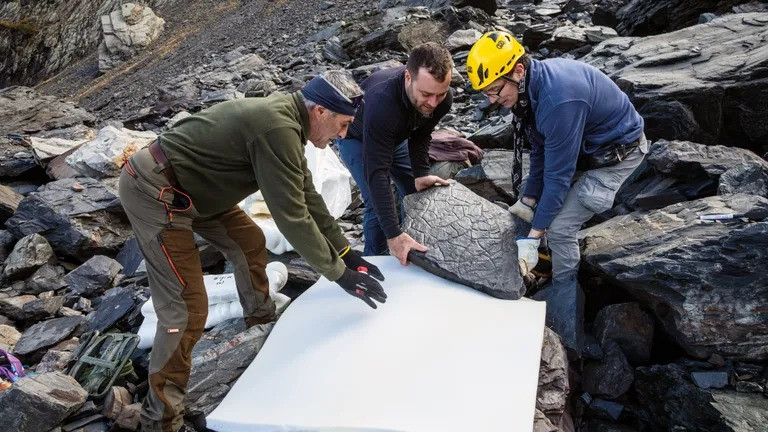
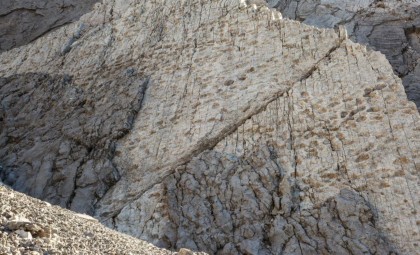
The fossil site extends along vertical rock faces and debris slopes, with some traces located at elevations nearing 10,000 feet. According to the Natural History Museum of Milan, this wide distribution indicates several separate prehistoric layers have surfaced over time.
A Vivid Glimpse into Prehistoric Life
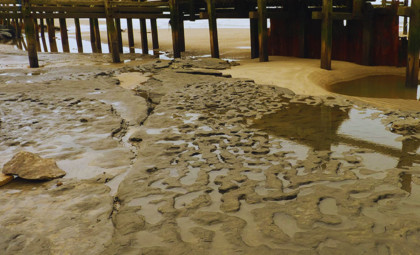
The location preserves evidence of amphibians and reptiles, alongside tail drag marks, plant fragments, seeds, and even impressions resembling fossilized raindrops. Rippled rock patterns suggest the presence of ancient shallow waters or lake shores.
Lorenzo Marchetti, an expert in sedimentology from the Leibniz Institute for Evolution and Biodiversity Research in Berlin, noted the exceptionally fine grain of the rocks which enabled preservation of minuscule features.
“The very fine grain of the sediments, now petrified, has allowed the preservation of sometimes impressive details, such as the imprints of the fingertips and the belly skin of some animals.”
Rather than just bones or isolated fossils, this site captures traces of behavior and movement. Scientists can observe how creatures paced across the terrain, how water shaped the landscape, and how sediments recorded these behaviors.
Footprints Frozen Through Time
The fossilization began when the area was covered by wet sandstones and clays. Ausonio Ronchi from the University of Pavia explained that animals stepped onto soft, moist ground, leaving footprints behind.
Ronchi detailed how the sun's drying effect solidified the surface, and subsequently, successive sediment layers buried the tracks before erosion could erase them. This natural layering sealed the prints in stone, preserving intricate details that ordinarily vanish quickly.
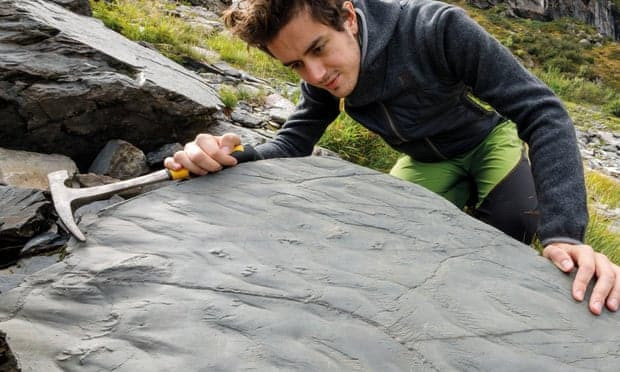
The area remained concealed for millions of years until recent glacial retreat and snowmelt revealed it once more. Researchers note such exposure events are becoming increasingly common in mountainous regions due to climate change.
Transforming the Mountain into a Research Hub
Presently, Orobie Valtellinesi Park serves as an open-air research center. Park director Massimo Merati remarked that teams employ drones to survey sheer rock faces and helicopters to safely extract fragile boulders that cannot be manually handled. One of these contains ancient reptile footprints.
“Dinosaurs did not yet exist at that time, but the authors of the largest footprints found here must have been still considerable in size,” said paleontologist Cristiano Dal Sasso from the Natural History Museum of Milan.
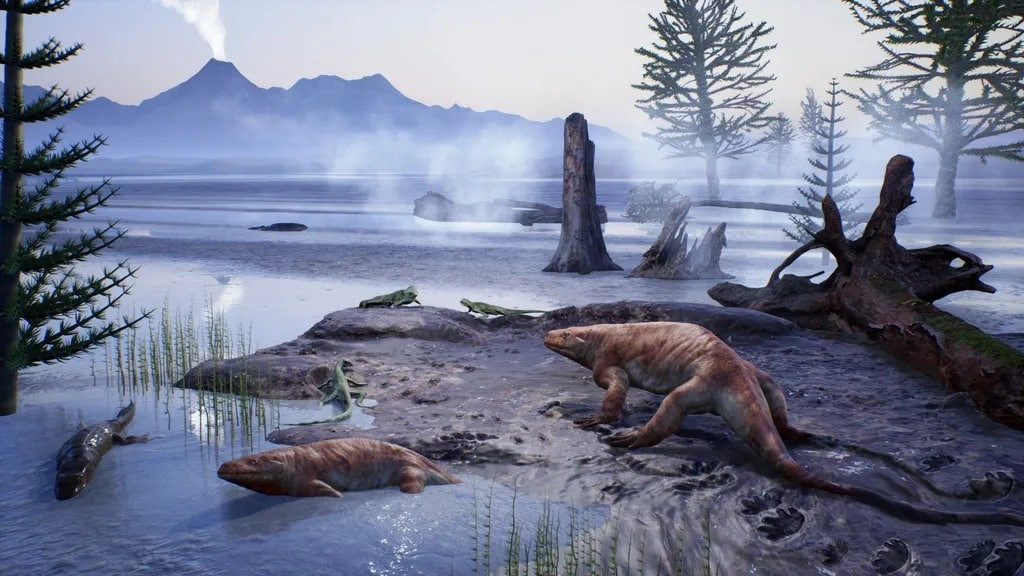
These footprints are thought to belong to at least five distinct species. Despite dinosaurs not yet existing during this time, some creatures were still impressively large.
Regional heritage officials, including Stefano Rossi, envision the site becoming a vital training and research location where students and scientists can directly study fossils emerging from the alpine terrain.
- Categories:
- News



0 comments
Sign in to Comment