
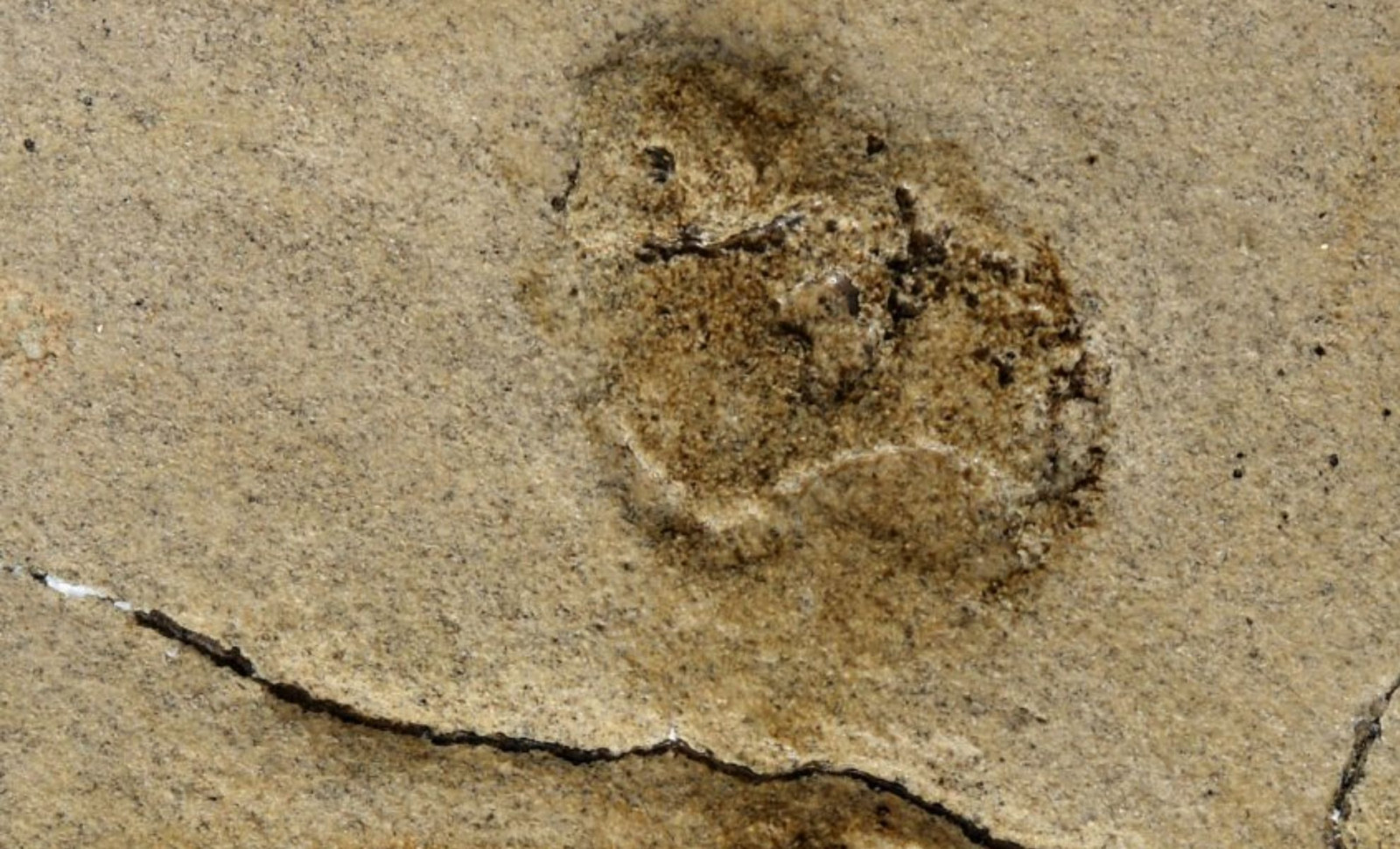
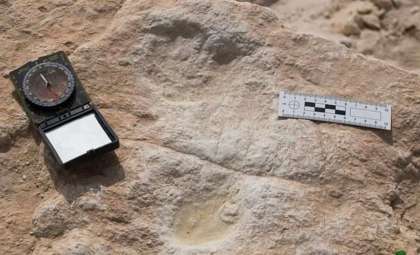
Scientists have uncovered fossilized footprints on Crete, Greece, estimated to be approximately 6.05 million years old. These prints provide the earliest known tangible proof of a human-like foot adapted for upright walking.
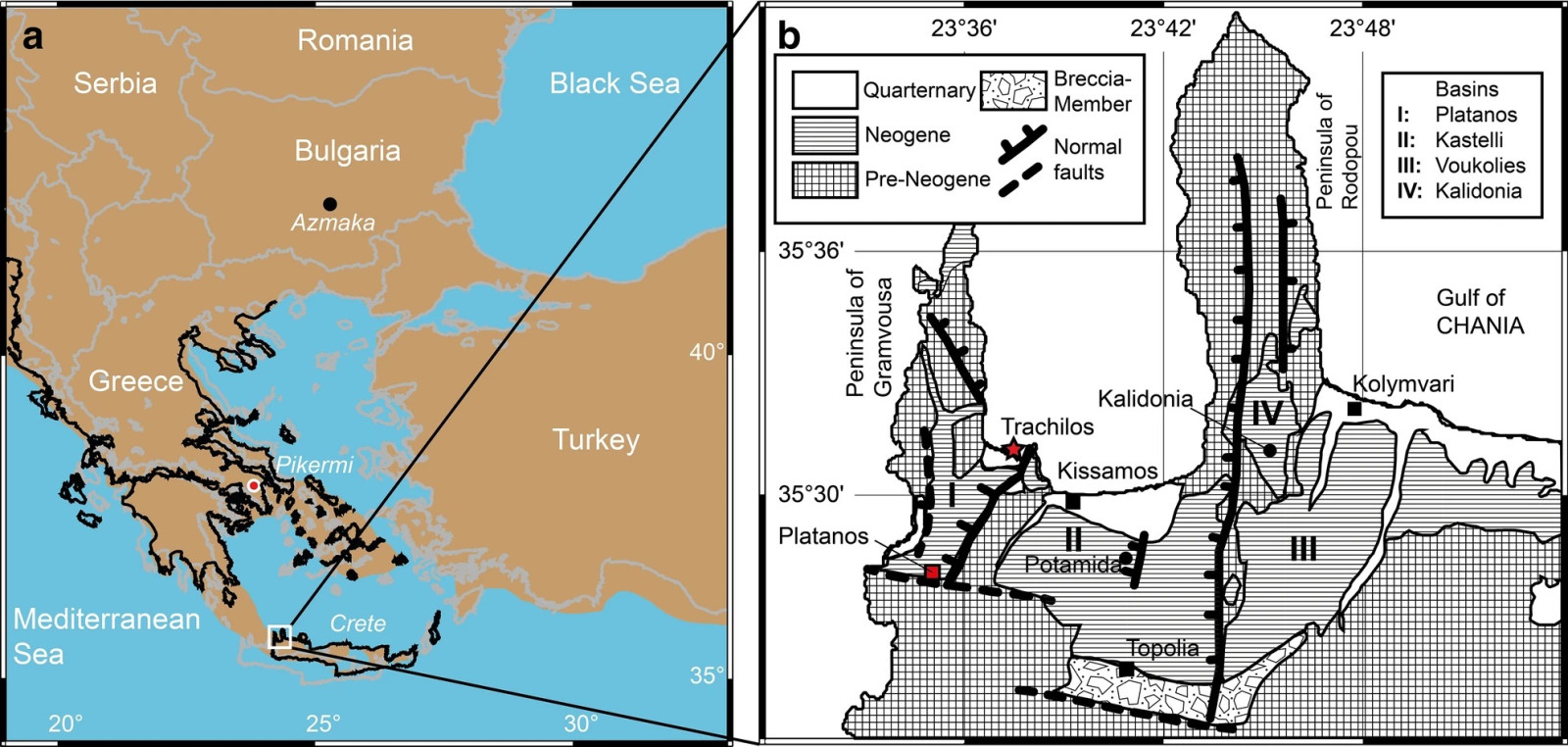
Located near the Trachilos village in western Crete, these footprints were initially reported in 2017. An international research team, spearheaded by the University of Tübingen, utilized advanced geophysical and micropaleontological methods to determine the precise age of the site.
Footprints hold exceptional significance for researchers exploring human origins because, unlike fragmented bones, they directly reflect movement. This discovery captures a snapshot from a time exceeding six million years ago, a period with scarce fossil evidence relating to early human ancestors.

Older Than the Iconic Laetoli Tracks
The Trachilos footprints have now been dated to nearly 6.05 million years ago, according to a study published in Scientific Reports. This finding establishes them as the earliest known evidence of a human-like foot.
Uwe Kirscher, the study's lead author, highlighted that these prints predate the well-known Laetoli footprints in Tanzania—linked to Australopithecus afarensis, and famously associated with Lucy—by almost 2.5 million years.
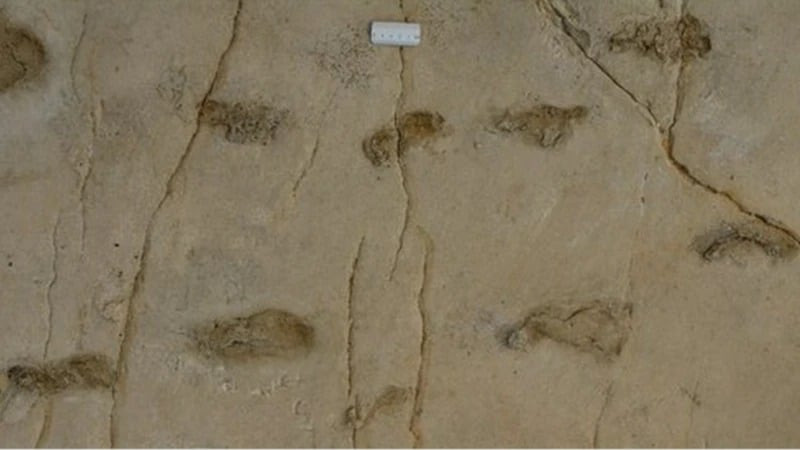
The timeline of these footprints also coincides with Orrorin tugenensis, an early hominid species from Kenya living between 6.1 and 5.8 million years ago. Fossilized femurs of Orrorin suggest bipedalism, yet no related foot bones or prints have ever been found.
This makes the Trachilos footprints exceptional, as they offer direct anatomical evidence of foot structure at a dawn stage in human evolutionary history.
Insights from the Ancient Footprints
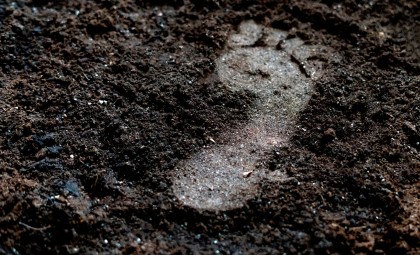
The shapes preserved in the footprints reveal traits consistent with walking on two legs. Per Ahlberg, a Uppsala University professor and co-author, described features that include a pronounced ball of the foot, a robust big toe aligned with the others, and side toes that gradually reduce in length.
“The oldest human foot used for upright walking had a ball, with a strong parallel big toe, and successively shorter side toes,” Ahlberg explained.
Comparisons to later hominids reveal differences too: the foot had a shorter sole than that of Australopithecus, a less pronounced arch, and a slimmer heel.
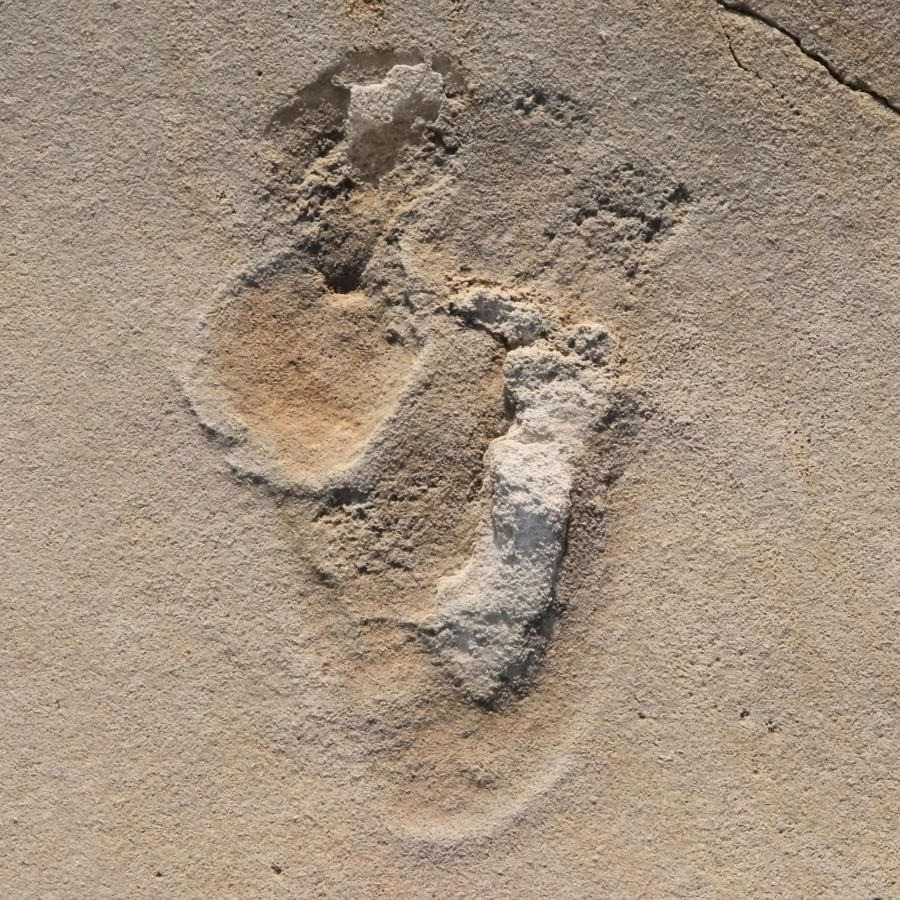
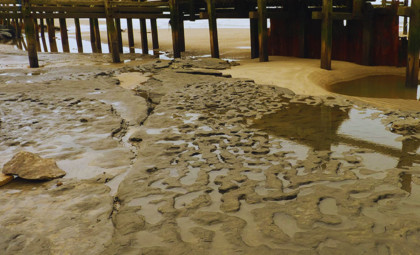
These footprints were preserved in ancient beach sediments that fossilized over time. Unlike skeletal remains, they offer direct evidence of how the foot made contact with the ground, shedding new light on foot anatomy and locomotion.
Environmental Context Revealed by the Findings
The research also sheds light on the paleoenvironment where these tracks were imprinted. Six million years ago, Crete maintained a land connection to mainland Greece through the Peloponnese, facilitating migration of terrestrial animals. Madelaine Böhme, a co-researcher on the paper, stated:
“We cannot rule out a connection between the producer of the tracks and the possible pre-human Graecopithecus freybergi.”
Fossils of Graecopithecus date back about 7.2 million years and were uncovered roughly 250 kilometers from the Trachilos site. The team’s geochemical studies detected North African dust reaching Crete during that era. Dating mineral particles recovered from the sediments yielded ages between 500 and 900 million years, matching typical North African desert dust carried by prevailing winds.
This work complements past research by Böhme and colleagues supporting the “desert swing” hypothesis: periods of desert expansion in Mesopotamia and the Sahara influenced animal migrations between Africa and Eurasia. These environmental fluctuations likely shaped the distribution of early human ancestors.
- Categories:
- News









0 comments
Sign in to Comment