
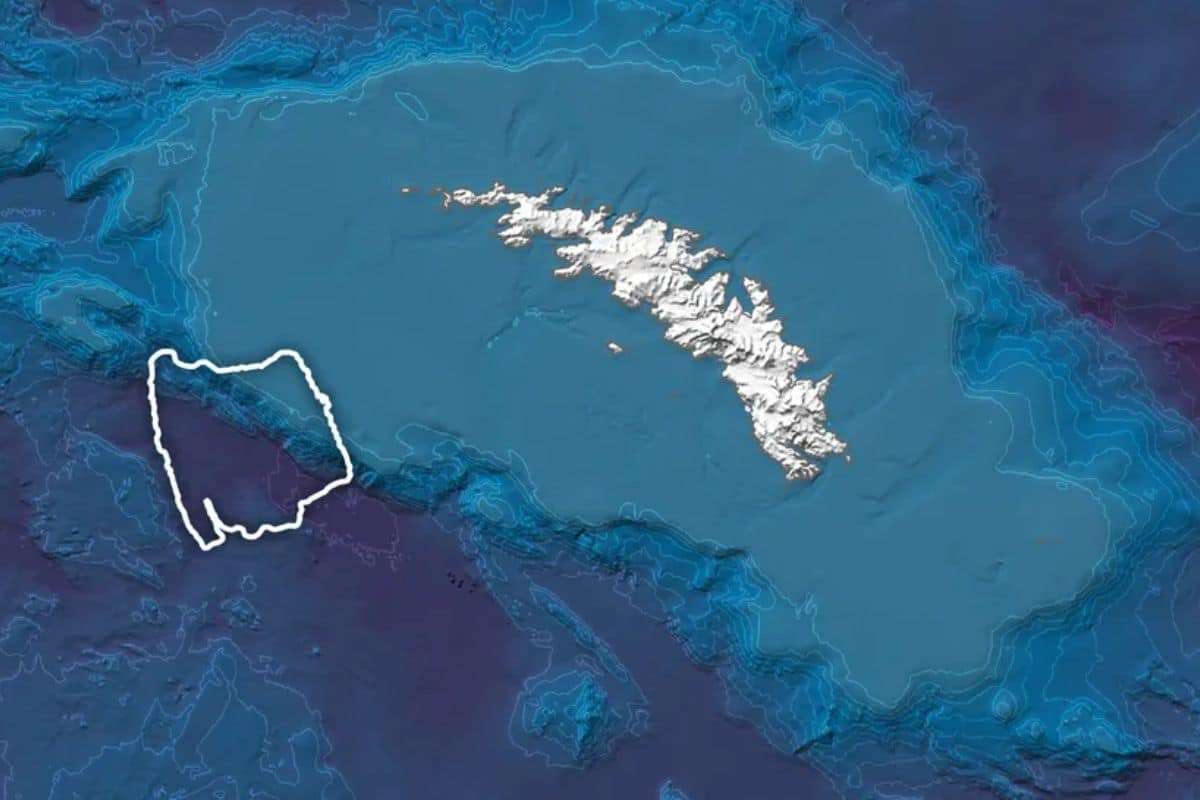
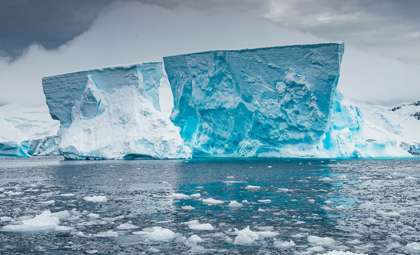
The enormous Antarctic iceberg known as A-23A has finally stopped its drift, becoming grounded near South Georgia Island in the South Atlantic Ocean after years at sea.
Spanning an impressive 1,240 square miles (3,460 square kilometers), this gigantic ice mass has journeyed slowly through the cold Scotia Sea along the well-trafficked route referred to as “iceberg alley.”
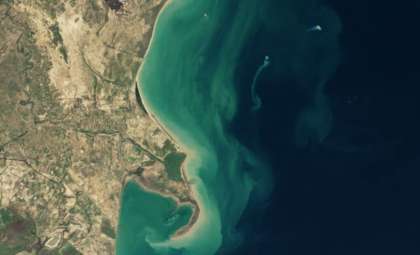
Recent satellite images from early March reveal that A-23A is now stuck on a submerged shelf, sparking curiosity about its future behavior.

A Cold Expedition Spanning Decades
Although its recent movements have drawn attention, A-23A has been floating in the ocean for many years. The iceberg calved from Antarctica’s Filchner-Ronne Ice Shelf in 1986, but remained anchored to the seabed in the Southern Weddell Sea for decades. It began to shift only in the early 2020s, setting off on a northbound voyage.
Carried over 1,200 miles (2,000 km) by strong ocean currents, A-23A’s journey has been monitored via satellites, impressing scientists with its gradual migration into warmer waters. Its recent arrival near South Georgia Island signals a pivotal moment in its voyage.
Ecological Consequences for South Georgia Island
The secluded island, a British overseas territory, hosts abundant wildlife such as large colonies of penguins, seals, and various seabirds. Though uninhabited by humans, the iceberg’s presence could disrupt this fragile marine environment.
As A-23A gradually melts, it will release substantial amounts of freshwater, potentially altering local ocean circulation and nutrient dynamics crucial for sustaining marine organisms. Researchers will carefully observe impacts on everything from phytoplankton blooms to the dietary resources of South Georgia’s wildlife.
Should A-23A remain lodged, it might become a semi-permanent feature, slowly melting over time. Alternatively, strong currents could free it, allowing the iceberg to continue drifting, possibly circling the island as other icebergs have in the past.
🌍 Iceberg A23a Runs Aground Near South Georgia
World’s largest iceberg (3,360 sq. km, ~1 trillion tons)
📍 Broke off #Antarctica in 1986, drifted north in 2020, now stuck near South #Georgia
-Wildlife impact uncertain, but initial fears for #Penguins & seals have eased pic.twitter.com/0YsTVMc12k
— GlobeUpdate (@Globupdate) March 6, 2025
Insights from Iceberg A-68A’s Demise
The destiny of A-23A is still unfolding, but past examples give clues. In 2020, another massive Antarctic iceberg, A-68A, captured attention as it neared South Georgia. Initially larger than A-23A at 2,200 square miles (5,698 square km), it became temporarily grounded before fragmenting rapidly.
Within three months, A-68A broke into smaller pieces, releasing a staggering 152 billion metric tons of freshwater into the surrounding ocean.
A-23A could experience a similar fate as warmer water temperatures and dynamic currents wear it down. Fragments already breaking from its edges indicate that disintegration may be underway.
Assessing Possible Risks from A-23A
Although large icebergs often fuel dramatic predictions, A-23A is not expected to threaten human activities directly. It has stayed within remote ocean regions rather than drifting into major shipping routes. Yet its presence may deeply affect South Atlantic marine ecosystems.
Scientists such as NASA oceanographer Josh Willis are attentively monitoring whether the iceberg will remain stuck or be moved by ocean currents. Willis remarked, “The key question now is if the strong current keeps it stationary as it melts and breaks up or if it will circulate around the island like past icebergs.”
- Categories:
- Science








0 comments
Sign in to Comment