
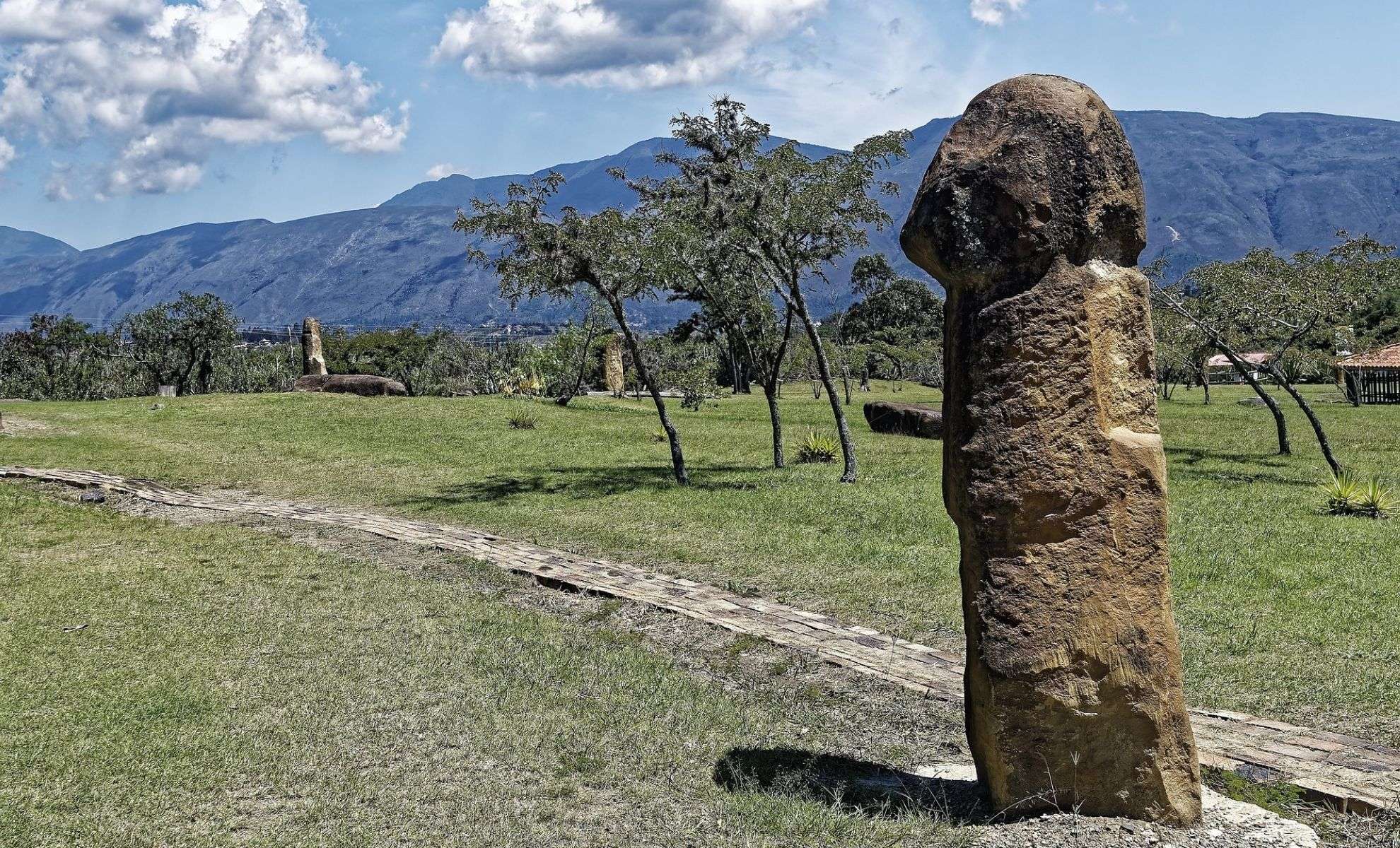
High in the Altiplano cundiboyacense near Bogotá, researchers have uncovered a long-lost chapter of South America’s prehistoric story. This region was once a genetic blank spot in the continent’s ancient human history. New research has now revealed that a unique group of hunter-gatherers inhabited these high plains for millennia before mysteriously disappearing without leaving any genetic legacy behind.
Genome Analysis Reveals Colombia’s Early Population History
An international team from the University of Tübingen, Senckenberg Centre for Human Evolution and Paleoenvironment in Germany, and Colombia’s National University decoded 21 ancient genomes from skeletal remains found at five archaeological locations across Colombia. Their findings, published on May 28, 2025, in Science Advances, present the first genetic insights into Colombia’s earliest human inhabitants, shedding light on a previously hidden past.
The genetic data, spanning almost 6,000 years, covers a timeframe from the earliest human arrivals in South America up to just before European contact. The oldest genomes came from Checua, a high-altitude site located roughly 3,000 meters above sea level north of Bogotá. Analysis of these ancient hunter-gatherers unveiled a previously unidentified genetic lineage originating from South America’s initial settlement waves.

Complete Genetic Turnover in the Region
The most surprising discovery was the total loss of this early lineage in the area. By approximately 2000 BCE, genetic signatures from these original hunter-gatherers—linked to the Herrera and Muisca cultural periods—had vanished. Instead, the DNA profiles matched populations from Panama and Venezuela, indicating a full genetic replacement had occurred.
Lead author Kim-Louise Krettek noted that “no descendants of the first hunter-gatherers were found in Colombia’s highlands; their genetic markers did not persist.” This transformation aligned with the introduction of pottery, maize cultivation, and novel social customs brought by migrating groups from northern regions. These newcomers, carrying different traditions and technologies, fully supplanted the area's original inhabitants.
The genetic shift corresponds with arrivals from Central America, who introduced new cultural practices along with their distinct genetics. As Krettek stressed, this marks “a total population replacement around Bogotá.”
Genetic Ties Point to Chibchan Ancestry
The study also examined genetic links between these ancient groups and present-day populations. Despite the upheaval, Colombia’s modern indigenous groups show the closest genetic relationship not with the northern migrants but with speakers of Chibchan languages in Panama and Costa Rica.
This suggests a complex history of genetic influences over time. The Chibchan genetic footprint, less evident in contemporary Colombians, may have diminished due to later migrations that reshaped the region’s genetic landscape. Researchers caution that genetics and cultural identity are not synonymous, with co-author Cosimo Posth highlighting the nuanced connection between heritage and culture.
In partnership with the Muisca community—whose language belonged to the Chibchan family and became extinct in the 18th century—this research offers a dynamic and intricate view of Colombia’s history. It emphasizes how migration and cultural shifts profoundly influenced the genetic fabric of South America.
- Categories:
- Science







0 comments
Sign in to Comment