
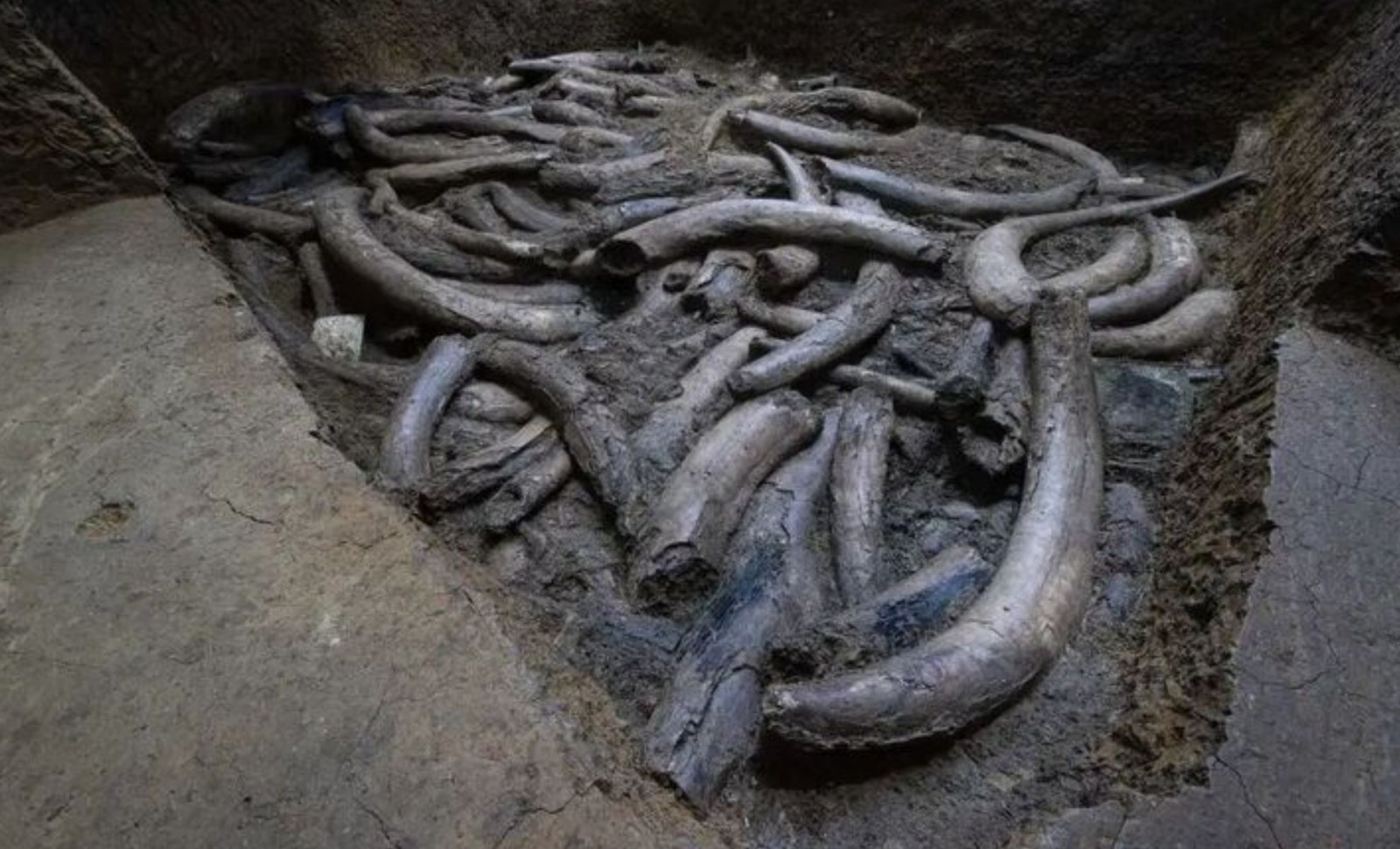
A rare iron item found at China’s renowned Sanxingdui archaeological location has been identified as being forged from meteoritic iron, according to recent research. Experts now recognize this find, excavated inside a pit, as the largest Bronze Age meteoritic iron artifact discovered in China to date.
The study, published in Archaeological Research in Asia and led by Dr. Haichao Li, centers on an axe-shaped object recovered from Pit No. 7 at Sanxingdui. Besides its unusual material, the artifact has attracted attention as it may represent a metalworking tradition different from those found in northern China during the Bronze Age.
Sanxingdui, situated in Guanghan, Sichuan Province, dates back roughly to 2800–600 BCE and is associated with the Shang Dynasty era. The site is famous for its unique bronze masks, trees, and ceremonial sculptures not seen elsewhere in ancient Chinese culture.

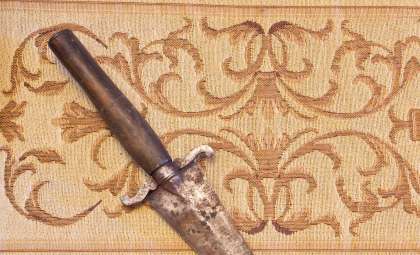
The piece crafted from meteoritic iron was found among other ritual items within one of the pits. It resembles an axe-like implement or weapon with a length slightly exceeding 20 centimeters. Currently, the fragile object exists in three separate fragments.
Meteorite Origin Confirmed Through Metal Analysis
To verify the artifact’s composition, the research team utilized metallographic techniques paired with SEM-EDS analysis, a method that examines metals on a microscopic level.
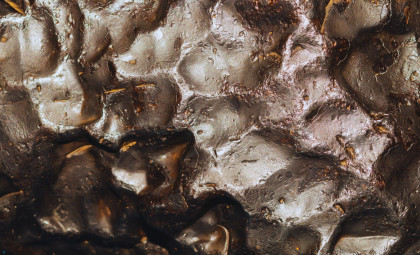
The publication reveals the object consists of a highly uniform nickel-iron alloy, showing minimal signs of extensive cold-working after fabrication. Such chemically consistent metal was unlikely produced with Late Shang Dynasty smelting technologies known to date.
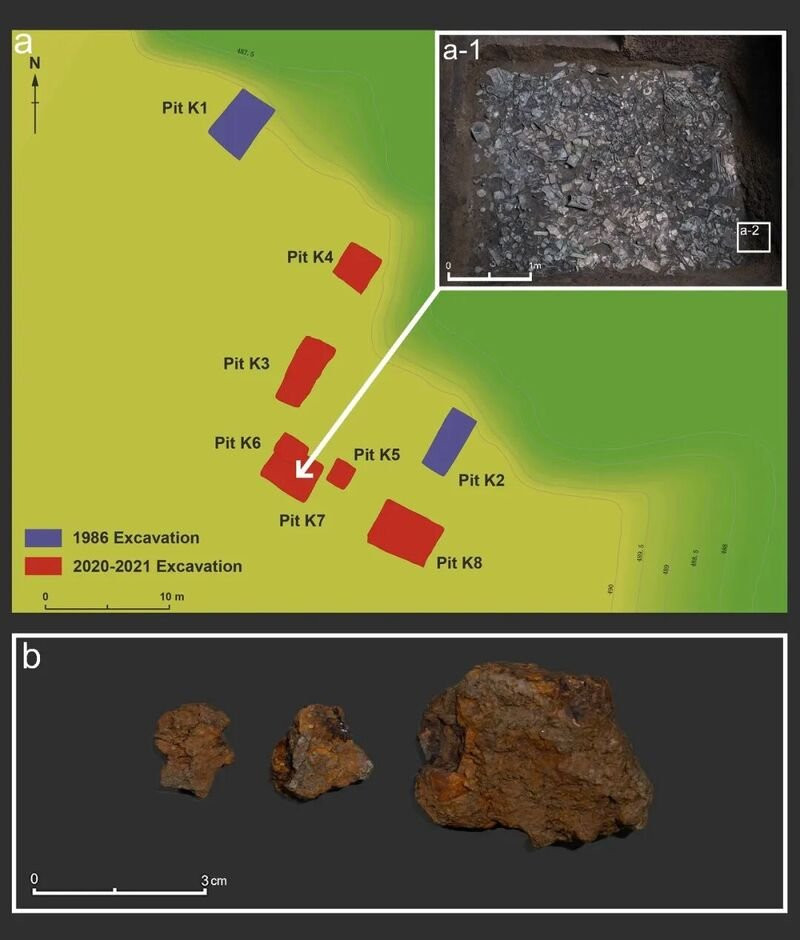
This evidence led researchers to conclude the iron originated from a meteorite. Co-author Dr. Zishu Yang remarked that current methods have not yet pinpointed the precise type of meteorite used to create the artifact.
“While the SEM-EDS results provide preliminary insights, they are insufficient to definitively classify the specific type of meteorite,” Yang said in comments included in the study.
The team aims to apply more advanced analytical tools in future studies to better identify the meteorite source and compare it with known meteorite falls in the surrounding region.
Scarcity of Meteoritic Iron Artifacts in China
Meteoritic iron objects are exceedingly uncommon in China. So far, only 13 verified specimens have been reported. Most originate from northern provinces like Henan, Hebei, and Beijing, with a few found in Hubei and Sichuan. The earliest known piece is a knife from the Narensu cemetery in Xinjiang, dated to approximately 3000 BCE.
Researchers highlighted that the Xinjiang knife and the Sanxingdui axe are currently the only two artifacts in China made entirely from meteoritic iron. Other known examples from the Central Plains incorporate meteoritic iron as inserts combined with bronze in various tools or weapons, often connected to elite burial contexts.
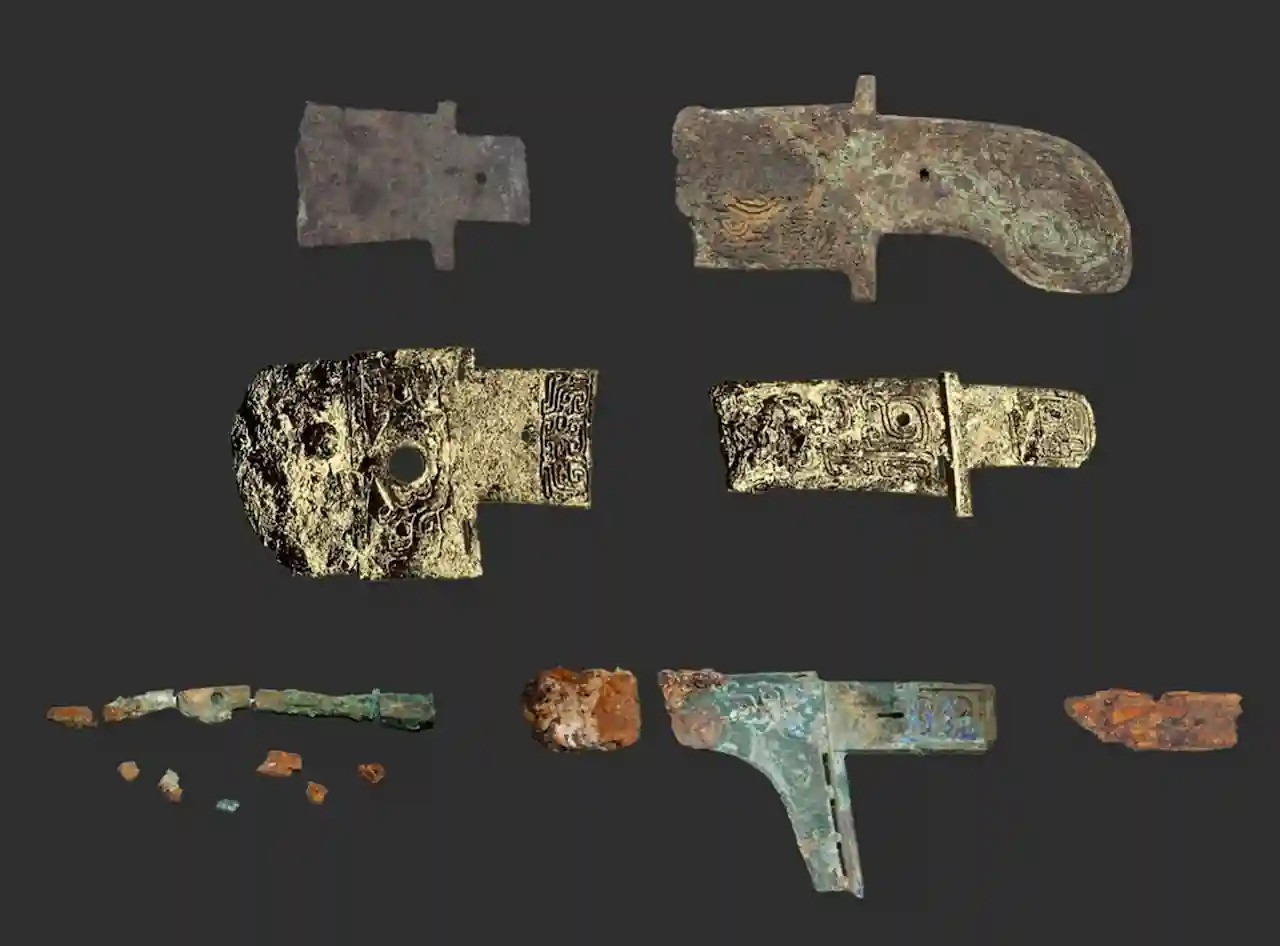
According to the study’s authors, this variation implies metallurgical traditions in southwestern China might have developed independently from those in the Central Plains region during the Bronze Age.
Potential Symbolic Purpose of the Artifact
Although resembling a weapon or utilitarian tool, archaeologists believe the artifact may have held a primarily symbolic or ritualistic meaning. This inference is supported by its discovery in a sacrificial zone at Sanxingdui, where most items appear associated with ceremonial practices rather than everyday use.
Dr. Yang emphasized that scarce metals in ancient China were likely objects of both practical use and spiritual importance, given the rarity of metal objects at that time. He noted:
“In the broader context of ancient China, we believe cultural and practical considerations likely coexisted. Early metal was scarce and imbued with sacred significance; after large-scale production, its use became increasingly pragmatic. Due to the extreme rarity of meteoritic iron artifacts, it remains difficult to determine which factor predominated nationwide.”
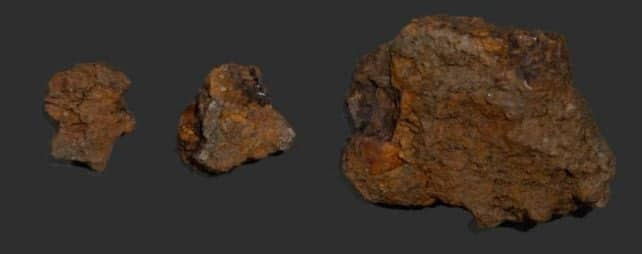
The researchers suggest that the piece likely had ceremonial importance more than practical function. Further Sanxingdui excavations may uncover deeper insights into the role it played within the ritual landscape.
- Categories:
- News






0 comments
Sign in to Comment