
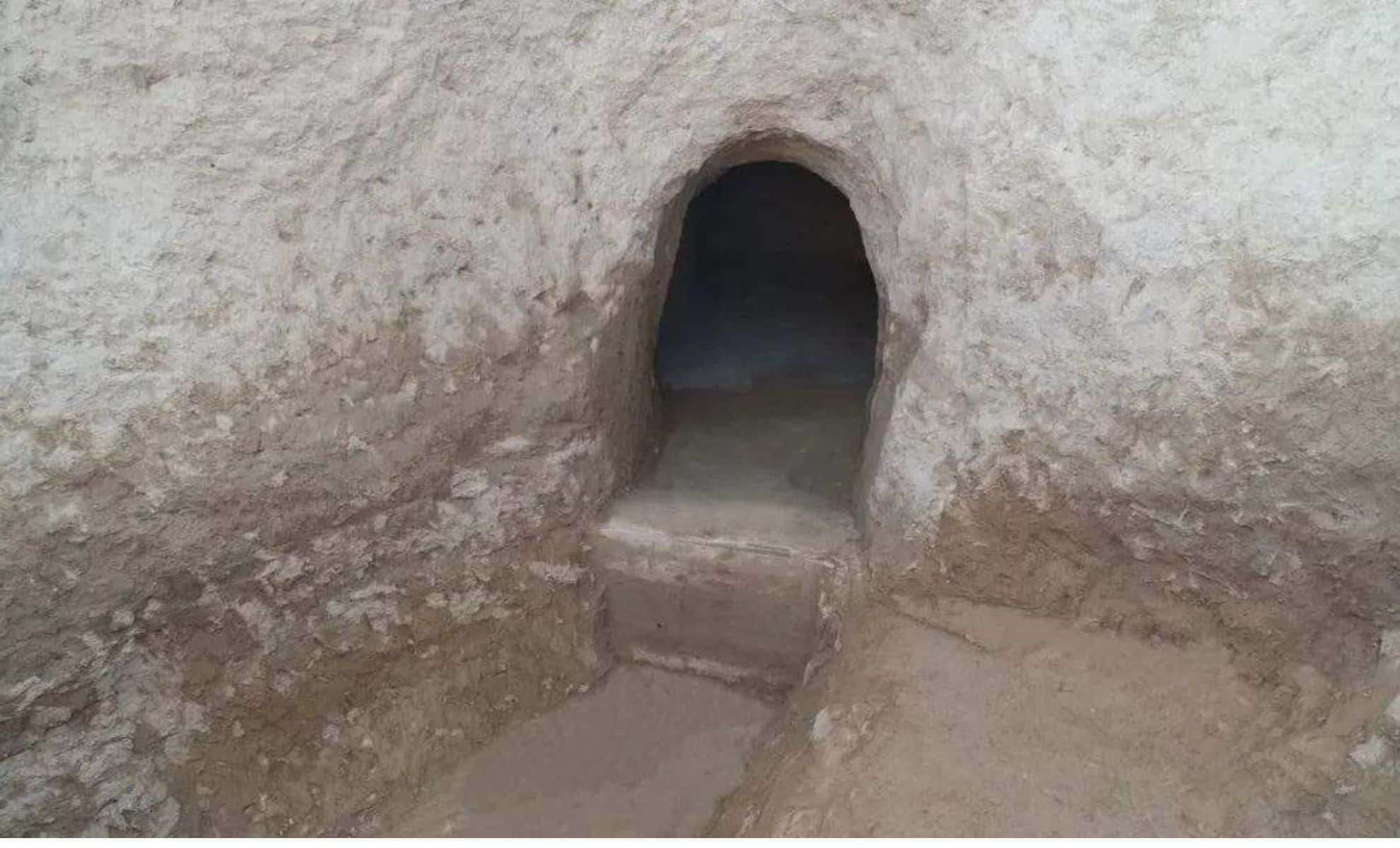
Researchers have revealed a complex system of concealed tunnels lying beneath the ancient settlement of Houchengzui in northern China, dating back over 4,000 years. Originally established as a fortified city, Houchengzui’s hidden underground passages provide new insights into early urban defense and city planning in ancient China.
A Fortress City From the Neolithic Era
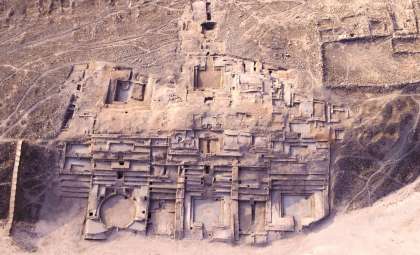
Houchengzui, situated in Inner Mongolia, emerged during the Longshan Culture period, approximately between 4,300 and 4,500 years ago. This era is notable for the development of sophisticated Neolithic communities in China. Extending over an expansive 15 million square feet, the site was first identified in 2005, but extensive digging only commenced in 2019.
Archaeologists have documented that the city was heavily fortified with three layers of defensive walls, towers, guarded entryways, and deep moats, indicating a design focused on both protection and habitation against potential enemies.

Revealing Six Connecting Underground Passages
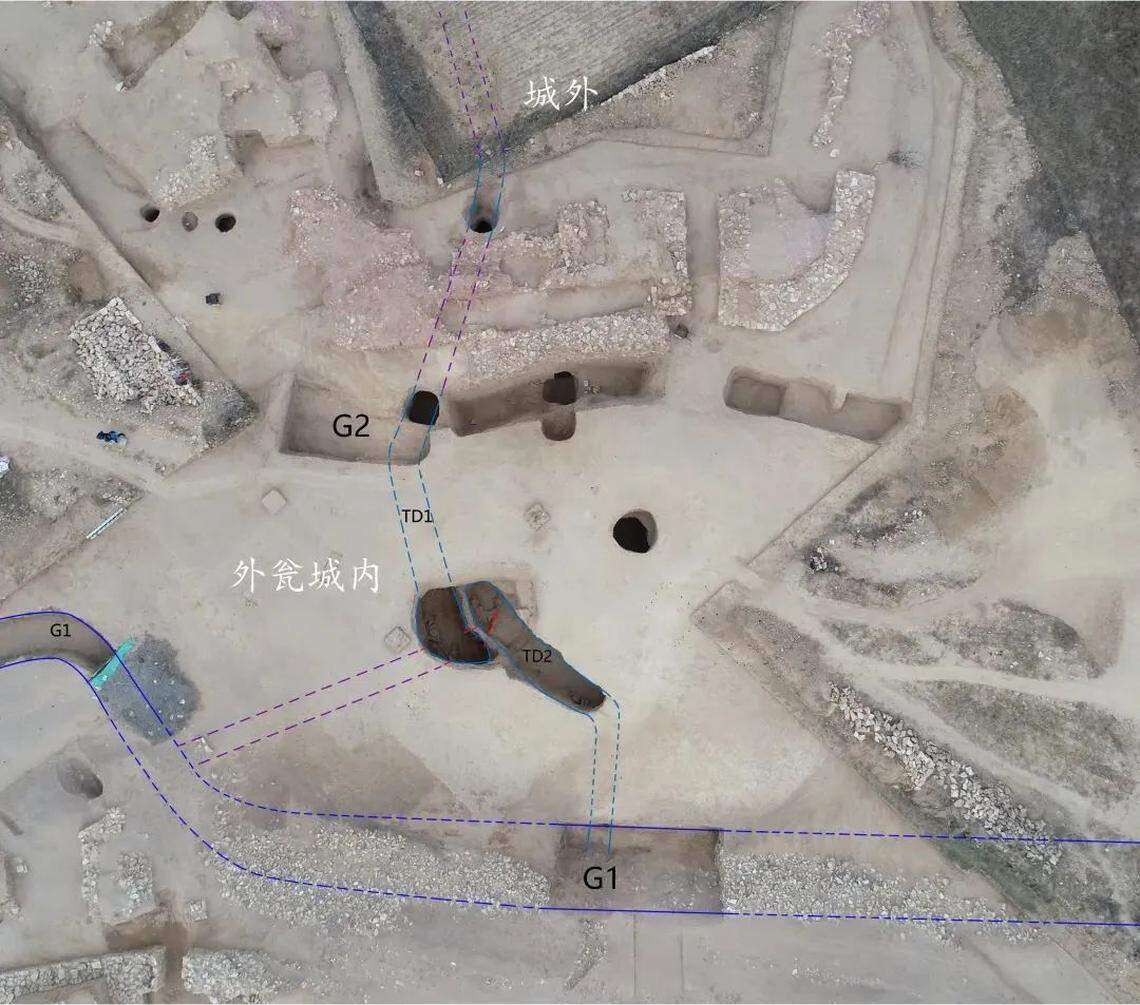
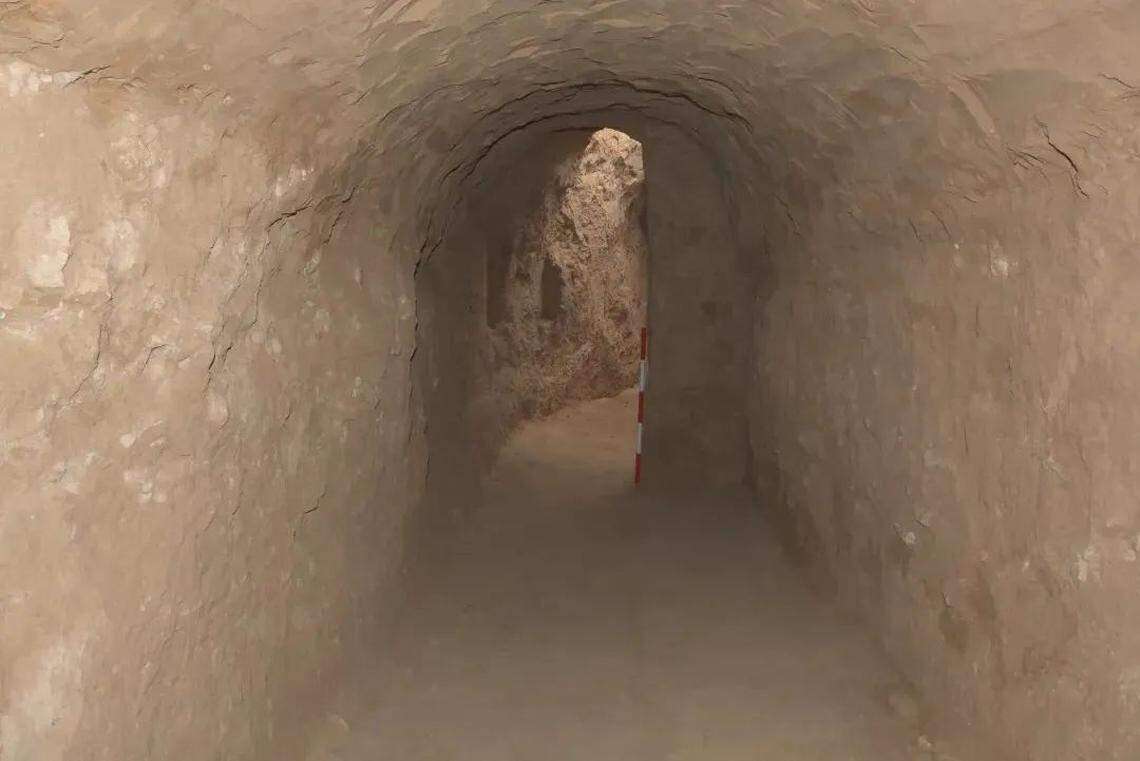
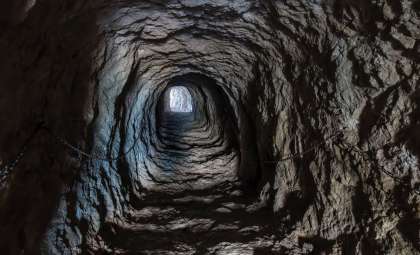
The latest digs uncovered six tunnels intersecting beneath Houchengzui, believed to have served as secret corridors facilitating movement and emergency escape. These tunnels lie approximately 5 to 20 feet below ground, with heights ranging from 3 to 6 feet. Some extend beyond the city walls, traveling under its fortifications to areas outside the main enclosure.
Images shared by the Chinese Academy of Social Sciences include partial layout maps, tunnel entrances, and the well-maintained vaulted interiors. This remarkable find points to a multifunctional system allowing hidden transit inside the city and a discreet exit during threats.
Insights Into Ancient Construction Techniques
Sun Jinsong, head of the Cultural Relics and Archaeology Academy in Inner Mongolia, explains that current studies focus on the citys defensive features, including moats and barbicans. The newly discovered tunnels appear to enhance these fortifications, presenting a clever architectural method to facilitate safety and movement within a war-ready urban center.
Experts propose these subterranean passageways reveal how early Chinese urban planners ingeniously combined defense with accessibility. As one researcher remarked, "It would have been an excellent escape route if enemy forces attempted an assault," highlighting the practical ingenuity behind this ancient infrastructure.
Advancing Our Understanding of Houchengzui
As excavation efforts proceed, this discovery emphasizes the complexity of Longshan period urban design. The subterranean tunnels not only reaffirm the city's archaeological importance but also provide valuable evidence of the advanced defense strategies ancient builders employed to safeguard their populations.
- Categories:
- News




0 comments
Sign in to Comment