
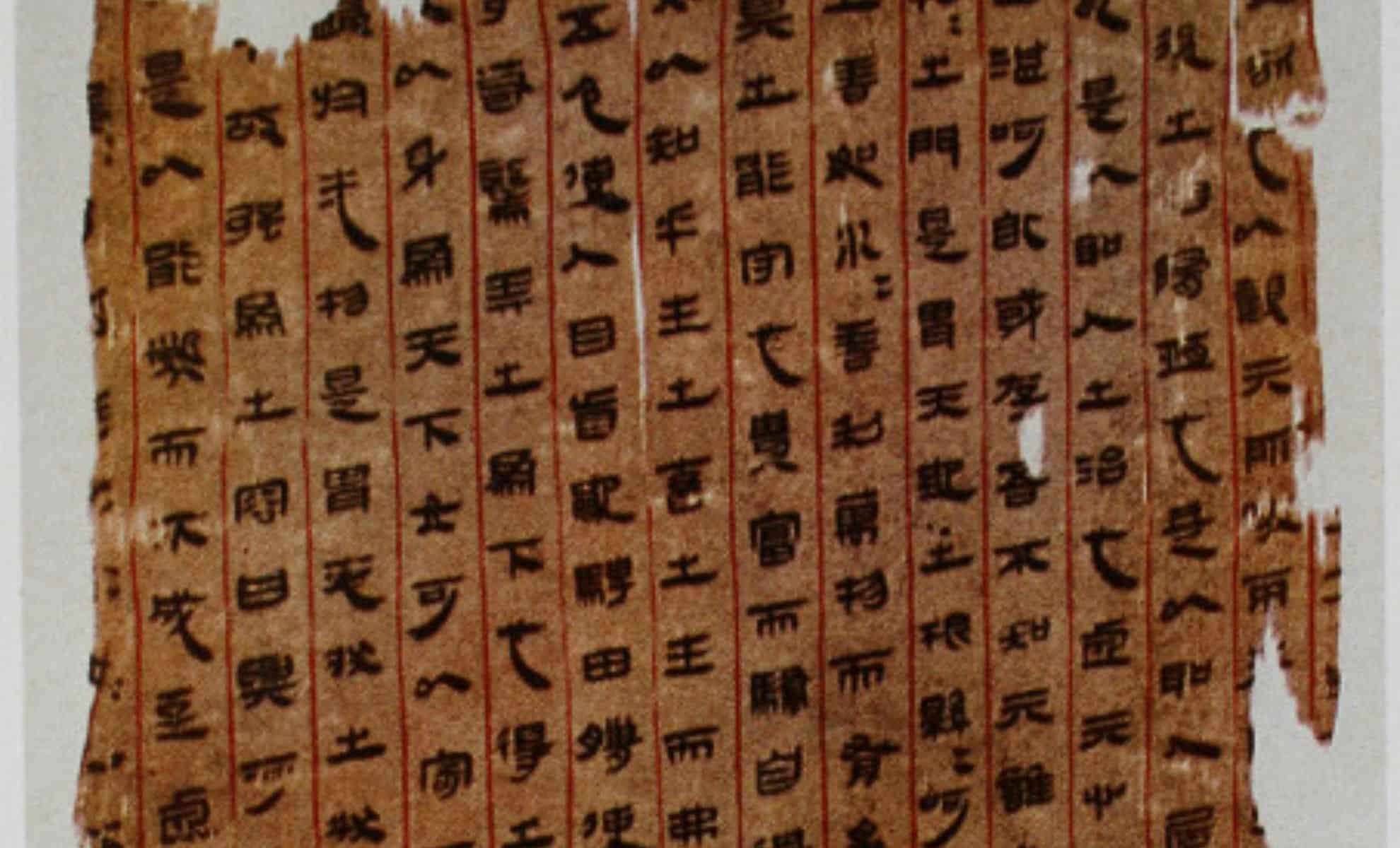
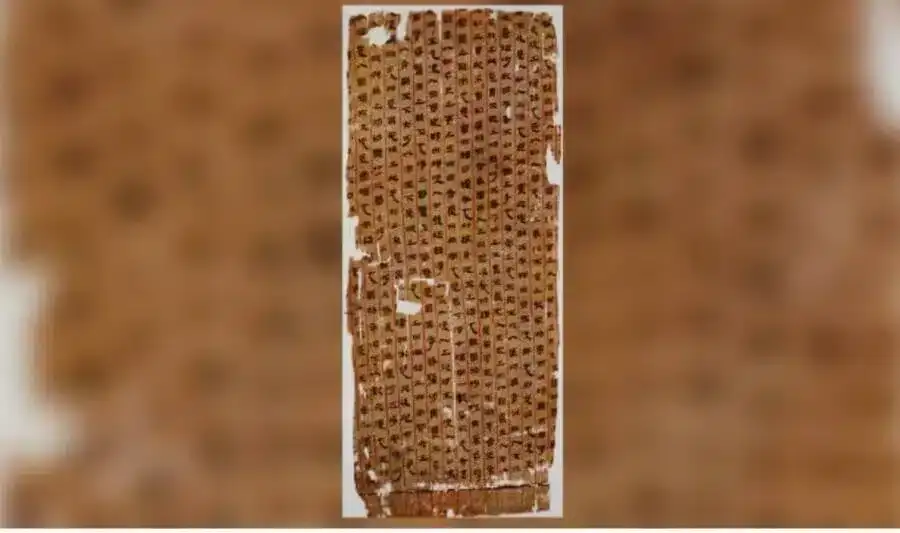
A remarkable find has surfaced from a 2,200-year-old tomb in southern China: a Chinese silk text that might represent the oldest known anatomical map of the human body. This document, part of the Mawangdui medical manuscripts, sheds light on medical knowledge during the Han Dynasty (206 BC to 220 AD) and offers invaluable insights into early anatomical understanding.
Exploring Early Anatomical Knowledge Through Ancient Texts
The Mawangdui texts contain some of the earliest recorded details about human anatomy, describing various “meridians”—pathways throughout the body that align with key blood vessels. Vivien Shaw, an anatomy lecturer at Bangor University’s School of Medical Sciences, emphasizes the need to interpret these writings beyond a Western medical framework.
According to the research, understanding these manuscripts requires expertise in ancient Chinese language alongside anatomical study to accurately identify the body structures detailed in the text.

These meridians form the foundation of acupuncture, an ancient Chinese technique aimed at balancing the body’s energy and enhancing health by manipulating these channels. Modern interpretations link these descriptions to major blood vessels like the ulnar artery and saphenous vein.
For example, one passage depicts a meridian beginning at the big toe and traveling along the leg’s inner surface, passing the ankle, knee, and thigh, mirroring the route of the saphenous vein. Another section traces a path from the palm up through the forearm to the bicep, corresponding closely to the ulnar artery, crucial to human circulation.
Innovations in Ancient Chinese Medical Science
Before this discovery, acupuncture was often viewed skeptically as lacking empirical basis. However, these texts provide evidence that early Chinese physicians made detailed anatomical observations.
The manuscripts also hint at the origins of their anatomical knowledge, though it remains uncertain whose bodies were studied. Some experts theorize that dissections of criminals may have contributed, since ancient cultural beliefs revered the integrity of the dead, especially among elites, while allowing medical examinations on lower-status individuals.
Reevaluating the History of Anatomy
The Mawangdui manuscripts debunk prior beliefs that the earliest medical charts originated from ancient Greece. Greek physicians like Herophilus and Erasistratus were long considered pioneers, though their works have not survived. This Chinese text, predating Greek anatomical records by centuries, provides tangible proof of advanced early medical understanding.
Additionally, this finding challenges the dominance of Eurocentric narratives in medical history by highlighting the critical contributions of ancient Chinese culture. The revelation from the manuscripts invites deeper investigation into how traditional Chinese medicine, including acupuncture, was rooted in scientific and anatomical knowledge.
- Categories:
- News











0 comments
Sign in to Comment