
A minuscule jawbone fragment uncovered in Anhui Province, southern China has enabled scientists to identify a brand-new wild cat species, recognized as the tiniest member of the Felidae family ever found in the fossil record. This discovery stems from Hualongdong Cave, a location renowned for its ancient human fossils, broadening knowledge of small cat diversity in prehistoric Asia.
Named Prionailurus kurteni and detailed in the journal Annales Zoologici Fennici, this species lived around 300,000 years ago during the late Middle Pleistocene. Dating methods using uranium-series on fossil layers containing early humans place the specimen’s age between 275,000 and 331,000 years. The cat existed alongside prehistoric humans, giant pandas, tigers, leopards, clouded leopards, and brown bears, marking Hualongdong as one of East Asia’s richest carnivorous fossil sites from that era.
Discovery Based on a Single Lower Jaw Fragment
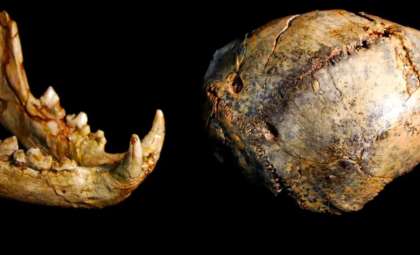
The only fossil recovered is a small lower jaw piece preserving two teeth: the fourth premolar and the first molar. Despite the jaw’s tiny size, experts at the Institute of Vertebrate Paleontology and Paleoanthropology of the Chinese Academy of Sciences, collaborating with the Swedish Museum of Natural History, determined this represents a previously undescribed species.

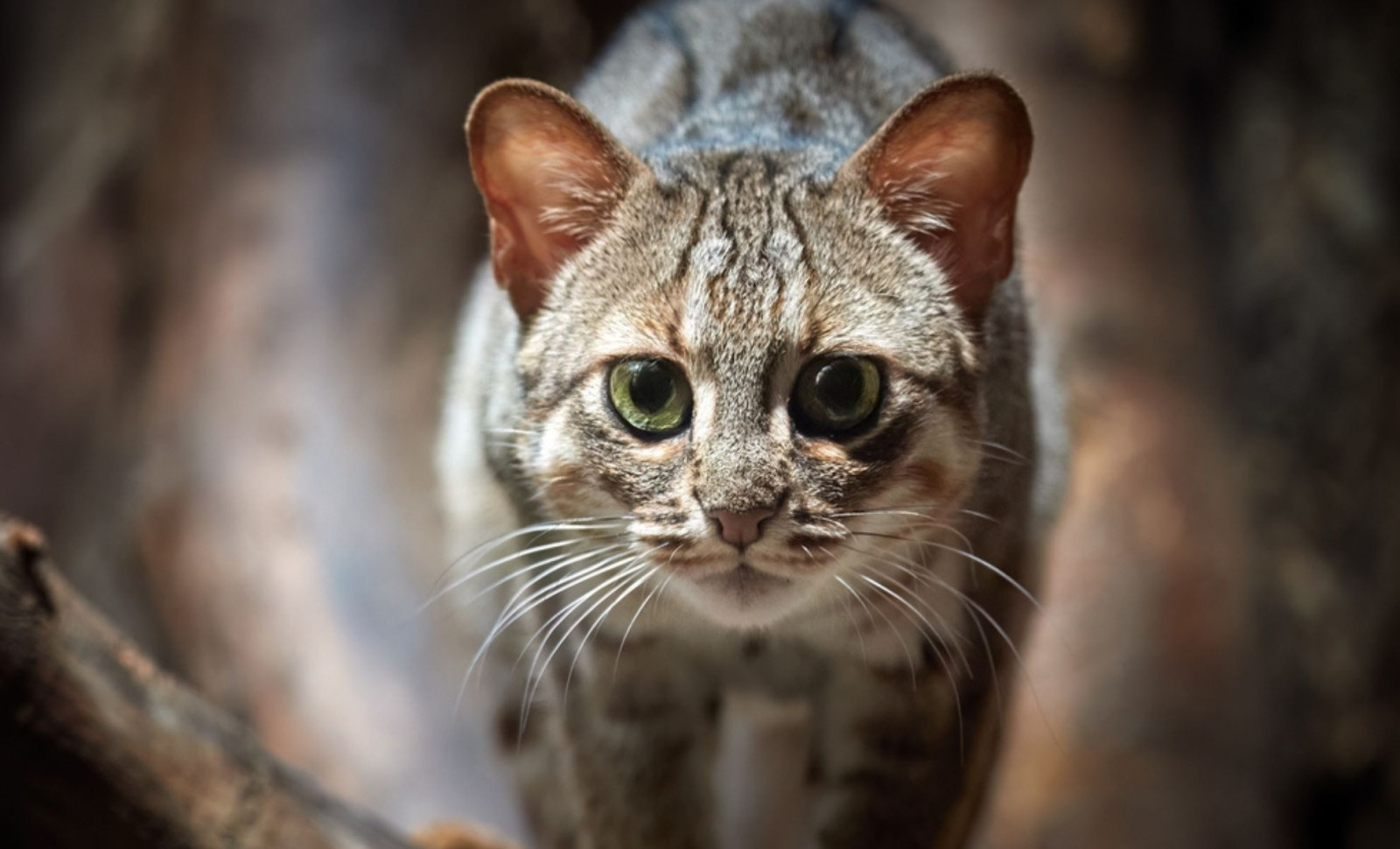
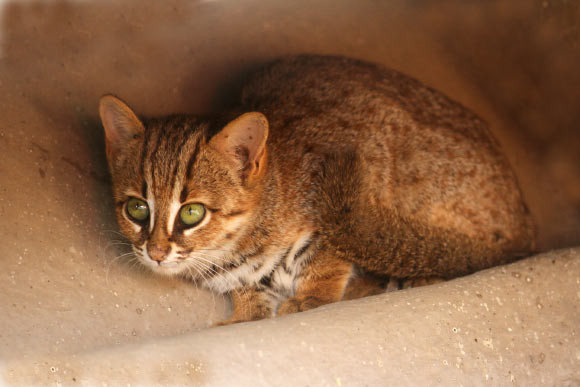
The first molar measures just 6.37 millimeters, placing P. kurteni in the size category of Earth’s smallest living cats — the rusty-spotted cat (Prionailurus rubiginosus) from South Asia and the black-footed cat (Felis nigripes) native to southern Africa.
However, the fossil differs from today's species through several unique anatomical features: notably weak accessory cusps on the premolar, an almost missing distal cingulid ridge, and an unusually deep jaw relative to its size. Additionally, the masseteric fossa, the jaw depression for the chewing muscle, is positioned farther back than in any living member of the genus.
Challenges in Finding Fossils of Small Cats
Researchers have long struggled to trace the evolution of small cats in southern China and Southeast Asia due to the rarity of their fossil evidence. Felini, the subfamily that includes leopard and golden cats, dominates forest habitats in Asia today, but its prehistoric record in these regions is scant, due to both geological factors and classification issues.
Tiny cat bones are fragile and seldom preserved in cave deposits, the principal source of fossils here. Moreover, isolated teeth can be hard to correctly identify because small felids share many dental characteristics. Historically, most small Asian cat fossils were lumped into the genus Felis without detailed analysis, complicating understanding of diversity.
The authors emphasize the need to carefully reassess existing fossil collections, suggesting some specimens previously classified as Felis microtis or Felis sinensis could belong to distinct species.
Implications for Understanding Ancient Cat Diversity
The living genus Prionailurus comprises four to five species found exclusively in Asia, with molecular data indicating their diversification began between two and five million years ago during the Late Pliocene to Early Pleistocene. Before now, no fossil species had been definitively assigned to this genus. The discovery of P. kurteni at Hualongdong around 300,000 years ago reveals that this group’s historical diversity exceeded what’s seen today.
The study also notes that this small cat was not the only felid at the site. Another larger jaw from the same cave initially identified as Felis microtis might actually be related to golden cats in the genus Catopuma, based on its morphology and size.
A comprehensive study on carnivores from Hualongdong published in 2025 documented six felid species cohabiting the area, ranging from an estimated one kilogram — roughly the size of P. kurteni — up to around 200 kilograms typical for tigers. The research is named in tribute to Björn Kurtén, a Finnish paleontologist whose work on Pleistocene carnivores inspired the lead author’s statistical analysis approach.
- Categories:
- Science





0 comments
Sign in to Comment