
Researchers have uncovered the fossilized remains of one of the tiniest relatives of early humans in South Africa’s renowned Cradle of Humankind, shedding light on existence nearly 2 million years ago.
This young adult female of the species Paranthropus robustus, identified through partial hip and leg bones, measured just 3 feet, 4.5 inches (1.03 meters) tall—smaller than the well-known Lucy and even the diminutive Indonesian hobbits.
Tracing Movement Through Hip and Leg Bones
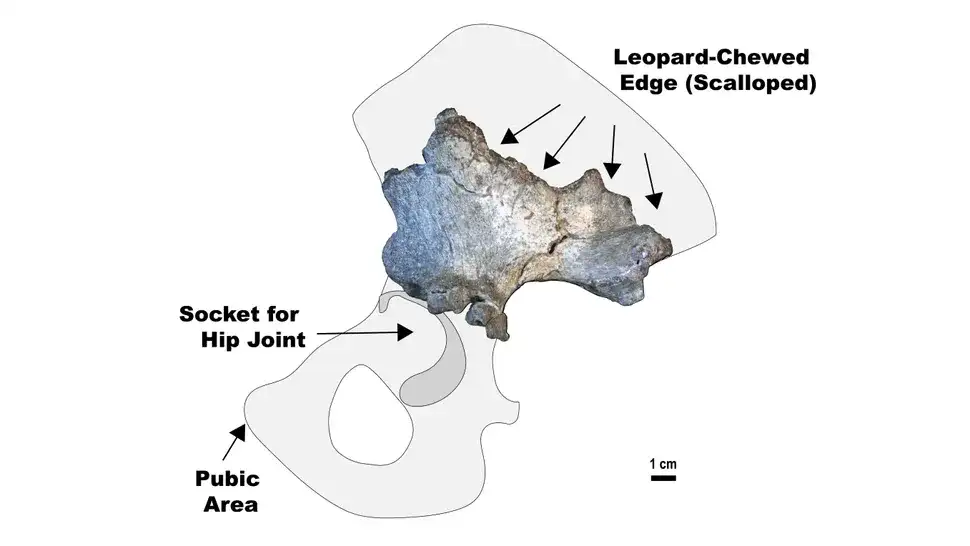
The specimen, featuring a hip, femur, and tibia, was excavated from the Swartkrans caves, a key paleoanthropological site within the Cradle of Humankind.
These rarely preserved bones date from approximately 1.7 to 2.3 million years ago. The individual, referred to as SWT1/HR-2, was likely a young adult female.
“These ancient hominins are reconstructed as shorter and more robust than modern human pygmy groups,” with males usually below 4 feet 11 inches (150 cm), explained Travis Pickering, a paleoanthropologist at the University of Wisconsin–Madison. “SWT1/HR-2 likely had a similarly compact build—short and sturdy.”

Adapted for Both Walking and Climbing
The study published in the Journal of Human Evolution highlights a pelvis suited for strong upright locomotion, while slimmer leg bones present an intriguing inconsistency.
“There is notable robustness in the pelvis and hip joint,” said Pickering. “However, the leg bones don’t show this same robustness, which is puzzling.”
This contrast hints that P. robustus mainly walked on two legs but retained some capacity for climbing, potentially as a way to avoid predators or gather food in trees.
Signs of a Predator's Attack
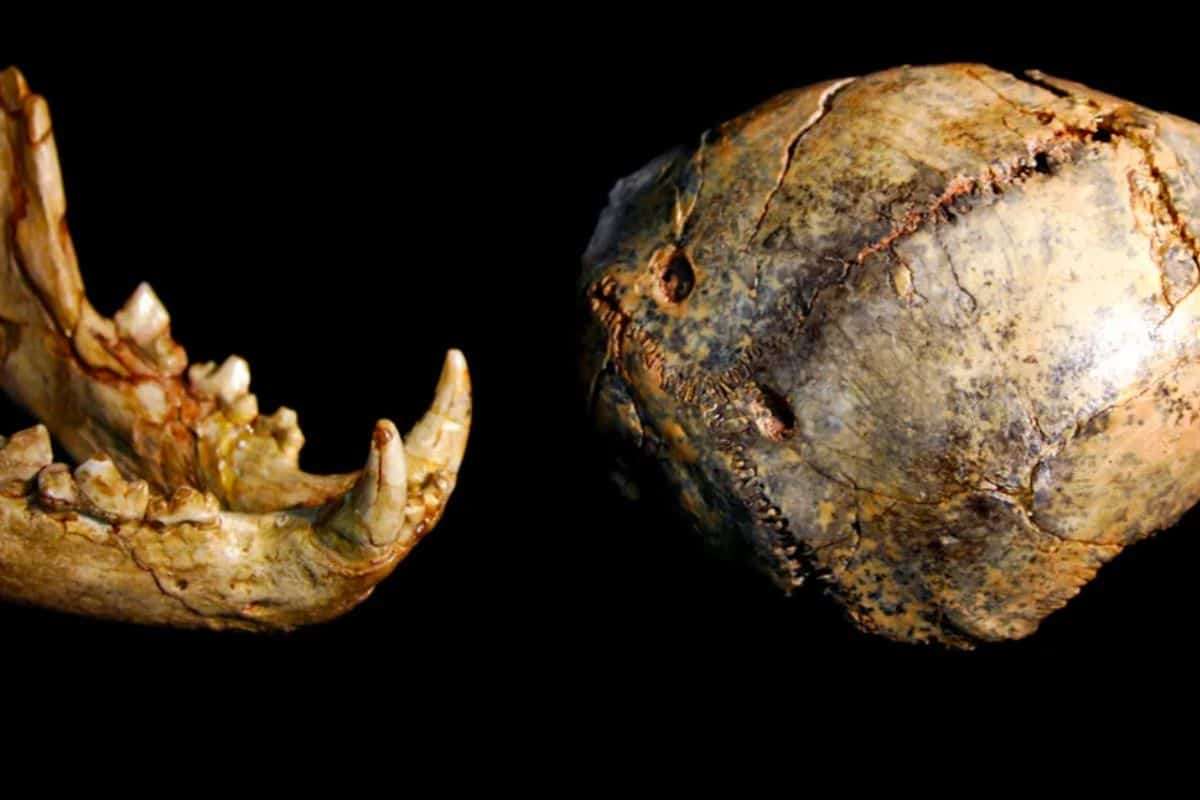
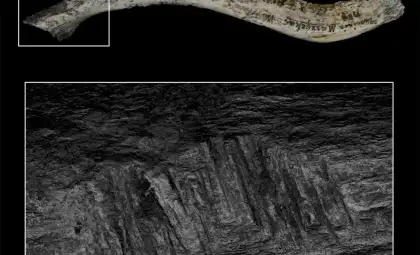
Close examination of the bones revealed marks consistent with carnivore bites. Scientists suggest this young female might have been preyed upon and partially consumed by a leopard, known to hunt near cave entrances and drag kills into nearby trees.
SWT1/HR-2’s estimated weight of about 60.4 pounds (27.4 kg) coincides with the preferred size range of leopard prey.
Comparable bite marks have appeared on other Swartkrans fossils. Co-author C.K. Brain previously identified these as matching leopard tooth patterns.
The Mystery Behind the Diminutive Size
The findings provoke fresh questions about why P. robustus exhibited such a small body size. Unlike the insular dwarfism recognized in Homo floresiensis, no evidence suggests this evolutionary mechanism here.
Scientists propose that size differences may reflect natural species variation or be influenced by environmental and developmental factors.
“This could represent normal species diversity, population-specific traits, or environmental impacts such as nutrition or growth limitations,” noted Jason Heaton, a paleoanthropologist at the University of Alabama at Birmingham.
Future digs may uncover more skeletal remains from SWT1/HR-2, helping to determine whether this individual typifies her species or is an exceptional case.
- Categories:
- Science








0 comments
Sign in to Comment