
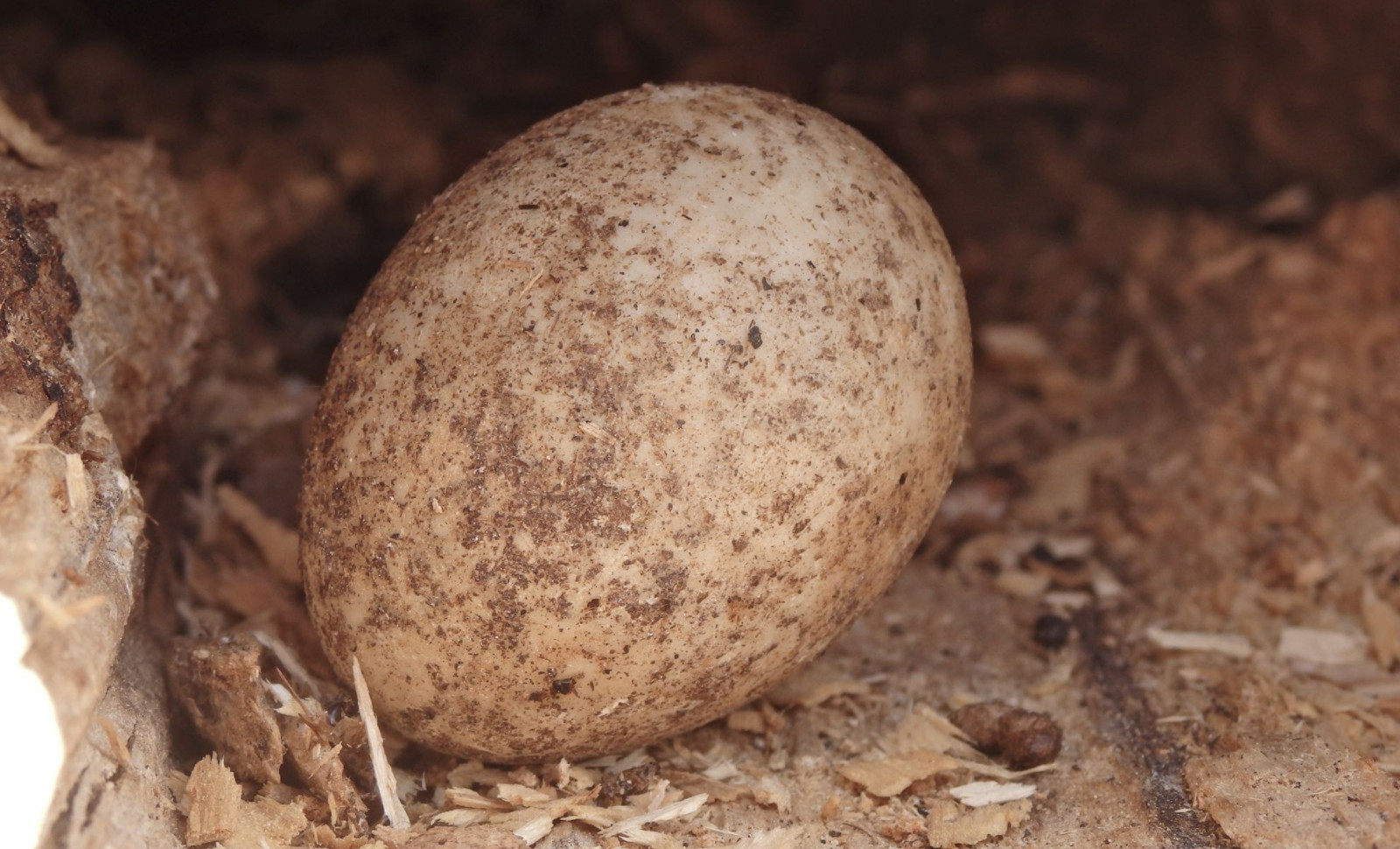
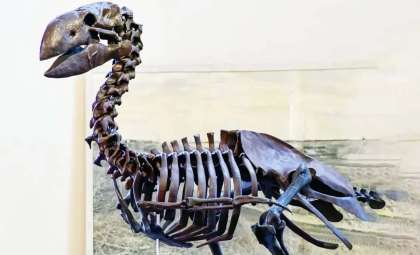
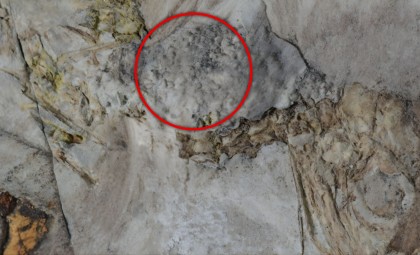
Scientists have uncovered new insights into Earth’s ancient climate by examining fossilized eggshells from huge birds that existed over 15 million years ago. These shells contain a rare oxygen isotope that provides valuable information about how plant life reacted under warmer conditions.
The middle Miocene era, roughly 17 to 15 million years ago, is a key period for researchers seeking to understand a naturally warmer global environment. During this time, carbon dioxide concentrations were elevated, global temperatures were higher, sea levels were raised, and large portions of Earth’s water had yet to be captured in polar ice caps.
Published in Geochimica et Cosmochimica Acta, the research highlights the potential of fossil eggshells to retain chemical traces that extend far back into Earth’s history, offering novel perspectives on ancient biosphere dynamics.

Rare Atmospheric Markers Locked in Fossilized Eggshells
This investigation targeted eggshell fossils from extinct, colossal birds that once roamed the present-day Namib Desert, a vast region covering parts of Angola, Namibia, and South Africa. Researchers focused on measuring oxygen-17, a scarce stable isotope that can reveal details about past atmospheric chemistry.
Oxygen-17 becomes incorporated into carbon dioxide via reactions involving ozone and sunlight high in the atmosphere. During photosynthesis, plants absorb this carbon dioxide, influencing atmospheric oxygen-17 levels. Subsequently, birds record this isotopic signature in their eggshells through the air they inhale, the food they consume, and the water they drink.
Due to the rarity of oxygen-17, its detection in fossils has been technically challenging. The researchers devised a laser-based method requiring ten times less sample compared to previous techniques, enabling analysis of these ancient specimens with minimal damage.
A Novel Technique to Gauge Ancient Plant Growth
The collected oxygen-17 data allowed the team to estimate primary productivity—the speed at which plants convert atmospheric carbon dioxide into organic matter via photosynthesis. Direct measurement of productivity in extinct ecosystems is impossible. Current satellites cannot capture every plant or backtrack biological activity to the distant past, so scientists rely on indirect fossil-based clues instead.
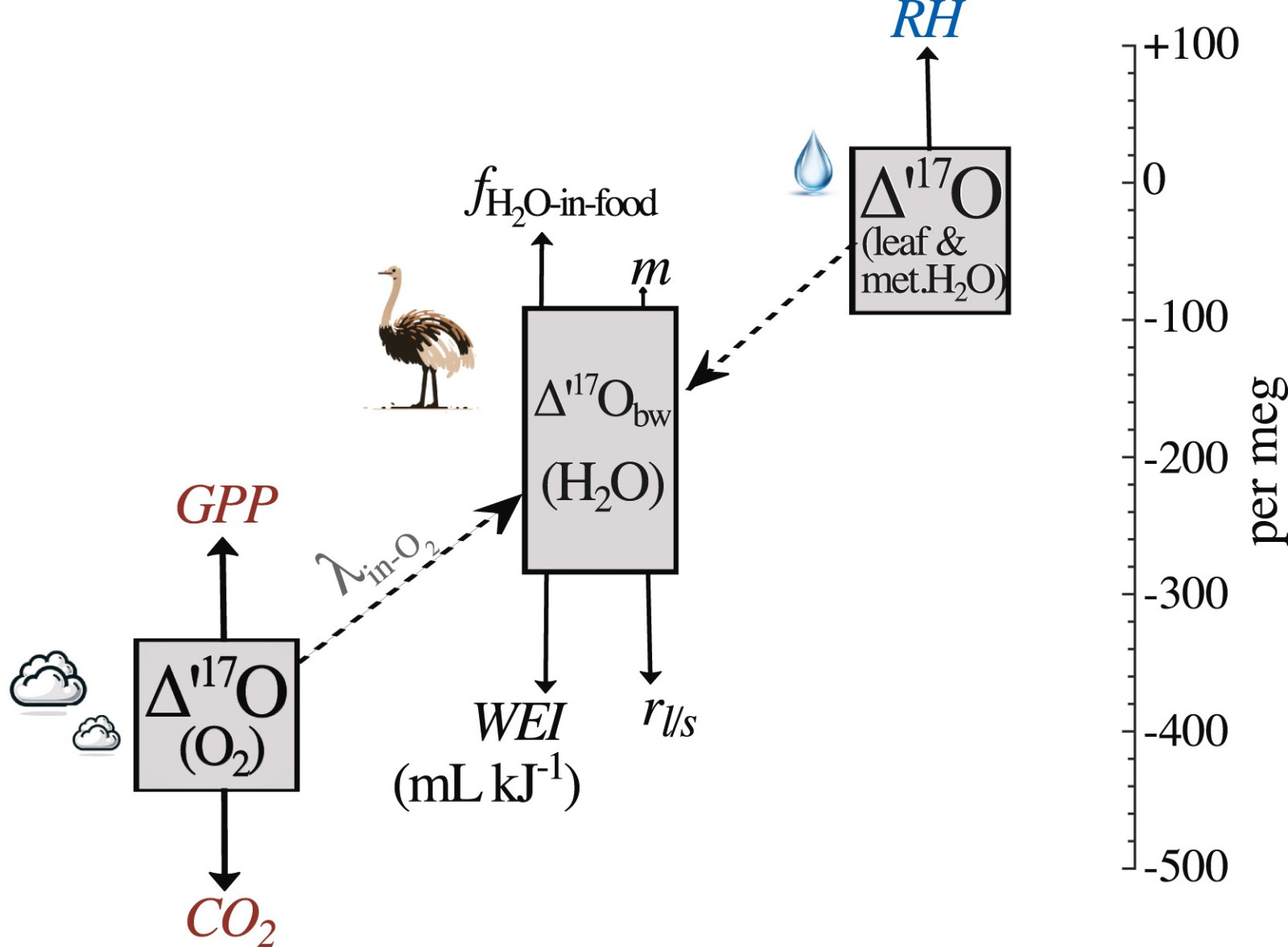
The research shows that oxygen-17 serves as a valuable proxy. When vegetation is more productive, it extracts more carbon dioxide — and thus oxygen-17 — from the atmosphere. Animals incorporate this isotope into bodily tissues like eggshells and teeth during regular metabolic processes.
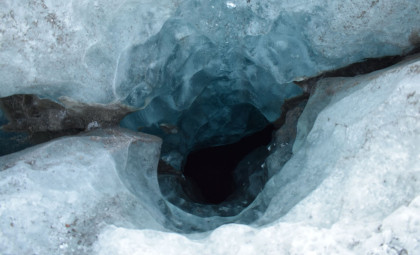
This methodology extends atmospheric study far beyond traditional ice core records, unlocking insights from ancient greenhouse periods that were previously hard to access.
Decline in Plant Activity During the Miocene
During the initial 2020 lockdown, scientists assembled their pioneering instrument and subsequently analyzed numerous fossil eggshell samples over three years. Their findings indicate that roughly 15 million years ago, the global biosphere’s photosynthetic activity was slower than it is now. Their data suggest plant carbon uptake was approximately 40% lower than that of contemporary ecosystems.
The researchers caution that this represents an early-stage discovery. Models connecting fossil oxygen-17 levels to the carbon cycle are still being optimized, and replication by other laboratories is necessary to validate these findings.
Nevertheless, this work demonstrates that ancient eggshells hold rich chemical archives of Earth’s past atmosphere. Unlocking these records provides an innovative approach to studying plant behavior and carbon cycling during one of Earth’s most significant warm climate intervals.
- Categories:
- Science






0 comments
Sign in to Comment