
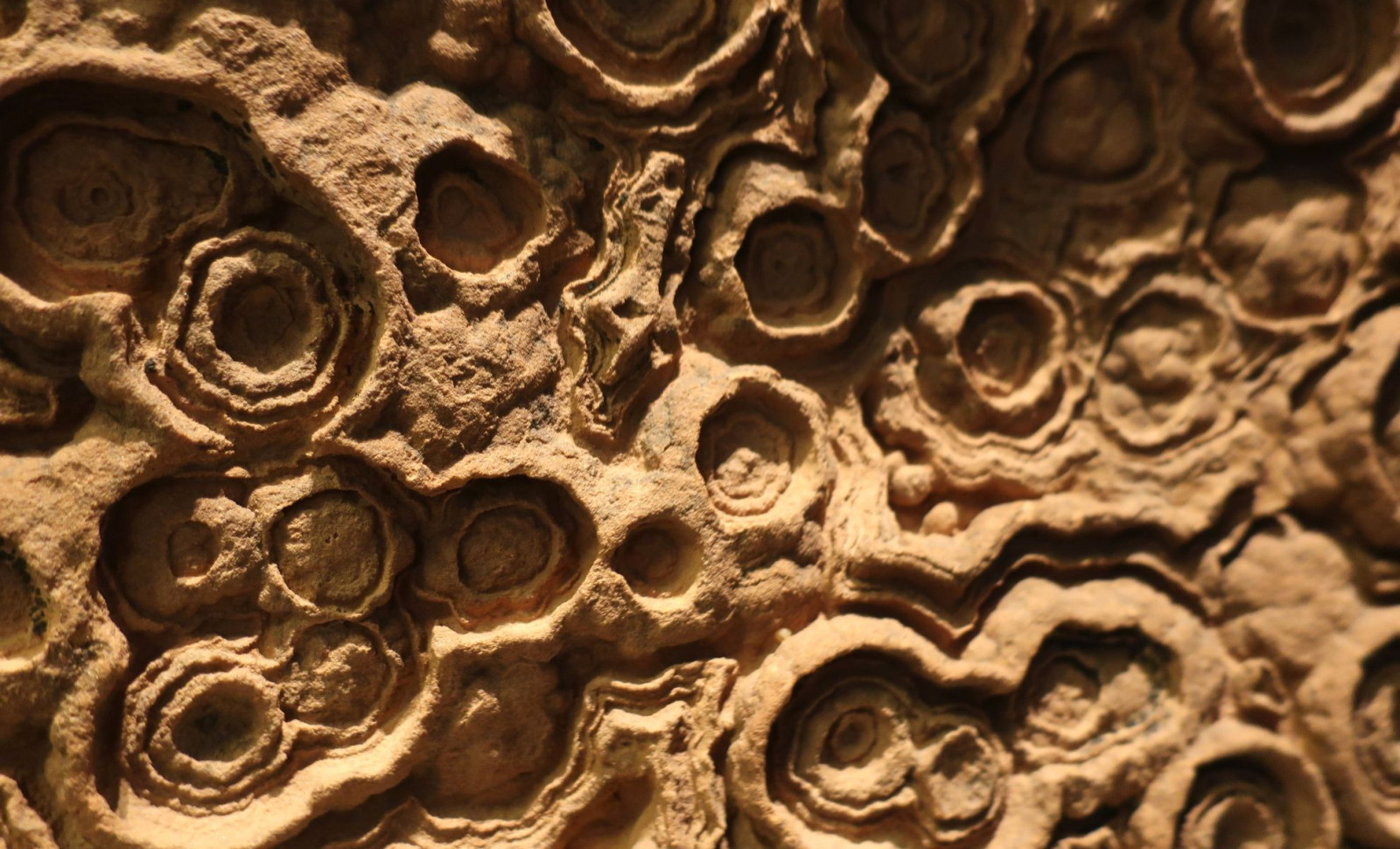
Some of the rarest and most enigmatic fossils in the world, representing soft-bodied organisms trapped within coarse sandstone, owe their preservation to a distinct chemical process occurring on the primordial seafloor. A groundbreaking study has found that authigenic clay minerals, rather than biological resilience, were responsible for encasing these creatures in rock almost 570 million years ago.
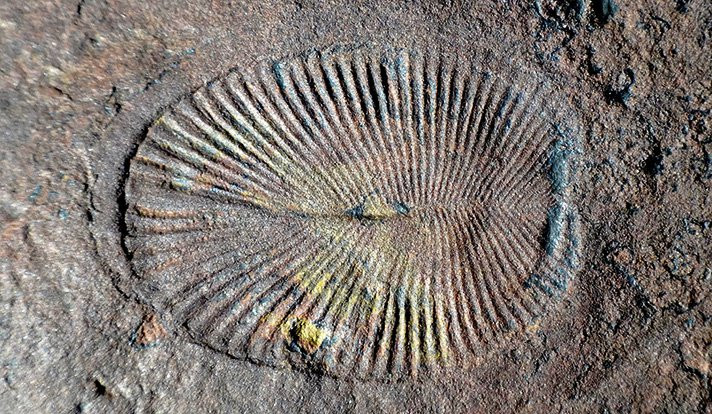
These fossils, predating dinosaurs and lacking bones, belong to the Ediacara Biota, a peculiar assemblage of soft-bodied lifeforms that emerged shortly before the Cambrian Explosion.
Scientists have long been puzzled by the exceptional detail preserved in sandstone, a rock type usually too porous to safeguard delicate structures. This new research, featured in Geology and led by Dr. Lidya Tarhan, sheds light on the fossilization mechanism that detailed these fragile organisms so clearly.

Seafloor Chemistry Sealed Fossils
The team investigated whether the clay minerals encasing the fossils originated from external sources, such as detrital clays, or if they developed in situ after burial. To solve this, they analyzed lithium isotopes from fossils found in Newfoundland and northwestern Canada.
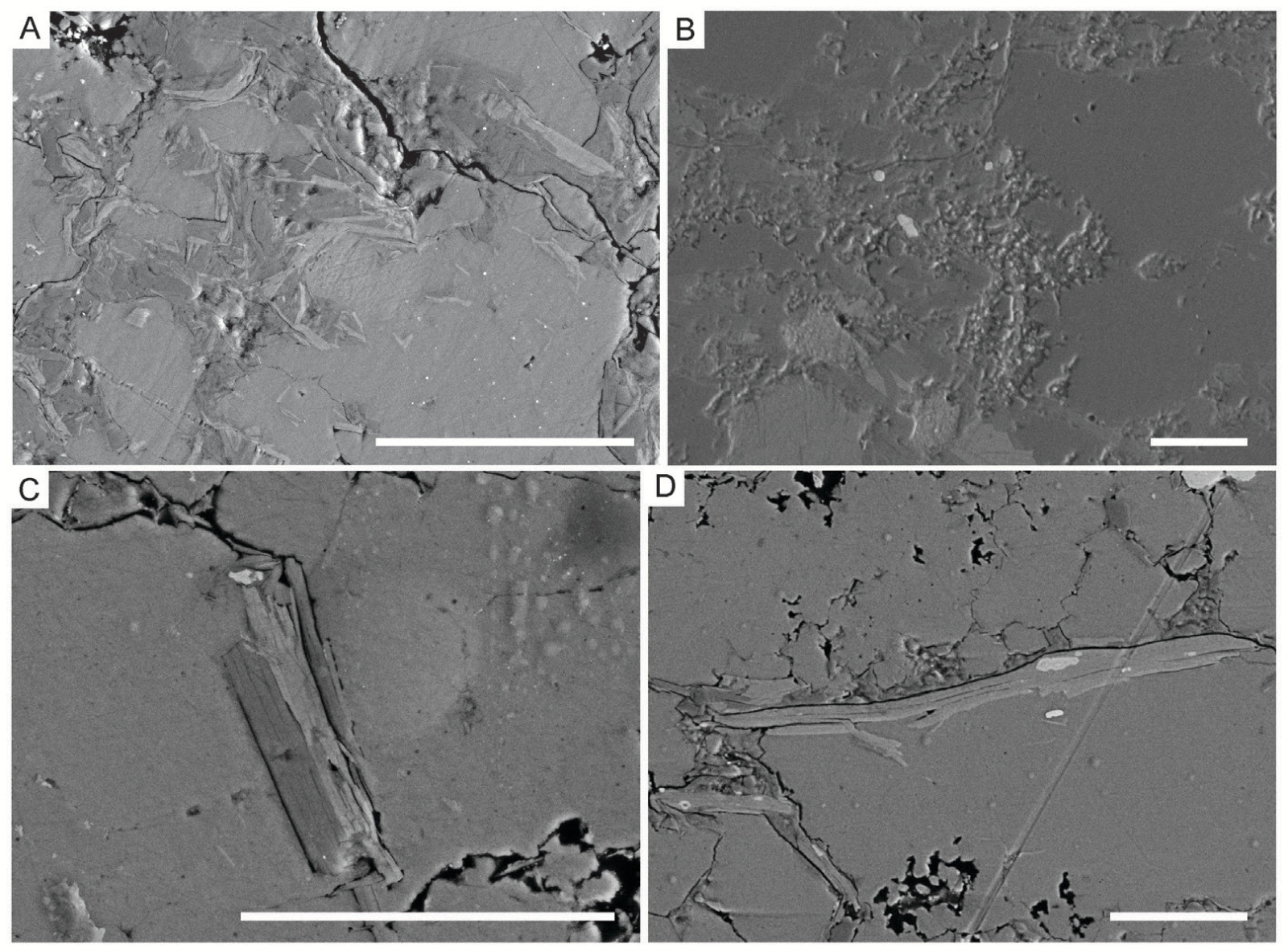
The findings strongly indicated authigenic clay formation, produced directly within sediments due to ancient seafloor chemical environments. The study explains that existing detrital particles served as nucleation sites for these clays, effectively preserving the fine details of soft tissue before decay set in. The ancient seawater, enriched with silica and iron, was crucial for catalyzing this cementing action.
Geochemical Forces Behind Fossil Preservation
Until now, many believed these fossils endured due to the extraordinary toughness or chemical resistance of the organisms themselves. This investigation overturns that idea, highlighting that the preservation depended mainly on the chemical conditions of the environment, rather than biological traits.
“The Ediacara Biota look totally bizarre in their appearance. Some of them have triradial symmetry, some have spiraling arms, some have fractal patterning,” explained Dr. Lidya Tarhan, a paleontologist at Yale University. “It’s really hard when you first look at them to figure out where to place them in the tree of life.”
Dr. Tarhan’s team discovered that sandstone, typically not a suitable rock for fossil preservation, became a stable host because of the cement-like binding created by these newly formed clay minerals.
“It’s incredibly important… that we try to figure out what are the mechanisms behind that exceptional fossilization,” she said, emphasizing that accurate fossil interpretation depends on understanding how those fossils were made.
Early Life’s Rise and Fall
This new evidence alters the scientific perspective on the Ediacara Biota and early evolutionary patterns as a whole. These organisms existed just before the dramatic diversification of life known as the Cambrian Explosion.
The research team describes the Ediacaran era as a slow, building phase leading toward the Cambrian diversification, rather than an immediate evolutionary surge.
“We would like to understand their relationship to the complex animals that evolved shortly thereafter. Are the Ediacara organisms some sort of failed evolutionary experiment, or do they include the ancestors of the animals that subsequently colonized the oceans?”she said, as quoted in a report published by NASA’s Astrobiology.
The article notes that Dr. Tarhan aims to apply this isotopic technique to other fossil sites from various eras. Her objective is to learn whether similar clay-driven fossil preservation occurred elsewhere and to discern if the end of the Ediacara Biota reflects a true biological extinction or merely a shift in fossilization processes.
- Categories:
- Science



0 comments
Sign in to Comment