
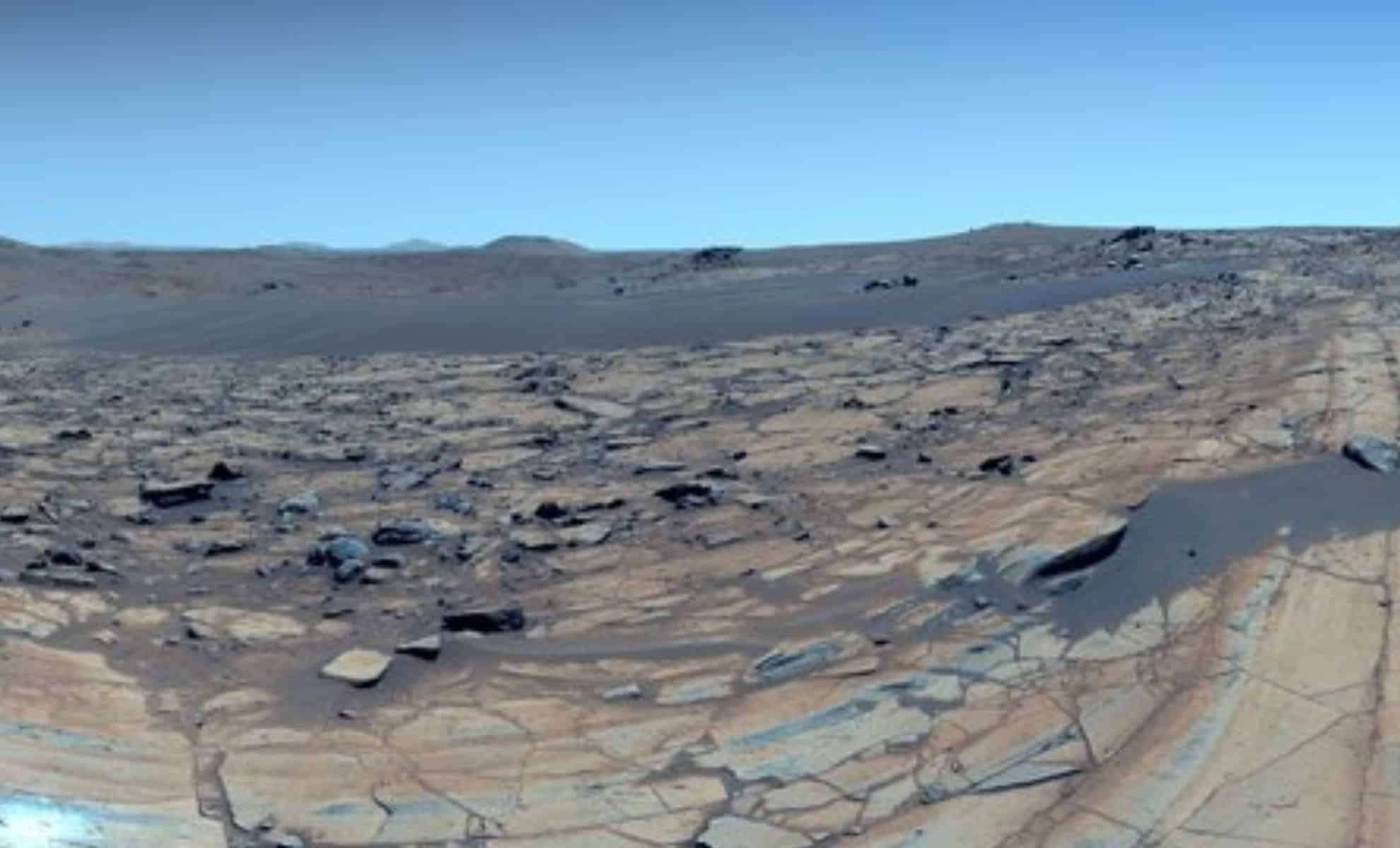
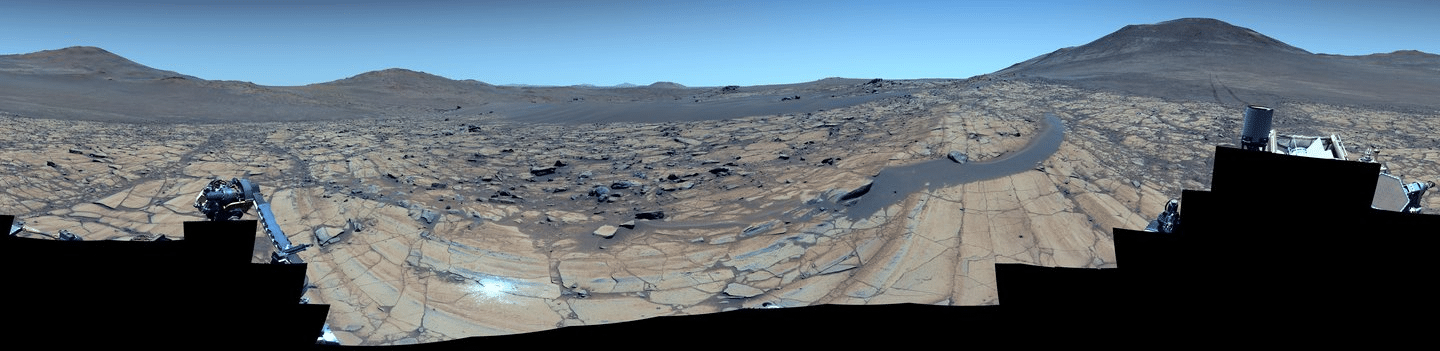
NASA’s Perseverance rover has delivered one of the sharpest and most vivid panoramic images of Mars ever recorded, providing fresh perspectives on the planet’s enigmatic surface. As detailed in a NASA report, this impressive 360-degree mosaic, formed from 96 high-definition photos, was snapped on May 26, 2025, from a region dubbed “Falbreen.” The enhanced-color rendition reveals a strikingly blue Martian sky, offering a breathtaking expanse of the landscape and hinting at the scenes future astronauts might encounter. This milestone not only highlights Perseverance’s continued exploration success but also echoes NASA’s overarching goals for Mars research and the eventual human missions to the planet.
Capturing Mars’ Surface: A New Level of Detail
The recent mosaic from Perseverance offers an exceptional look into the planet’s unique geological features. Taken on the rover’s 1,516th sol (Martian day) since its February 2021 touchdown, the images were obtained using the Mastcam-Z camera system beneath unusually clear skies. This clarity facilitated a crisp portrayal of surrounding landforms. The enhanced color contrasts in the composite image emphasize variations between the terrain and the sky, showcasing features such as light and dark-toned rocks, undulating sand patterns, and distant ridges stretching up to 40 miles (65 kilometers) away.
Jim Bell, the lead scientist for Mastcam-Z at Arizona State University, noted, “The relatively dust-free skies provide a clear view of the surrounding terrain. And in this particular mosaic, we have enhanced the color contrast, which accentuates the differences in the terrain and sky.” This level of detail paves the way for scientists to deepen their understanding of Mars’ geological evolution and its potential habitability over time.

Falbreen: Exploring Ancient Martian Ground
The panorama’s capture spot, known as “Falbreen,” holds significant scientific value. This area likely contains some of the oldest surfaces Perseverance has encountered, possibly predating the Jezero Crater region where it initially landed. As the rover advances, researchers are eager to study the historical context of the rocks and formations it uncovers. The mission aims not only to unravel Mars’ past environment but also to prepare for future missions involving human explorers.
One intriguing feature in the mosaic is the “float rock,” perched on a crescent-shaped sand ripple. Scientists believe this rock was relocated from elsewhere, potentially driven by wind, water activity, or landslide events. Studying such rocks offers clues about Mars’ shifting geological dynamics, illustrating how its surface has been shaped over millions of years. Determining whether the rock arrived before or after the sand ripple’s formation remains a key research question.
Aspiring Toward Human Missions: Charting Mars’ Future
More than a technological feat, Perseverance symbolizes a pivotal stride in humanity’s ambitions for space exploration. The recent panorama captures a glimpse of what lies ahead as NASA endeavors to send astronauts to Mars. Acting NASA administrator Sean Duffy expressed, “Our bold push for human space exploration will send astronauts back to the Moon. Stunning vistas like that of Falbreen, captured by our Perseverance rover, are just a glimpse of what we’ll soon witness with our own eyes. NASA’s groundbreaking missions, starting with Artemis, will propel our unstoppable journey to take human space exploration to the Martian surface. NASA is continuing to get bolder and stronger.”
The Artemis program plans to return people to the Moon in the mid-2020s, serving as a foundation for developing technologies needed for human expeditions to Mars. NASA’s ambitious vision extends humanity’s presence beyond Earth, with Mars as the ultimate frontier. Insights gathered by Perseverance are enhancing scientific knowledge and laying critical groundwork for future crewed missions to the Red Planet.
- Categories:
- News












0 comments
Sign in to Comment