
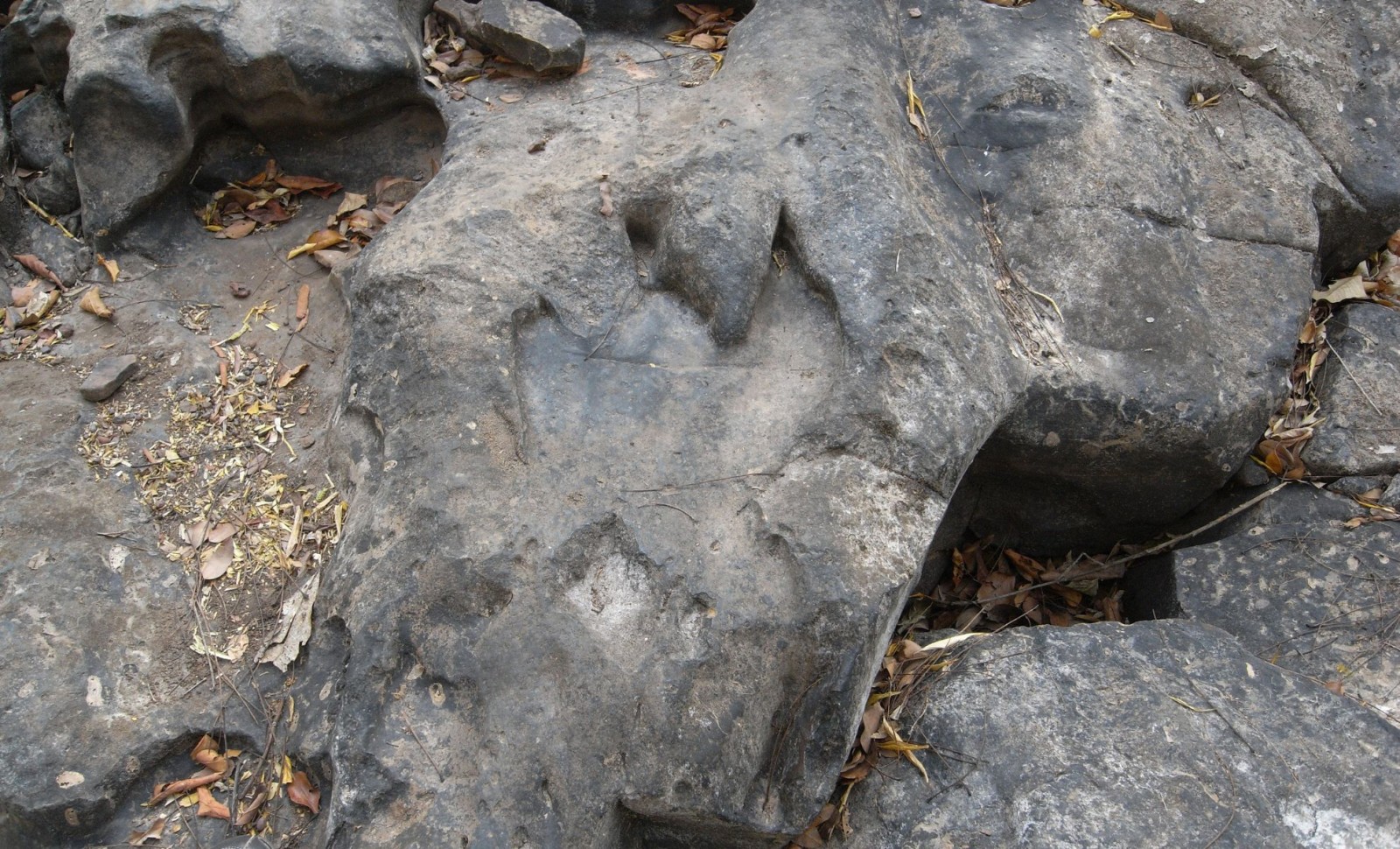
A group of adventurers climbing near La Vela Beach in Italy stumbled upon fossilized imprints that hint at a dramatic event in the lives of ancient sea turtles. These intriguing patterns, embedded within limestone cliffs, provide evidence of a sudden disturbance, likely an earthquake, from more than 80 million years ago.
Documented in the journal Cretaceous Research, the fossilized tracks were discovered on the steep faces of Monte Cònero, along Italy’s eastern coastline. Initially spotted by climbers in 2019, the markings resemble a frantic rush of marine reptiles fleeing danger.
An Unexpected Discovery on Rocky Slopes
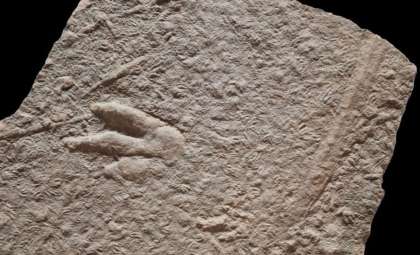
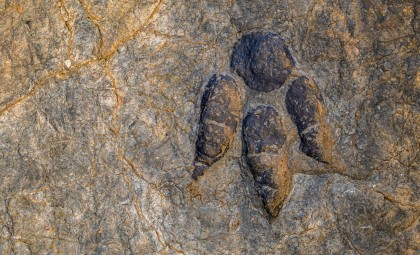
While ascending the craggy cliffs above La Vela Beach, climbers noticed unusual patterns in the limestone. These impressions appear to be ichnofossils, or fossilized evidence of animal behavior, rather than the creatures themselves.

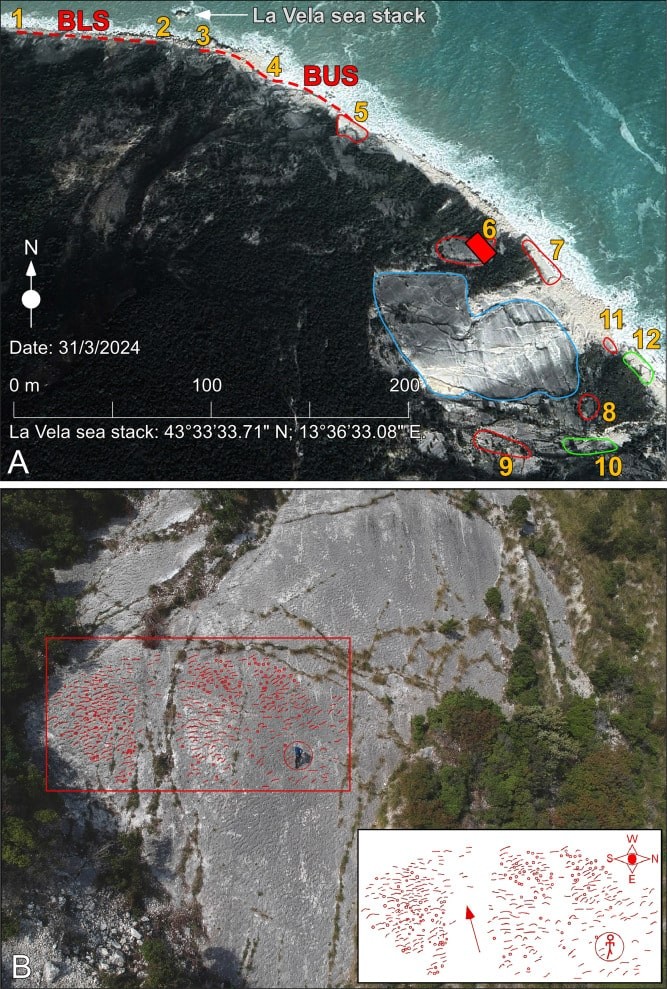
Paleontologist Luca Natali, who had encountered similar traces in the vicinity earlier, noted this newer find offers a more expansive record. Researcher Alessandro Montanari of the Geological Observatory of Coldigioco explains:
“We hypothesized that the footprints, which were probably made by a group of medium-sized marine vertebrates paddling towards southwest on a soft pelagic seafloor, were preserved on that oozy sediment because they were immediately buried and sealed under a calcilutitic turbidite.”
The imprints are embedded within calcilutitic turbidite, a sediment that quickly covered and protected the tracks soon after they were formed. This rapid burial shielded them from erosion, allowing scientists today to examine these rare remnants of prehistoric marine life.
The Enigma Behind the Sea Turtles’ Flight
Recent studies reveal that the sudden, collective movement captured by the fossil footprints indicates a mass fright among the marine reptiles. Montanari suggests this response was likely triggered by an earthquake occurring during the Late Cretaceous era.
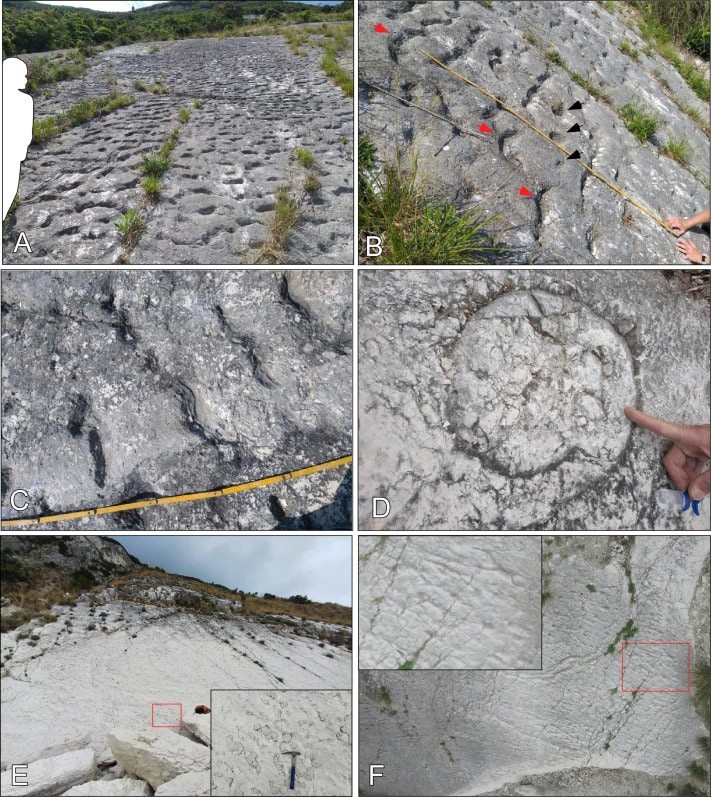
This era also faced climatic shifts, possibly worsened by an asteroid collision, which could have heightened the stress experienced by these ancient animals.
“The prevalence of sea turtle species in these environments leads us to hypothesize that the myriad trace fossils of the La Vela Slabs represent a mass displacement of a very large number of these animals,” said Montanari, who thinks the ancient critters were probably foraging when they were spooked. “A sudden earthquake provoked a stampede toward the open sea.”
This abrupt sedimentary event preserved the fossil trackways, granting paleontologists a unique window into the behavior of these sea turtles long after their time.
Insights Gained from Fossilized Footprints
The trackway network near La Vela Beach ranks among the scarce Late Cretaceous ichnofossils discovered. While initially attributed to various marine reptiles such as mosasaurs, plesiosaurs, or extinct Protostegidae sea turtles, evidence now strongly favors sea turtles as the originators of these traces.
The abundance of sea turtle footprints offers an extraordinary glimpse into how prehistoric marine creatures may have reacted to seismic events, marking this as a notably significant paleontological find.
- Categories:
- Science





0 comments
Sign in to Comment