
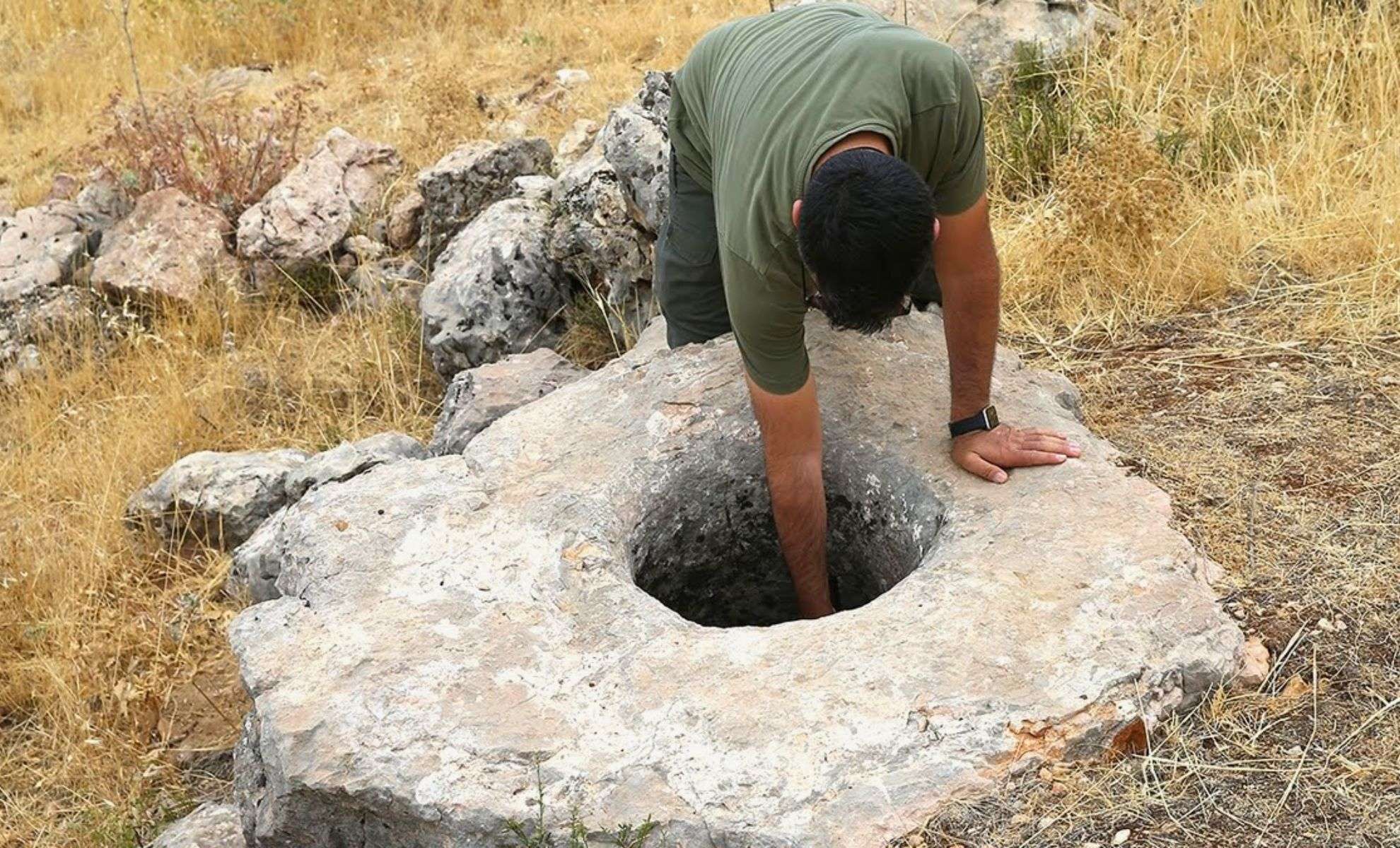
Researchers have recently identified a remarkably well-preserved winemaking complex over 1,600 years old close to Kahta Castle in southeastern Turkey. Dating back to the 4th century, this discovery unveils sophisticated grape processing facilities, including water cisterns and stone crushing tools, indicating large-scale wine production during the Roman era.
Situated near Oymakli village, this ancient winery emerged amid extensive archaeological investigations in a historically rich zone. Its closeness to the ancient fortress of Kahta Castle highlights its importance beyond a mere rural vineyard, signaling its potential role in broader economic activities.
Insights Into Roman-Era Wine Craftsmanship
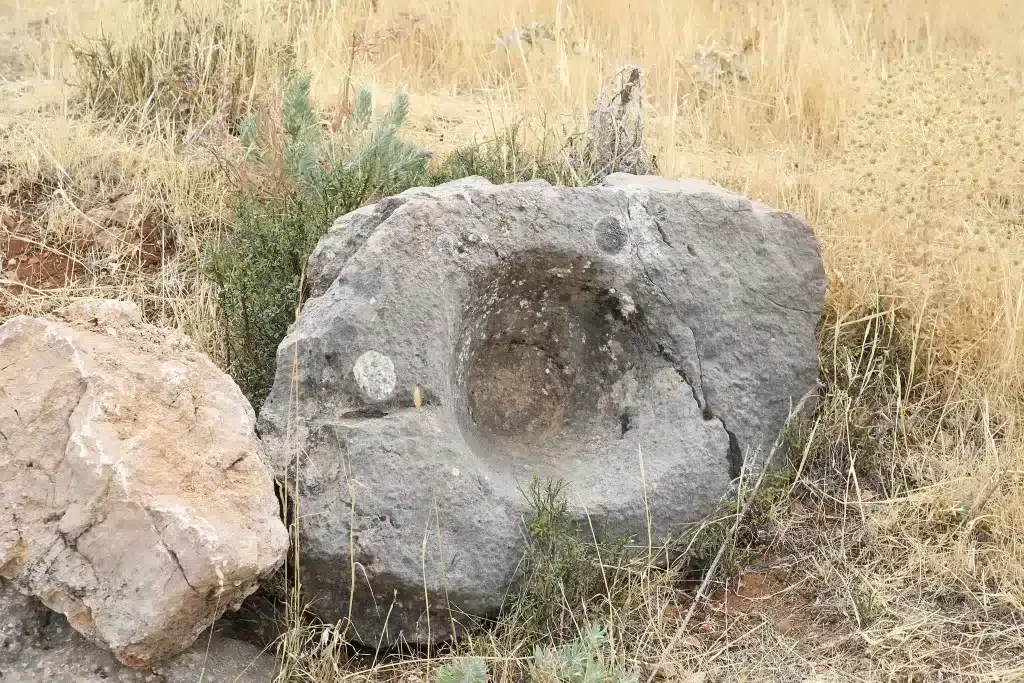
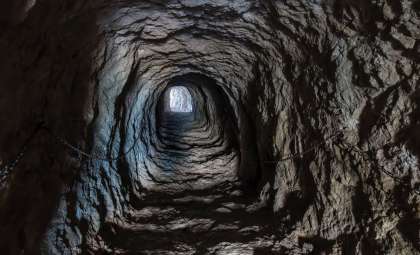
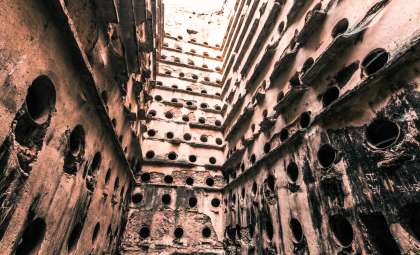
This newly found winery is positioned within the mountainous terrain near Kahta Castle, an ancient stronghold dating back to the 2nd century B.C. of the Commagene Kingdom. Excavation findings reveal important winemaking components like water storage cisterns, grape crushing platforms, and grinding apparatuses.

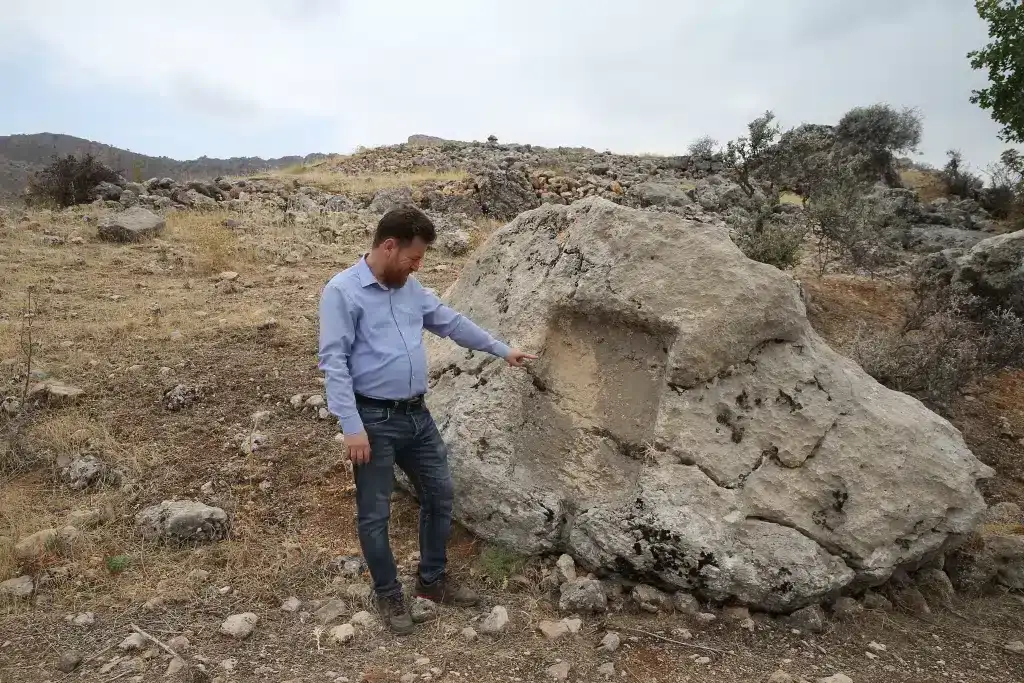
The structural remains, composed of roughly hewn stones, remain largely intact. Lead archaeologist Mehmet Alkan highlighted that this preservation provides valuable insight into the scale and complexity of ancient winemaking, suggesting possible industrial manufacture during this period.
Contextualizing the 4th Century Setting
The complex dates to the early 4th century AD, a transformative period for the Roman Empire characterized by political upheaval and cultural shifts. This era witnessed the rise of Christianity and the establishment of Constantinople as a major power center. Notably, Emperor Constantine’s Edict of Milan in 313 AD legalized Christianity, significantly altering the religious dynamics across Europe.
Uncovering this site during such a pivotal historical moment provides a unique view of how local communities within the Roman Empire adapted economically and culturally. While known as a commercial hub, this region also reflects societal evolution alongside religious changes, and ongoing digs may further illuminate winemaking’s role during this period of transition.
Ongoing Excavations and Future Discoveries at Kahta Castle
Supported by the Turkish Ministry of Culture and Tourism, investigations continue, with plans to officially protect the site as a designated archaeological area. This initiative is part of Turkey’s broader mission to safeguard and explore its ancient heritage, alongside notable findings such as a Christian bishop’s bathhouse in Olympus and a recent Roman bath discovery.
As excavations progress, researchers anticipate uncovering further details about the winery’s function and social significance. Was this complex simply a production facility, or did it also serve as a gathering place? Future digs will hopefully answer these intriguing questions.
- Categories:
- News





0 comments
Sign in to Comment