
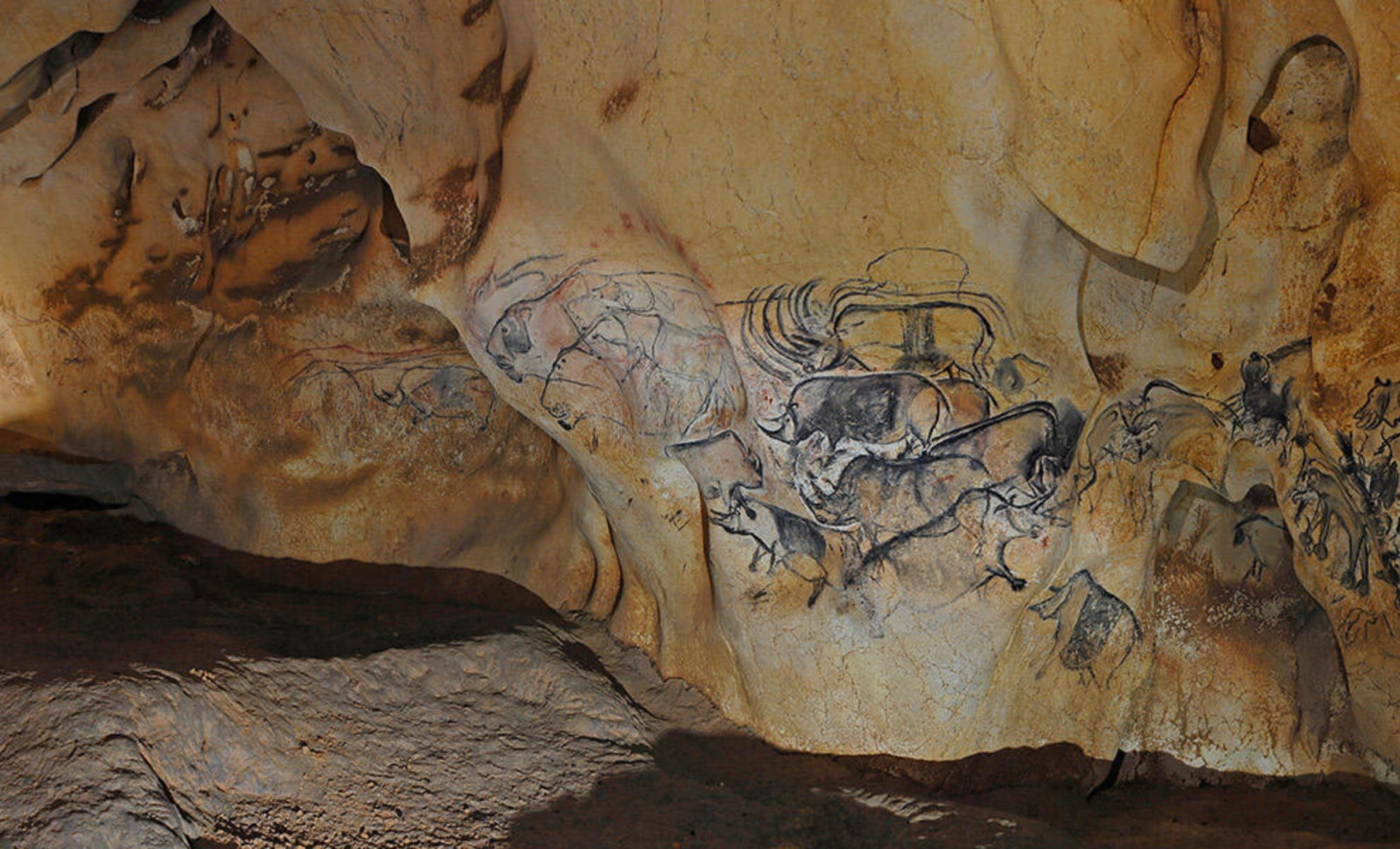
Concealed for millennia, Grotte Chauvet-Pont d’Arc in southern France features some of the planet’s earliest known human artwork. Unearthed in 1994, this cave showcases paintings that have remained virtually unaltered for over 30,000 years.
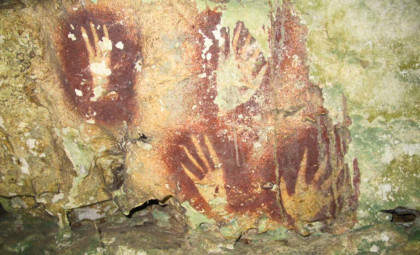
The cave walls are adorned with images dating back between 30,000 and 32,000 years, ranking among the earliest examples of figurative art ever discovered. Over 1,000 depictions embellish the interior, accompanied by animal bones and ancient human footprints. Nestled above the Ardèche River, the site spans roughly 8,500 square meters. Its long-term isolation offers a unique glimpse into Aurignacian culture and creativity.
A Long-Sealed Prehistoric Sanctuary
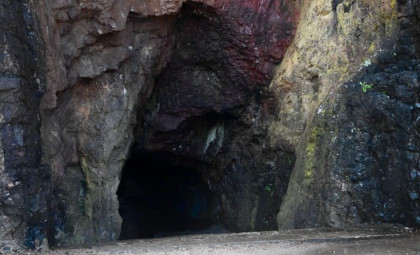
Approximately 20,000 years ago, a rockslide sealed the cave’s entrance, cutting off access and preserving the environment within. This natural closure was crucial to maintaining the cave’s delicate interior.

UNESCO notes that this blockage kept the chamber in a “pristine state,” untouched by any subsequent human visits. Unlike many other ancient sites, Chauvet remained undisturbed, creating a perfectly preserved time capsule. Original footprints on the floor and artwork on the walls persist, frozen in place through millennia.
“The cave contains the best-preserved expressions of artistic creation of the Aurignacian people, constituting an exceptional testimony of prehistoric cave art,” wrote the authors.
Animals Brought Vividly to Life
Scientists from the CNRS (French National Centre for Scientific Research) describe the discovery of Chauvet as a “multi-layered revolution.” The artwork includes finely detailed paintings that date back over 36,000 years.
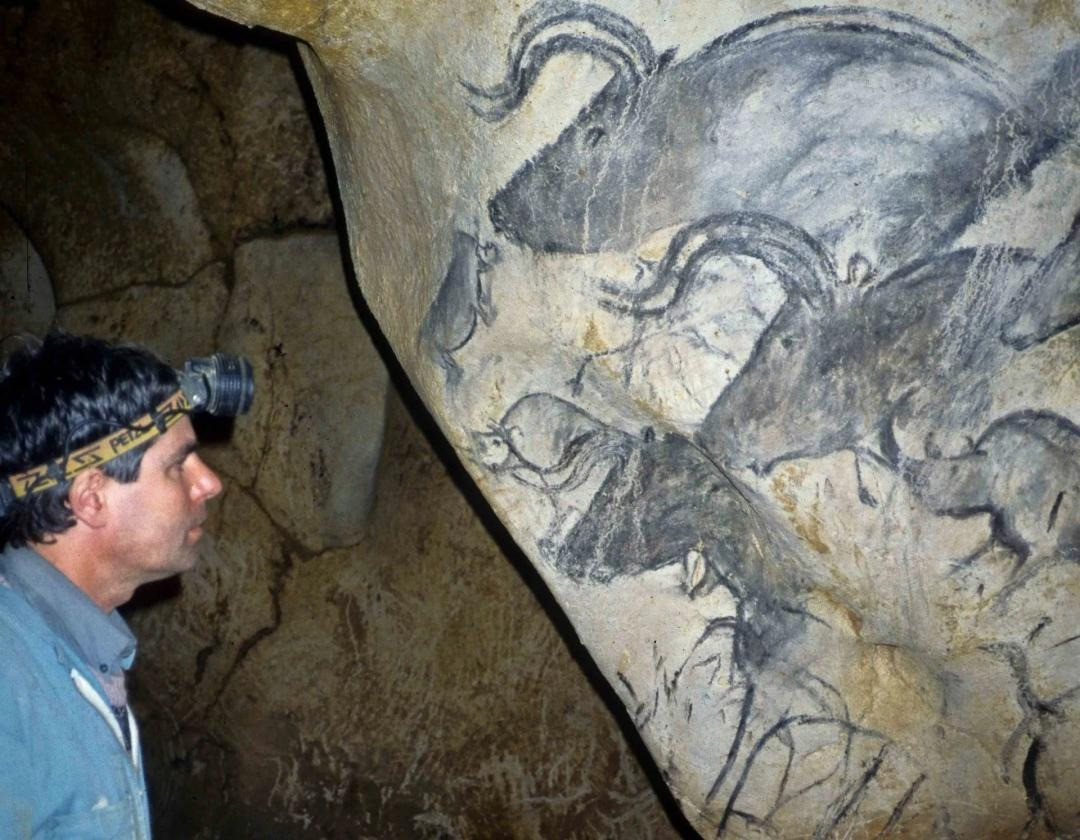
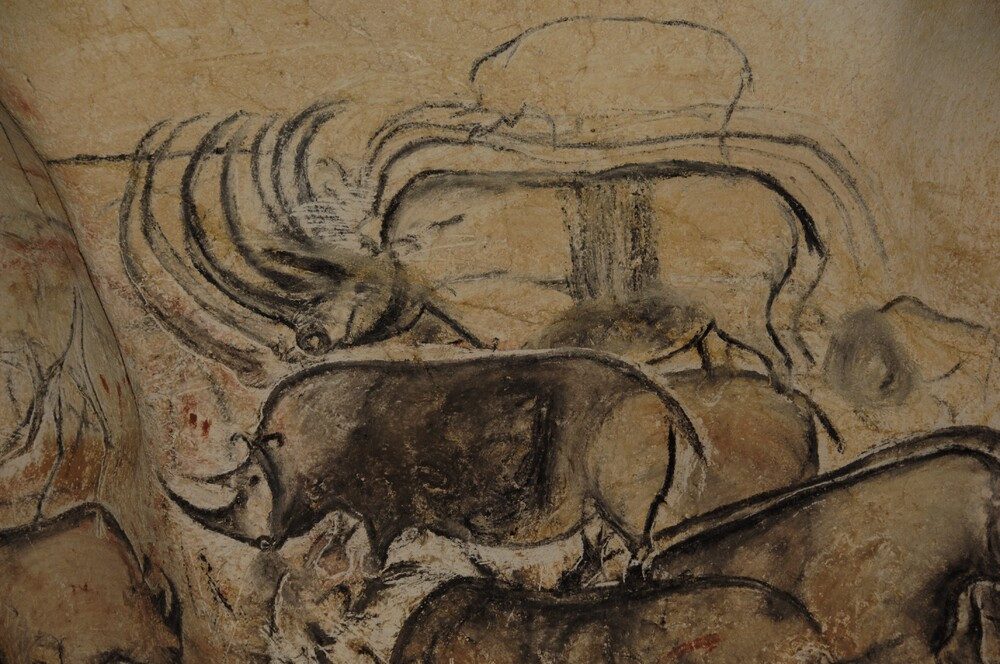
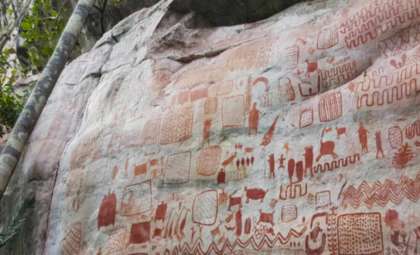
The majority of the cave’s artwork showcases animals such as mammoths, cave lions, rhinoceroses, bison, and aurochs. Though many were fierce creatures, these detailed renderings exhibit remarkable precision. As the research highlights:
“It contains more than 1,000 drawings, predominantly of animals, including several dangerous species, as well as a large number of archaeological and Palaeolithic vestiges.”
Techniques like shading, engraving, and layering are expertly employed in the images. Some animals seem to transcend static art, appearing to move through repeated outlines and masterful compositions. The creators utilized the rock surfaces’ natural shapes to lend depth and motion to these extraordinary ancient works.
A Rare Window into Early Human Life
In addition to art, the cave holds roughly 4,000 prehistoric animal remains and human footprints, offering an integrated view of Aurignacian-era existence.
This heritage site is heralded for its exceptional preservation of early human cultural history. Its sealed nature ensures that everything inside remains untouched, preserving invaluable archaeological integrity.
To protect this treasure, public access is prohibited, with only a few vetted researchers permitted entry under strict conditions. To share the site’s significance with the public, a precise replica, Espace de Restitution de la Grotte Chauvet, was developed, enabling visitors to experience the cave’s wonders without threatening the original.
“After it became clear that the cave would never be accessible to the general public, the idea of a facsimile reconstruction to provide interpretation and presentation facilities emerged. The Grand Projet Espace de Restitution de la Grotte Chauvet (ERGC) was established, with the aim of creating a facsimile reconstruction of the cave with its paintings and drawings, and a discovery and interpretation area to attract visitors,” noted the UNESCO statement.
The authentic cave remains untouched, preserving one of humanity’s earliest artistic legacies, perfectly frozen across tens of thousands of years.
- Categories:
- News

0 comments
Sign in to Comment