
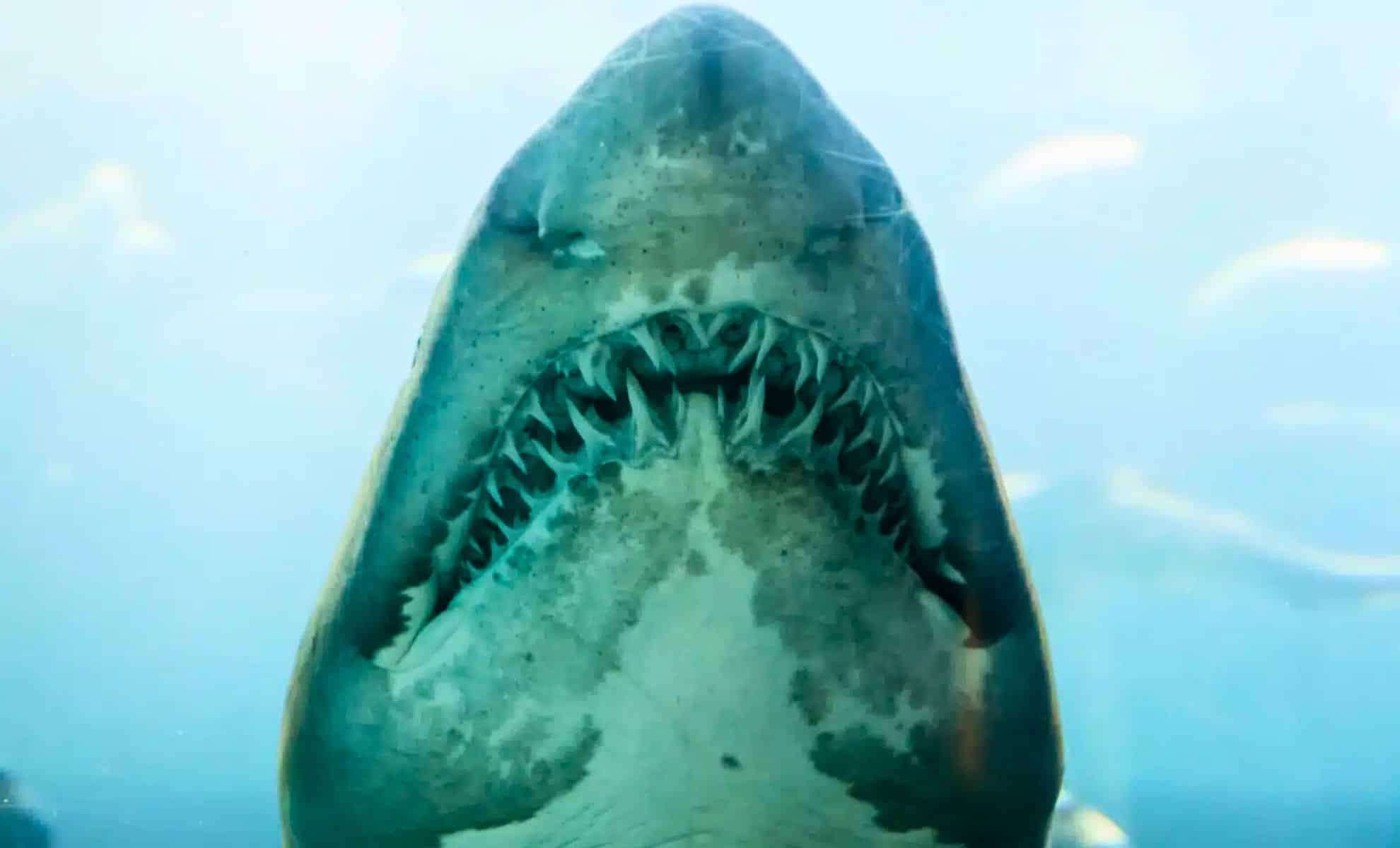
Scientists have identified fossil fragments of two previously unknown shark species buried deep within the geological strata of Mammoth Cave National Park in Kentucky and another location in northern Alabama. These extinct sharks, named Troglocladodus trimblei and Glikmanius careforum, lived approximately 325 million years ago and are members of the ancient ctenacanth shark lineage. These distant ancestors of today’s sharks featured unique comb-like spines along their backs for defense.
The fossils were discovered through the Paleontological Resource Inventory, a National Park Service (NPS) research project aimed at cataloging fossil evidence preserved within U.S. national parks. The remarkably well-conserved remains reveal fine anatomical details, which is attributed to the stable, subterranean environment inside the cave systems.
Unearthing Treasures in Mammoth Cave
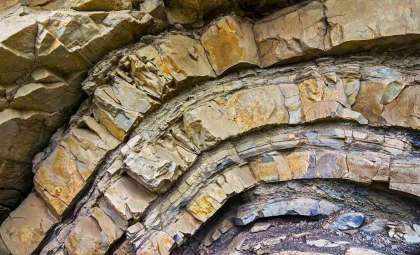
Mammoth Cave is renowned for being the longest cave system worldwide, composed of an extensive network of limestone chambers and tunnels stretching over 676 kilometers beneath central Kentucky’s landscape. Beyond its length, the cave features intricate karst formations and ancient marine sediment layers rich in paleontological specimens.

Since the early 19th century, Mammoth Cave National Park has undergone various phases of use, from saltpeter extraction during the Civil War to contemporary ecotourism. It is a habitat for numerous cave-adapted species including blind fish, diverse invertebrates, and bats. Occasionally, prehistoric remains emerge from its ancient rock layers, providing valuable historical insight.
Meet Troglocladodus trimblei and Glikmanius careforum
Troglocladodus trimblei was a shark measuring roughly 3 to 3.6 meters in length with uniquely forked teeth that suggest specialized predatory habits. In contrast, Glikmanius careforum possessed a strong bite force suited for hunting a variety of targets, including bony fish, other sharks, and orthocones—extinct squid-like marine creatures.
A digital model created by the National Park Service depicts Glikmanius careforum leading the scene, flanked by two Troglocladodus trimblei, offering a window into their ancient aquatic landscape. Researchers speculate these sharks displayed behavior analogous to modern lemon or grey sharks and likely inhabited coastal marine environments instead of deep waters.
A Glimpse Into an Ancient Seaway
The fossils originate from formations formed during an era when a sprawling inland sea submerged much of what today is North America. This prehistoric seaway linked the future continents of North America, Europe, and North Africa, placing present-day Kentucky and Alabama beneath tropical seas. Over millions of years, tectonic plate collisions erased the seaway’s presence and contributed to the assembly of the supercontinent Pangaea.
Such fossils provide exceptional insights into marine life that thrived long before the dinosaurs. A previous find in the same region revealed a 330-million-year-old shark rivaling the size of today’s great white shark. These discoveries highlight the Mammoth Cave region’s role as a crucial archive for understanding early marine diversity and shark evolution.
Safeguarding Fossils for Scientific Legacy
The Paleontological Resource Inventory assists researchers and park officials in monitoring and preserving the irreplaceable fossil treasures found across national parks. Through extensive fieldwork, archival study, museum investigations, and expert consultation, the National Park Service Paleontology Program compiles comprehensive fossil data.
Thanks to the protective and consistent environment within Mammoth Cave, the fossil remains of Troglocladodus trimblei and Glikmanius careforum have endured for over three hundred million years. The NPS emphasizes that these findings offer a “fascinating glimpse” into prehistoric marine ecosystems, deepening understanding of how early ocean predators lived, evolved, and coexisted in ancient habitats.
- Categories:
- Science






0 comments
Sign in to Comment