
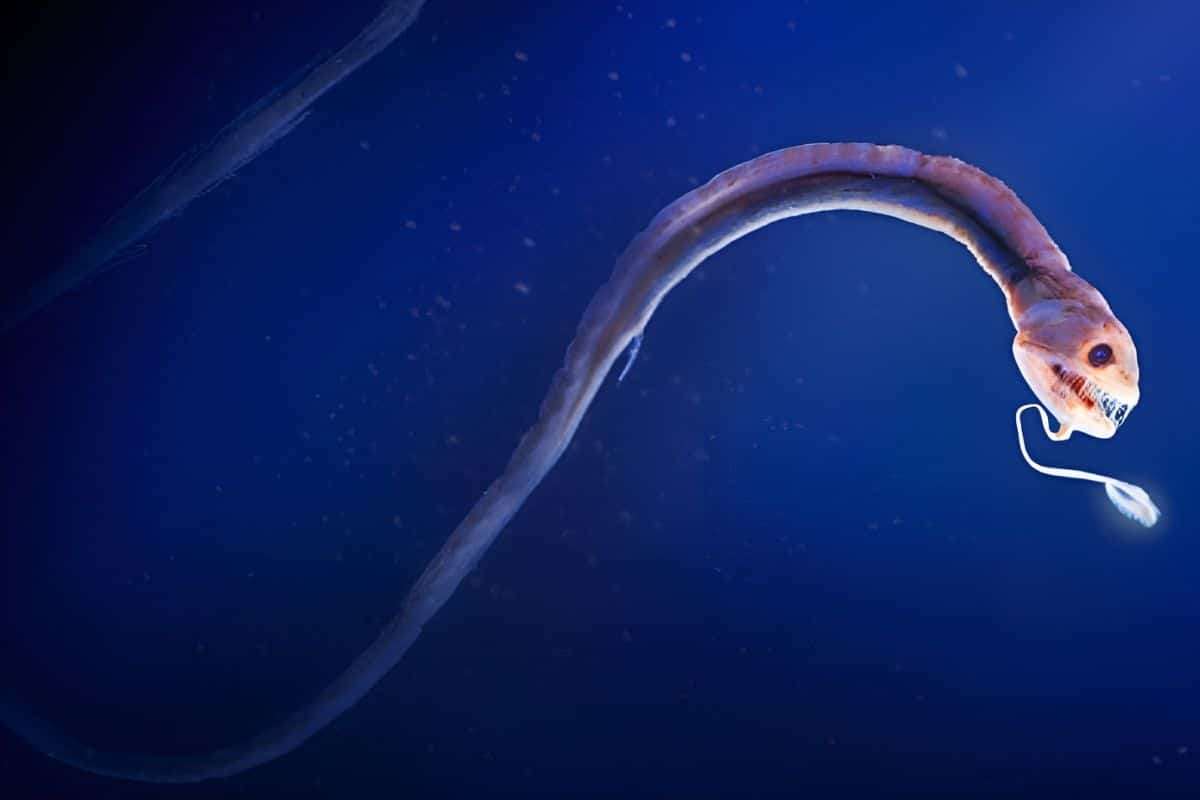
A groundbreaking scientific initiative is set to explore hidden marine life in Australian and New Zealand oceans, utilizing the latest genetic detection methods. Spearheaded by the Minderoo Foundation alongside the International Union for Conservation of Nature (IUCN), this effort employs environmental DNA (eDNA) technology to identify rare and largely unknown deep-sea animals.
With numerous fish species potentially teetering on the brink of extinction, this mission aims to bridge crucial gaps in biodiversity knowledge and deepen our understanding of the ocean’s depths.
Challenges in Monitoring Deep Ocean Species
One major hurdle in marine conservation is the scarcity of detailed information about countless species. While some sharks, rays, and fish are officially listed as endangered, there remain hundreds of lesser-known species whose population dynamics are poorly understood. Without reliable data, conservation status assessments remain incomplete.

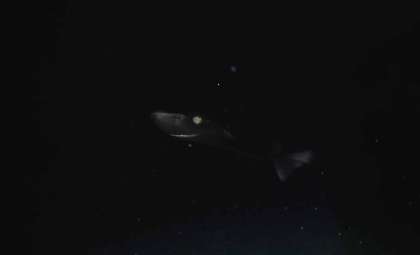
This issue is especially pronounced in deep-sea zones, where traditional research techniques are ineffective. Species such as the elusive white shark, sawfish, and hammerhead sharks have been documented as threatened, but many others hide beyond scientific reach.
Environmental DNA: A Key to Ocean Mysteries
To overcome these difficulties, scientists have adopted environmental DNA (eDNA)—a technique that detects microscopic genetic material shed by organisms into surrounding waters. This method allows for species detection without the need for direct observation or physical capture.
At the recent eDNA conference in Wellington, the Minderoo Foundation revealed plans to analyze 10,000 water samples covering 600 marine species throughout Australia and New Zealand. The objectives include:
- Mapping current habitats of these species.
- Identifying regions where species have vanished.
- Comparing new data against historical records to monitor population trends.
Exploring "Dark Biodiversity" and Discovering New Life Forms
In addition to monitoring known species, the project expects to reveal entirely novel marine organisms. Deep-sea habitats often conceal rare creatures confined to specific isolated environments.
“We know we’ve got dark biodiversity out there — species that haven’t even been described yet,” said Michael Bunce, director of Minderoo’s OceanOmics program.
“When we get into the deep sea, we’re discovering new species. By nature, they are typically only found in very niche habitats, because if they were common we would have found them in the past.”
Advancing the Frontier of Oceanic Research
The integration of innovative DNA techniques with marine conservation science ushers in a transformative era for underwater exploration. Researchers can survey vast, hard-to-reach ocean regions without disrupting delicate ecosystems.
Looking ahead to 2025, this ongoing study has the potential to identify endangered populations, uncover previously hidden species, and expand scientific understanding of the deep ocean’s biodiversity.
The vast depths remain among Earth’s final unexplored domains, and with tools like eDNA, scientists are unlocking its mysteries, tracing life one fragment of DNA at a time.
- Categories:
- Science






0 comments
Sign in to Comment