
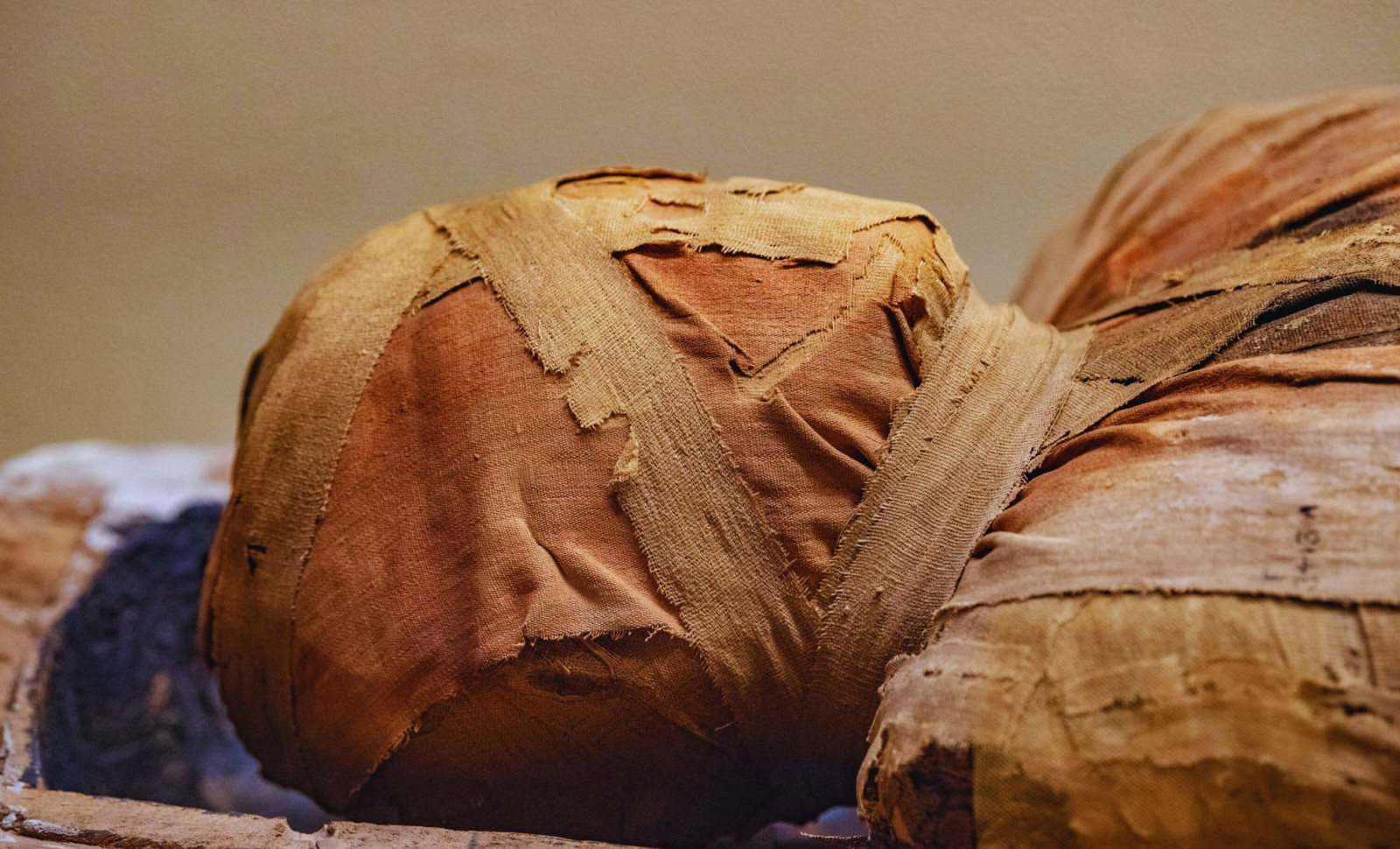
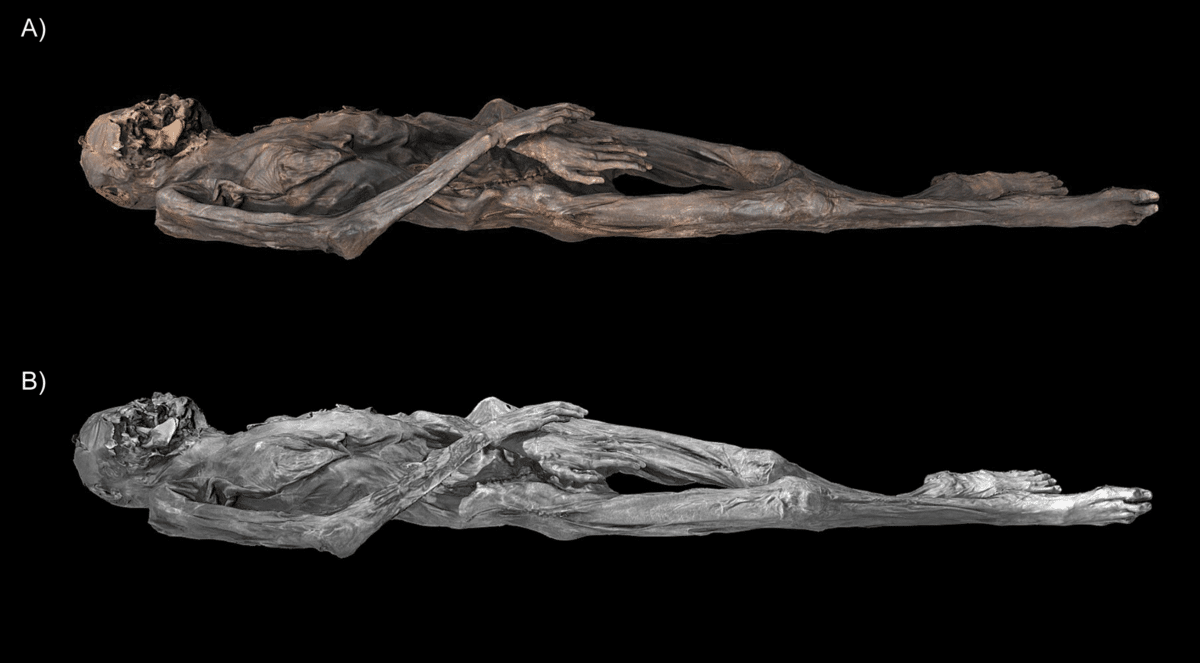
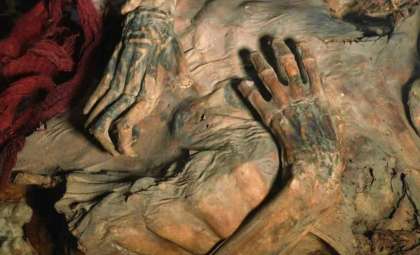
More than two millennia ago, a woman from Siberia left behind an extraordinary legacy through the tattoos adorning her remarkably preserved mummified body. These elaborate patterns on her forearms and hands represent some of the finest and most intricate examples of tattoo art from antiquity. This exceptional find opens a new window into early tattoo culture, highlighting their cultural and symbolic importance.
Leading the research, Gino Caspari of the Max Planck Institute of Geoanthropology and the University of Bern employed state-of-the-art imaging techniques to reveal the body art concealed beneath layers of mummification.
Cutting-Edge Imaging Unveils Timeworn Tattoos
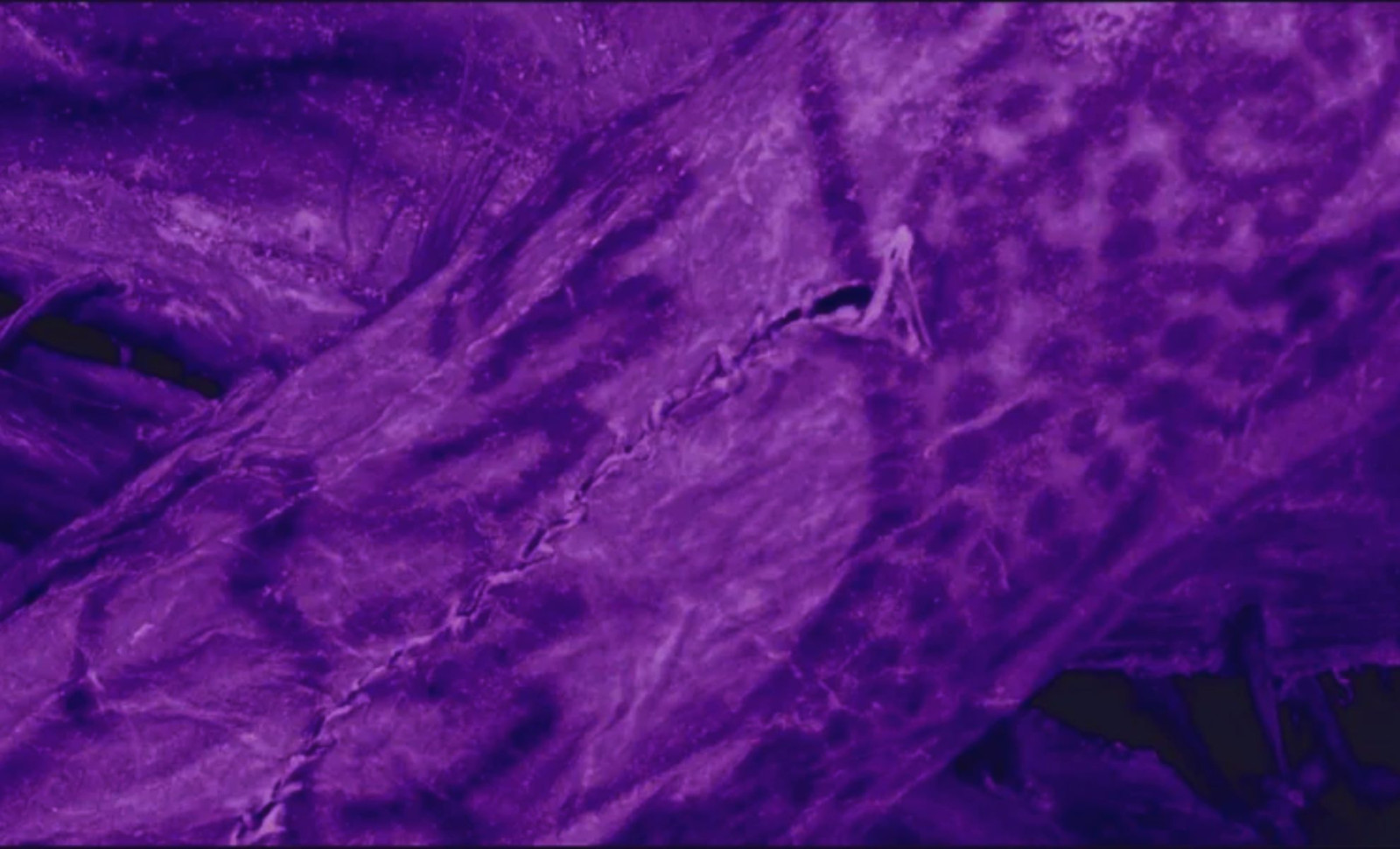
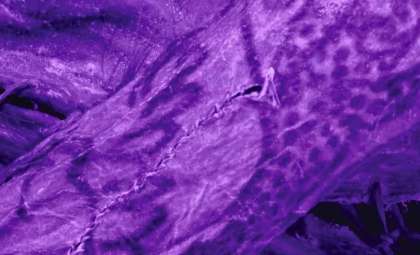
The research, detailed in a publication in Antiquity, reveals the remarkable detail of the tattoos on the Pazyryk woman's body, despite their immense age. By using infrared and near-infrared photography, scientists could visualize the designs that had been obscured and darkened by the mummification process.

This technology exposed a diverse array of artwork, ranging from simpler floral and avian motifs on the hands to complex mythological scenes covering her forearms. Among the images are flower patterns and a bird resembling a rooster on her hands, while her forearms display a moose-like creature being attacked by a mythical beast and a vivid conflict between antlered animals and tigers.
Symbolism Embedded in the Tattoos
Within Pazyryk society, tattoos were imbued with significance. The careful spacing and placement of the designs imply they held specific meanings, avoiding overlap to preserve their cultural implications. As Gino Caspari explains, this deliberate positioning may reflect aspects of individual identity or social standing.
“The insights really drive home to me the point of how sophisticated these people were,” he said.
These tattoos likely played a vital role in Pazyryk communal life, potentially serving spiritual or societal functions. Their precise location on the body points to an advanced understanding of how tattoos could symbolize or enhance personal attributes.
Ancient Tattooing Techniques Uncovered
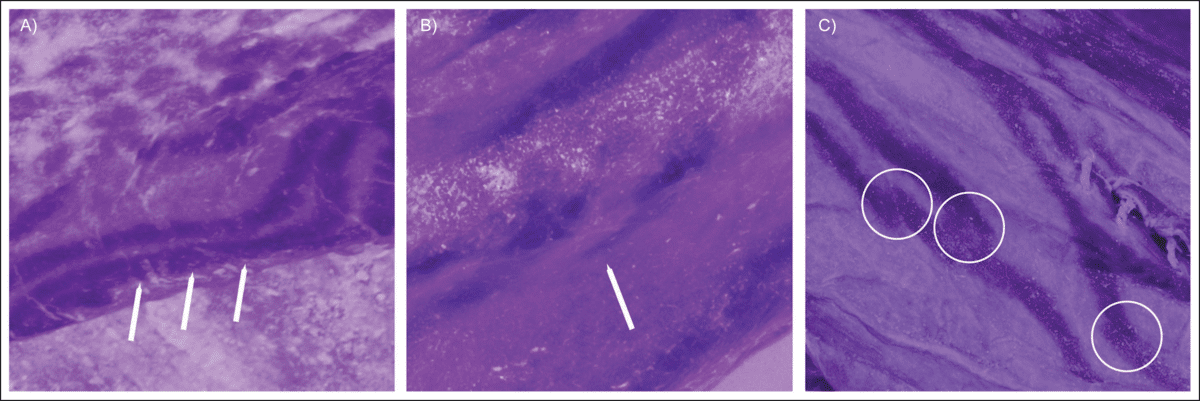
Creating tattoos in ancient times demanded considerable skill. The team’s analysis indicates the use of hand-poked tattooing methods, involving needles or similar sharp instruments to puncture the skin. Tattoo artist Danny Riday, collaborating on the project, noted:
“This study provides the first positive evidence that the Pazyryk tattoos were created by hand poking, and establishes the use of multiple tool types.” He added that, “It also reiterates the ability of Pazyryk tattooers, and establishes them as skilled craftspeople comparable to the Iron Age artisans who created Scythian textiles, wood, leather, and metal work.”
These discoveries confirm that Pazyryk tattoo artists possessed considerable expertise, rivaling modern practitioners. The sophistication of the patterns suggests a developed craft honed through experience and dedication.
- Categories:
- News





0 comments
Sign in to Comment