
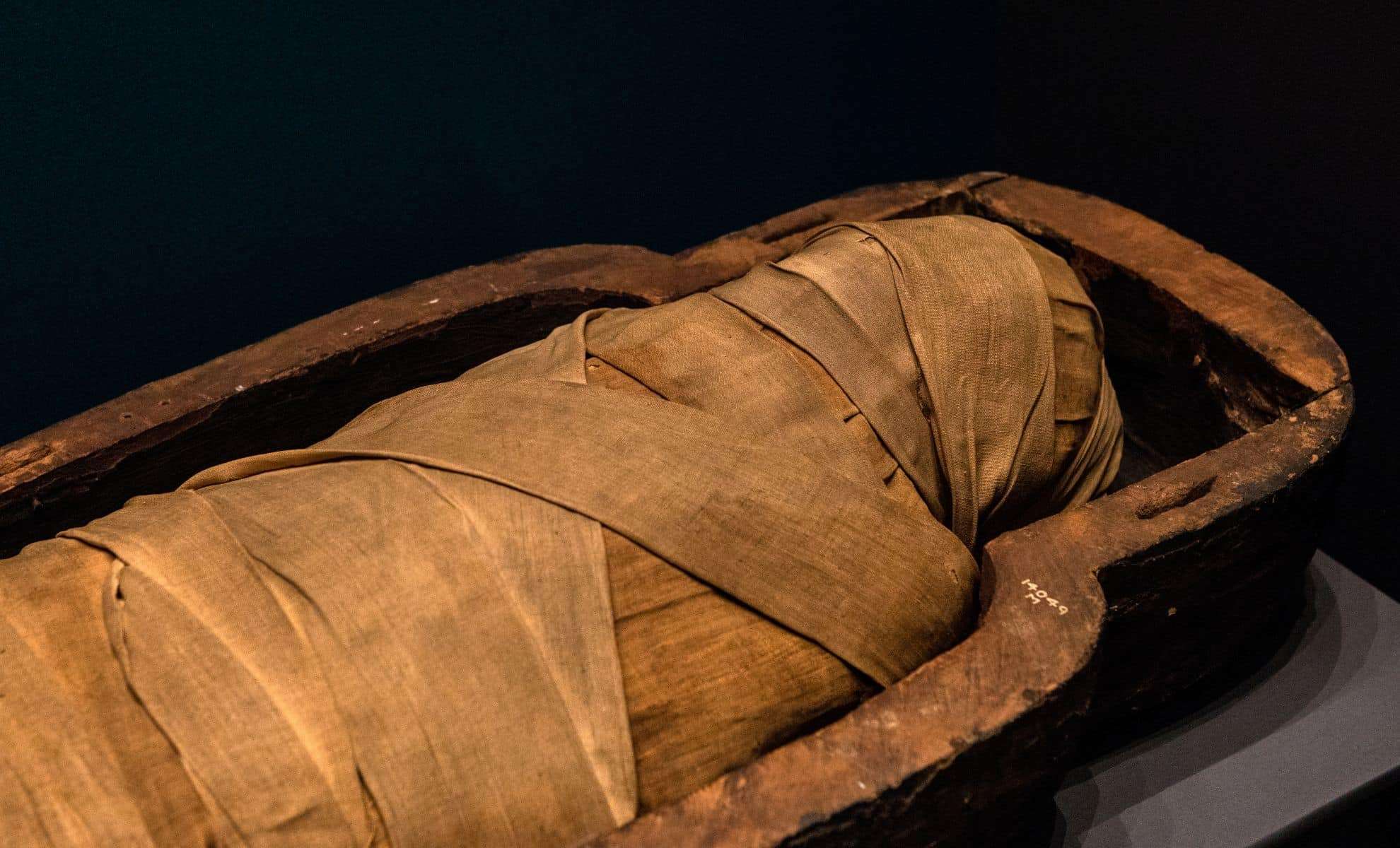
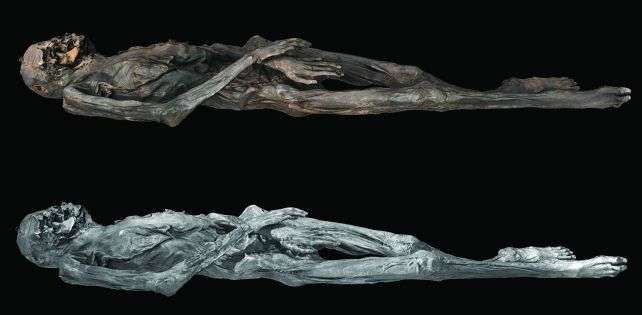
In a stunning archaeological breakthrough, researchers have unveiled a 2,000-year-old mummy from Siberia’s Altai Mountains, whose skin remains remarkably preserved thanks to the region’s persistent permafrost. The intact skin showcases intricate tattoos that offer unprecedented insights into ancient art.
Preservation Excellence in Siberia’s Altai Region
The Altai Mountains are famed for their significant paleoanthropological discoveries, notably the Denisova Cave, home to Denisovan fossils alongside traces of Neanderthals and early humans. This newly uncovered mummy belongs to the Pazyryk culture, an Iron Age nomadic Scythian group recognized for their influence across Eurasia’s vast steppes.
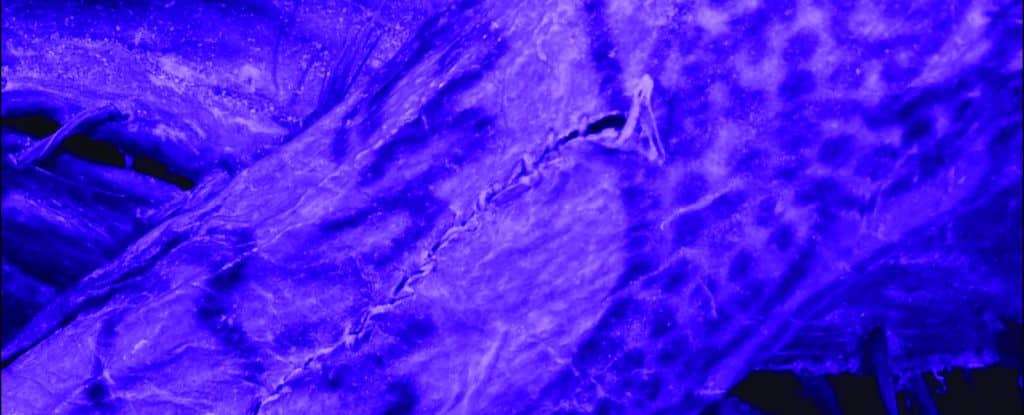
Thanks to the cold, stable environment of the Altai permafrost, the mummy’s skin has remained largely intact, allowing detailed examination of its tattoos. Employing digital near-infrared imaging alongside advanced 3D scanning technologies, scientists detected elaborate designs invisible to the unaided eye, refining earlier simplistic monochrome depictions and providing a clearer understanding of ancient tattoo artistry.

Ancient Tattoos as Evidence of a Skilled Trade
The research, spearheaded by Dr. Gino Caspari of the Max Planck Institute of Geoanthropology, revealed notable contrasts between the tattoos on the mummy’s left and right arms. While the left arm features simpler marks, the right arm boasts far more intricate and carefully applied images likely produced over multiple sessions. Caspari stated, “The tattoos of the Pazyryk people – Iron Age herders in the Altai Mountains – have fascinated archaeologists due to their highly detailed figurative patterns.”
Among the tattoos on the right arm are explicit portrayals of cats, a rooster, and two deer or similar hoofed animals, skillfully positioned to complement the body’s natural anatomy. Some aspects of these designs challenge replication, even with present-day tattoo equipment, underscoring their complexity.
Exploring the Individual Narratives Behind Ancient Tattoos
Dr. Caspari’s team worked alongside a contemporary tattoo artist, who evaluated the designs as a blend of technical prowess and personal style. Differences in the tattooing quality between arms may reflect either multiple artists with varying skills or the same artist’s growing expertise over time.
Caspari commented, “This investigation introduces a fresh perspective on recognizing individual creativity within prehistoric body modification methods. Tattooing in this context transcends mere symbolic ornamentation, emerging as a refined craft demanding technical knowledge, artistic sensitivity, and possibly formal training or apprenticeship.” He concluded that the research brought the creators of this ancient art remarkably close to the present, revealing their artistic journey including learning and imperfections. “The imagery truly comes to life.”
Insights into the Pazyryk Culture Through Tattoo Art
The results of this study challenge previous assumptions about tattoos in ancient societies. Rather than serving solely as symbolic identifiers, the tattooed skin of this Pazyryk mummy reveals a structured artistic tradition involving skilled labor and creative apprenticeship. Although the precise cultural significance of these motifs remains open to interpretation, the findings demonstrate the Pazyryk’s dedication to meticulous and purposeful tattoo craftsmanship.
- Categories:
- News








0 comments
Sign in to Comment