
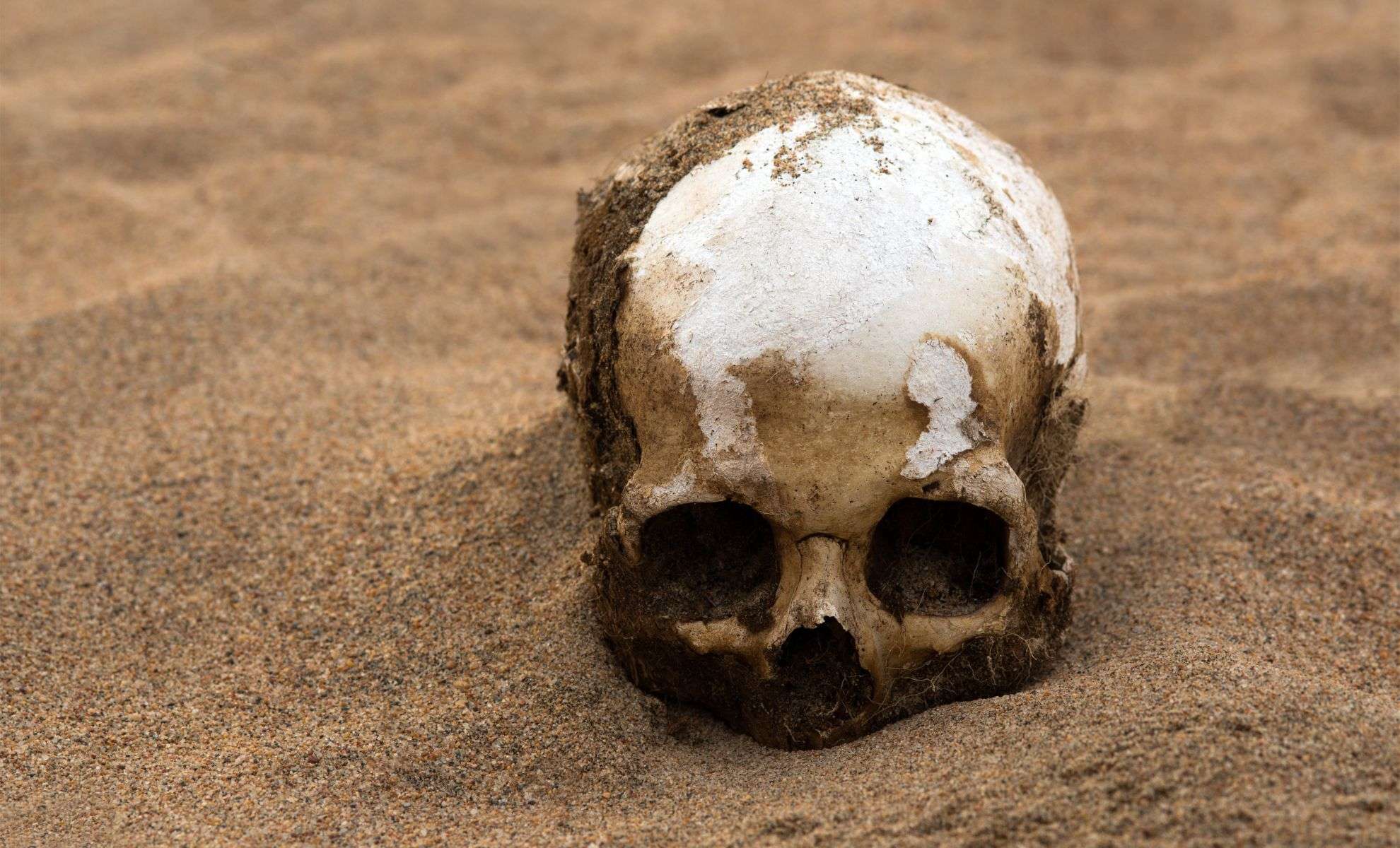
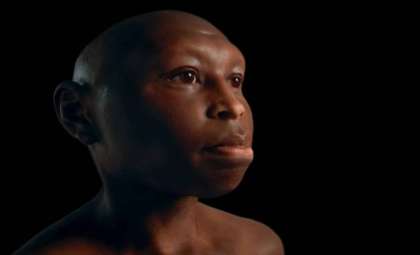
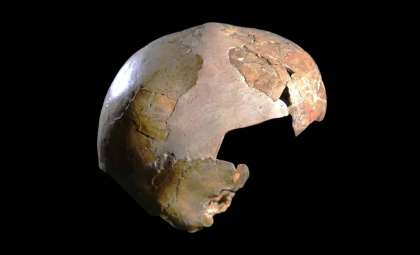
A fossilized skull found in central China dating back approximately one million years could dramatically shift our understanding of when modern humans first appeared. Previously categorized as Homo erectus, the specimen named Yunxian 2 is now believed to be part of a more advanced lineage, potentially linked to both Homo sapiens and the enigmatic Denisovans.
3D Technology Uncovers Unexpected Features
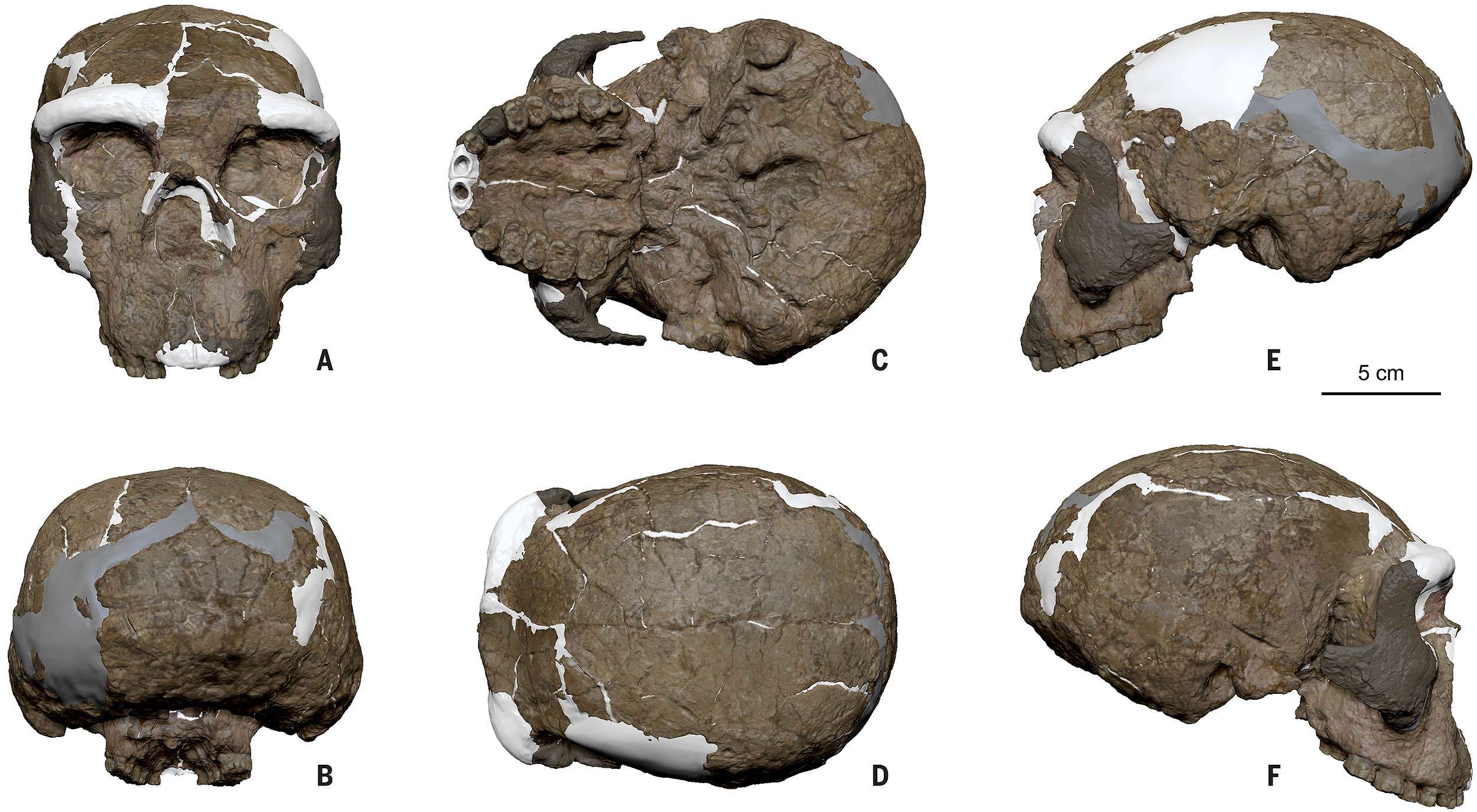
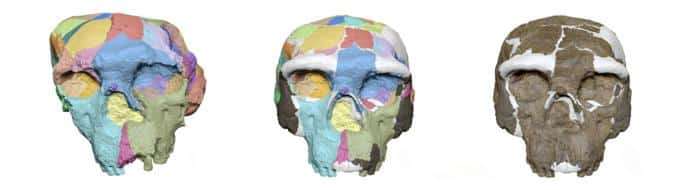
Buried within ancient river deposits in Hubei Province, the Yunxian 2 skull was initially dismissed due to damage. However, cutting-edge CT scanning and three-dimensional reconstruction techniques utilized by experts from Fudan University and London’s Natural History Museum have revealed new details. Published in Science, their findings highlight a fascinating blend of primitive and modern traits.
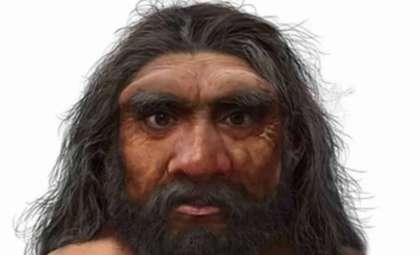
The elongated cranium shape and distinctive brow ridges are reminiscent of Homo erectus, but the pronounced cheekbones and broad nasal passage more closely resemble those seen in Homo sapiens. With an estimated brain capacity of 1,143 cm³, Yunxian 2 occupies an intermediate evolutionary position. This unique combination suggests it may represent a separate branch distinct from traditional Homo erectus.

Connections Within East Asian Fossils
Scientists have compared this skull against over 170 fossil samples, revealing strong affinities to other East Asian finds such as Harbin, Dali, and Jinniushan. Collectively, these fossils form a cluster now termed Homo longi.
This grouping is particularly significant as Homo longi is thought to be closely related to the Denisovans, a mysterious ancient lineage known predominantly from DNA traces discovered in Siberia.
Denisovan genetic markers persist in some modern human populations across Asia and Oceania, yet fossil evidence remains scarce. The Yunxian 2 cranium might be the most complete and oldest Denisovan-affiliated find to date. Lead researcher Professor Xijun Ni expressed surprise at the startling nature of the discovery.
“From the very beginning, when we got the result, we thought it was unbelievable. How could that be so deep into the past?”
Reevaluating Human Evolution Timelines
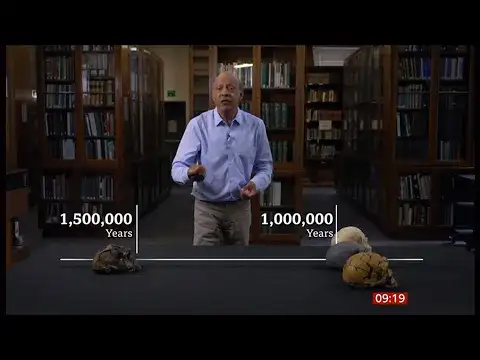
The team's evolutionary models suggest the last common ancestor shared by modern humans and Denisovans existed around 1.32 million years ago. The branch leading to Homo sapiens might have emerged approximately 1.02 million years ago, while Neanderthals could have diverged even earlier, near 1.38 million years ago.
These estimates considerably predate widely accepted timeframes, which place the emergence of modern humans at roughly 300,000 years ago. If validated, this indicates that Homo sapiens, Neanderthals, and Denisovans coexisted for close to 800,000 years, representing a much longer period of overlap than previously proposed.
This updated chronology may also help clarify the so-called “muddle in the middle,” a term describing the confusion surrounding fossils dating from 800,000 to 100,000 years ago that don’t fit neatly into established human categories.
East Asia's Crucial Role in Human Ancestry
Historically, Africa and Europe have been the primary regions linked to human origins. East Asia was often regarded as a peripheral region or migration route. However, the discovery of Yunxian 2 refocuses attention on East Asia’s pivotal role.
The fossil reveals that ancient populations in this area experimented with diverse anatomical traits and brain development well before the rise of fully modern humans elsewhere. Professor Chris Stringer from the Natural History Museum emphasizes that this finding encourages the search for even older human ancestors.
“There are likely to be million-year-old fossils of Homo sapiens somewhere on our planet—we just haven’t found them yet.”
Nonetheless, some scientists remain cautious, noting that uncertainties in dating and genetic analysis mean more research is needed before the new timeline is definitively accepted.
- Categories:
- News



0 comments
Sign in to Comment