
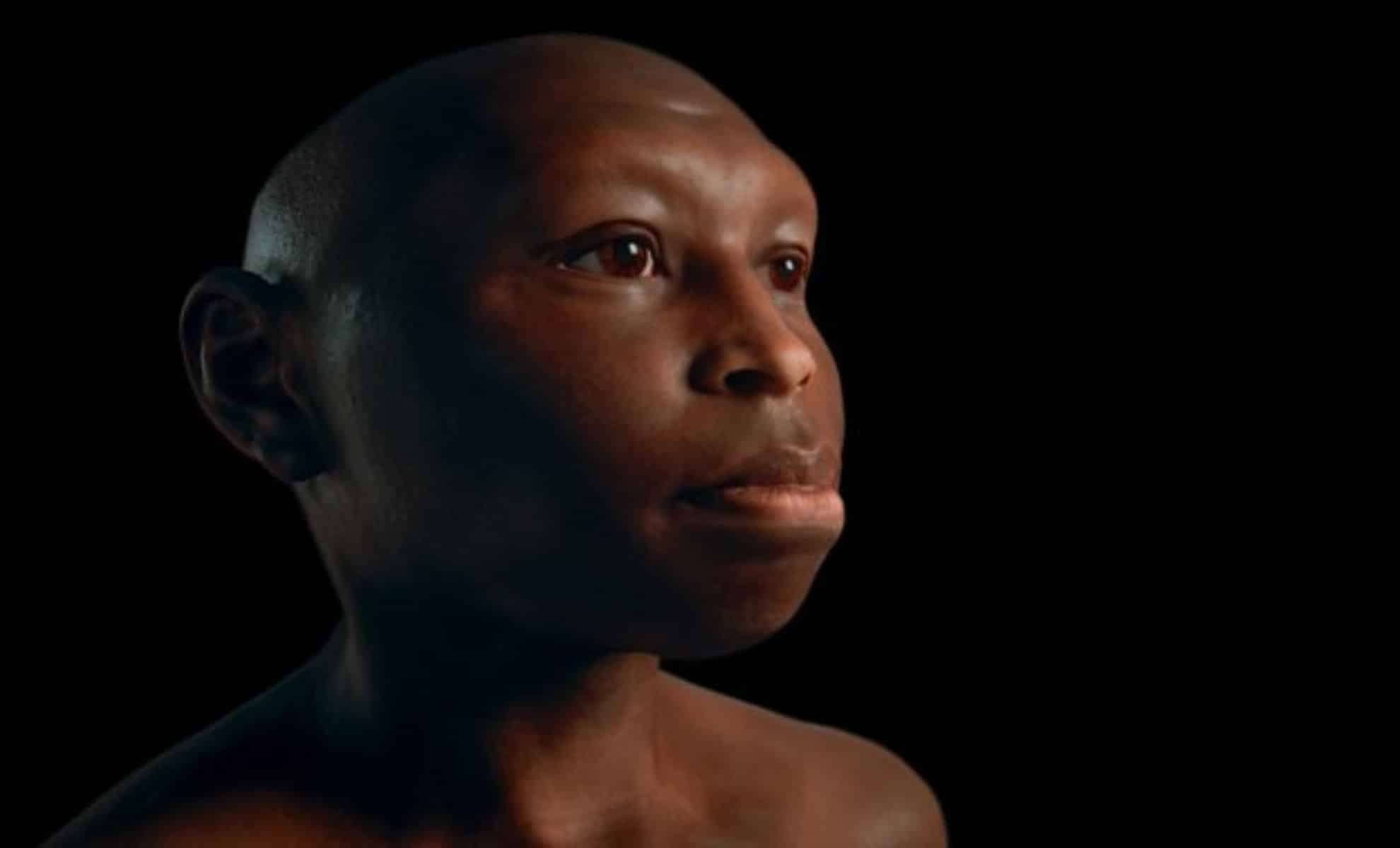
A captivating new documentary series named Human aims to vividly reconstruct the appearances of our ancient evolutionary kin. Utilizing advanced 3D facial imagery, the show presents lifelike depictions of three prehistoric human species: Homo floresiensis (also known as the “hobbit”), Homo erectus, and Neanderthals.
Reviving the Faces of Our Prehistoric Ancestors
The impressive three-dimensional portraits showcased in Human stem from in-depth scientific research paired with innovative technology. A collaborative effort between experts in science and digital artistry has brought these depictions to life, grounded in fossil evidence of species that once inhabited the planet alongside early humans.
As Ella Al-Shamahi, a paleoanthropologist and presenter, highlights, “These are the most scientifically accurate collection of hyper-real 3D models of human species ever put on TV that we know of.” The series documents human evolution over the last 300,000 years, tracing migration from Africa across continents.

An In-Depth Look at Key Ancient Human Species
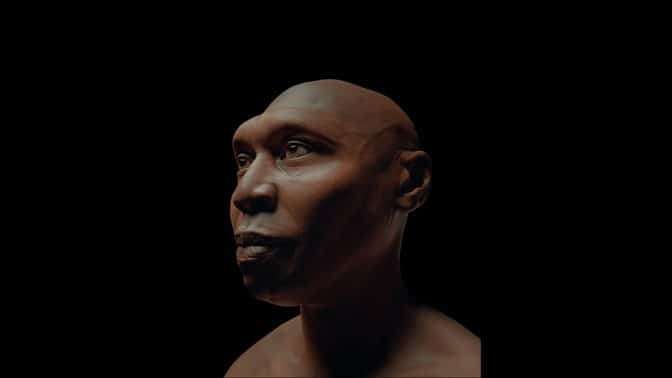
The Human series centers on three pivotal species in our evolutionary history: Homo erectus, Homo floresiensis, and Neanderthals. Homo erectus, existing from around 1.89 million to 110,000 years ago, was among the earliest to walk fully upright and is thought to be the first to harness fire.
The most striking reconstruction is that of Homo floresiensis, nicknamed the “hobbit” because of its small stature. Measuring approximately 3.5 feet tall, this species inhabited Indonesia’s Flores island as recently as 50,000 years ago. Despite their size, they skillfully crafted and used tools.
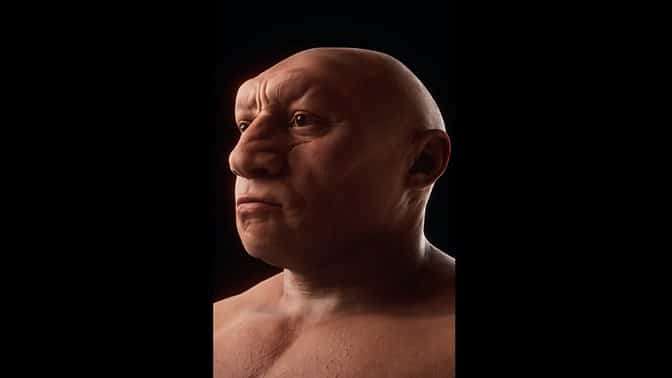
The depiction of the Neanderthal showcases a lighter skin tone, reflecting genetic data indicating adaptations to cold climates across Eurasia and the Middle East. These adaptations likely involved pigmentation that supported vitamin D synthesis in low sunlight environments.
The Science Behind the 3D Reconstructions
Building these realistic models demanded a complex and meticulous approach. Multiple cameras captured images of actors resembling the body types of ancient humans, which were then digitally combined to create precise 3D figures. These models were subsequently adjusted to portray the distinct anatomical traits unique to each species. The production team collaborated closely with scientific advisors to ensure every element—from facial structure to body size—was faithfully recreated based on cutting-edge fossil discoveries.
After initial creation, the team refined details such as eye and skin color. For example, Neanderthals are shown with pale skin aligned with genetic findings from ancient DNA analyses. This pigmentation choice reflects evolutionary advantages in sunlight-poor habitats to enhance vitamin D production.
A Must-See Exploration of Our Ancestral Past
The series invites viewers to experience the diverse environments and survival challenges that shaped early humans’ evolution. Complemented by the stunning 3D visuals, audiences will also learn about the habitats these species occupied and the creatures they hunted.
The documentary will premiere on BBC Two starting July 14 in the UK and be accessible through BBC iPlayer. U.S. viewers can catch the debut on PBS on September 17 at 9 p.m. ET/8 p.m. CT, with additional streaming options via PBS’s website and app.
- Categories:
- News













0 comments
Sign in to Comment