
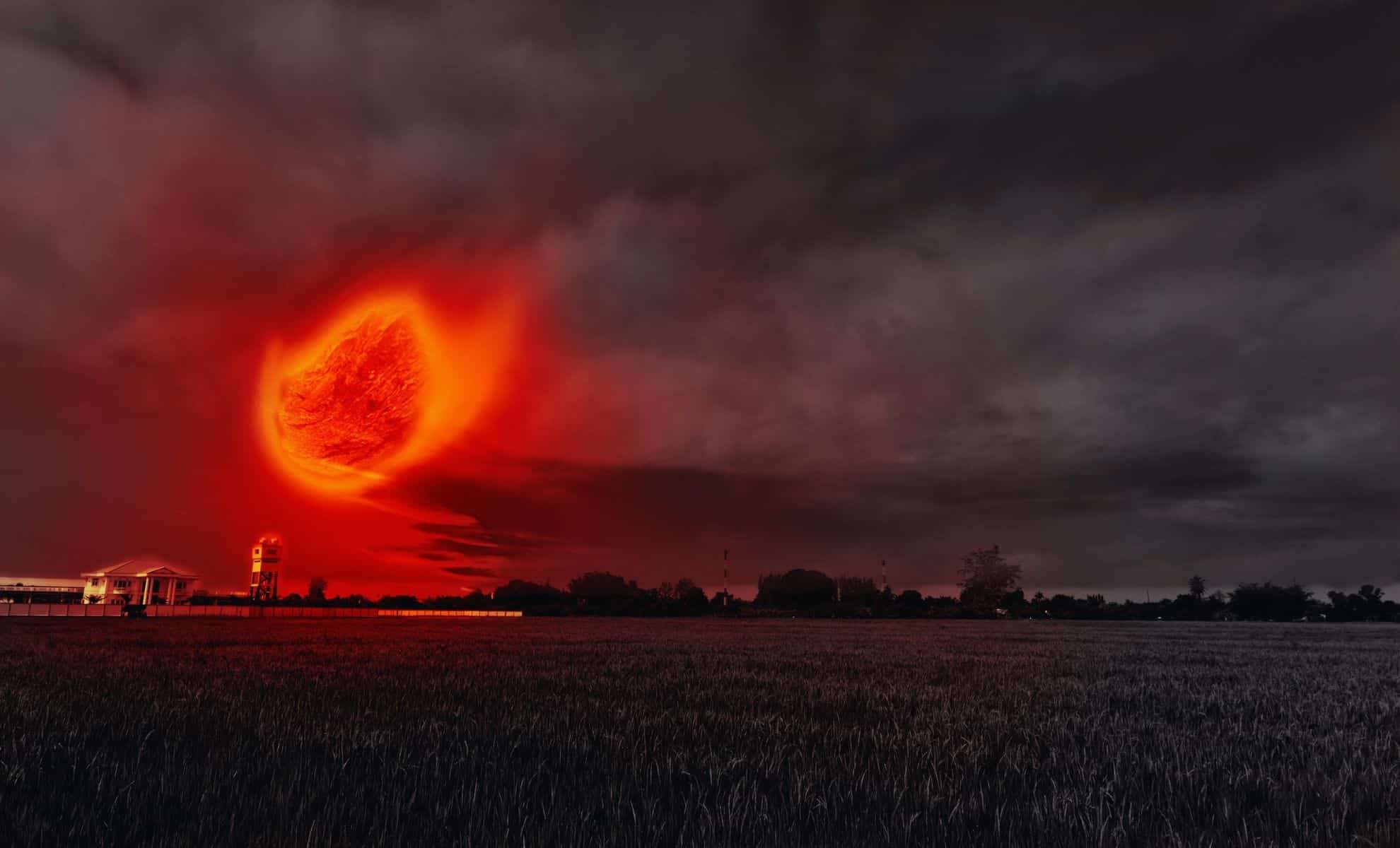
On June 26, 2025, an extraordinary cosmic event unfolded when a meteorite, predating Earth’s formation, penetrated the roof of a suburban house in McDonough, Georgia. This celestial fragment, having voyaged through space for billions of years, presents scientists with a unique chance to examine material originating before our planet existed. Researchers at the University of Georgia, led by planetary geologist Scott Harris, have designated the specimen the McDonough Meteorite, in honor of the location where it landed. This discovery reveals key information about the primordial conditions prevailing during the birth of the Solar System, bridging billions of years of cosmic history to our current world.
The McDonough Meteorite’s Extraterrestrial Voyage
As Scott Harris describes, “To fully unravel this meteor’s story prior to its descent in McDonough, we must investigate its composition and classify its asteroid family.” Far from an ordinary rock, this meteorite is a remnant of an extensive celestial phenomenon dating back centuries. Analysis identified it as an L-type ordinary chondrite, a stony meteorite formed approximately 4.56 billion years ago during the early Solar System’s evolution.
Having undergone a dramatic collision event that altered its path, the meteorite spent millions of years orbiting space before entering Earth’s atmosphere. Its extensive cosmic journey connects directly to the origins of the Solar System, offering scientists valuable insight into the interactions and movements of space objects in the distant past. Harris’ team employed advanced optical and electron microscopy to decode the meteorite’s features and trace its origins.

Tracing the McDonough Meteorite’s Source
The meteorite originates from the main asteroid belt, situated between Mars and Jupiter. Harris states, “It is part of an asteroid group within the main belt, linked to the fragmentation of a much larger asteroid around 470 million years ago.” This ancient break-up produced numerous debris pieces, including the McDonough Meteorite, which eventually entered Earth-crossing orbits. Over millions of years, these fragments followed trajectories that intersected with Earth’s path, culminating in the meteorite’s dramatic entry.
Understanding this asteroid fragmentation is vital to comprehending how asteroid fragments interact and evolve. When large asteroids shattered, smaller pieces were scattered into orbits that occasionally cross Earth’s own. These interactions occasionally result in impacts like the McDonough Meteorite’s. This knowledge also illuminates the processes responsible for delivering extraterrestrial material to Earth, possibly influencing the development of Earth’s geology and the emergence of life-supporting elements.

The Meteorite Strike and Its Earthly Significance
The McDonough Meteorite’s impact on the Georgia home acts as a striking testament to Earth’s cosmic connections. Harris explains, “Following the fragmentation, some debris enters orbits that intersect Earth’s path, and over time, their solar orbit aligns with Earth’s orbit at the exact same place and moment.” This rare orbital coincidence allowed the meteorite to reach our planet. Its entrance produced a brilliant fireball visible to many local observers, marking a rare celestial spectacle.
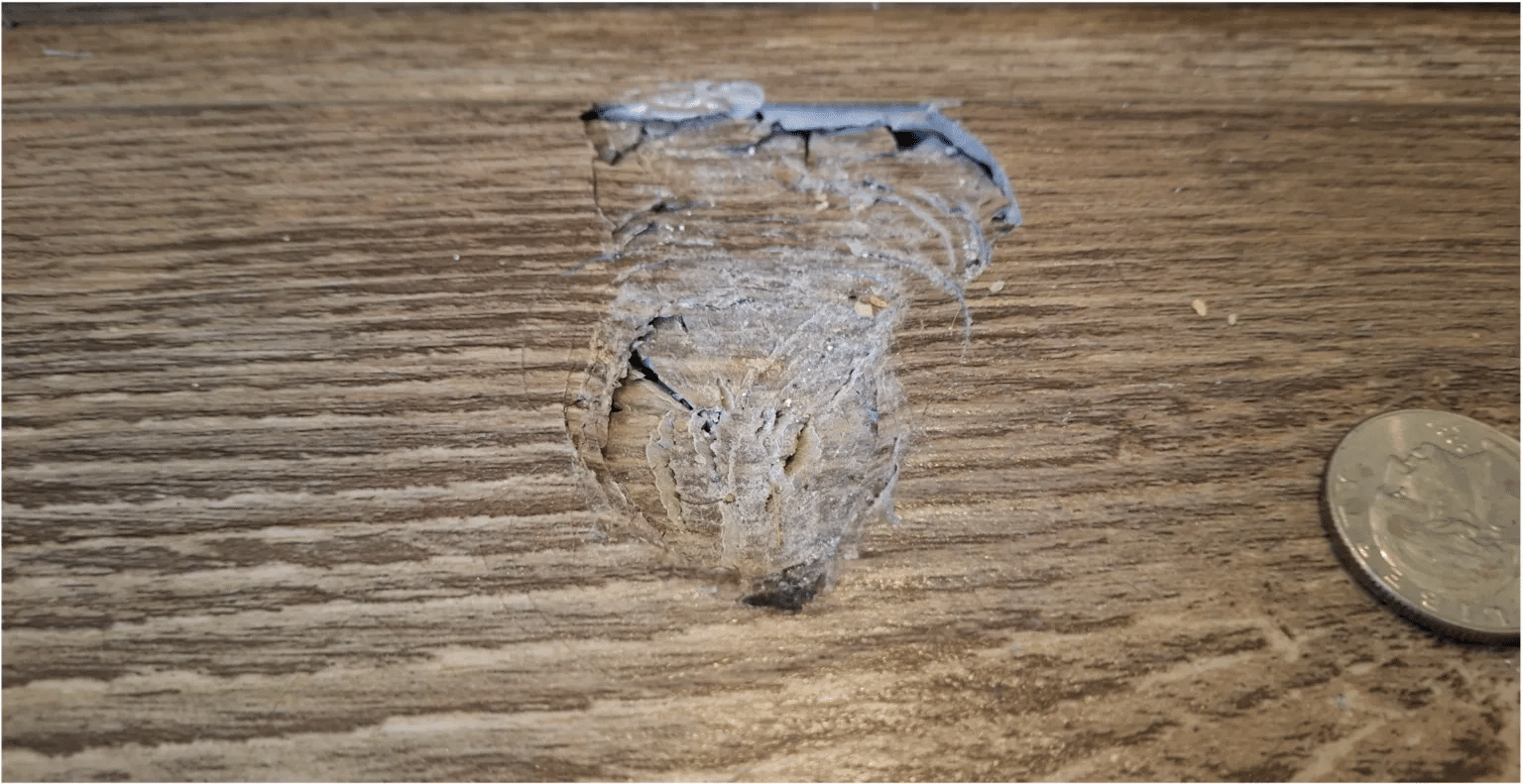
Upon entering Earth’s atmosphere, the meteorite’s surface heated intensely due to atmospheric friction, culminating in an explosive fireball. Ultimately, the meteorite crashed through the roof of the McDonough residence, creating a noticeable dent in the floor below. Scientists retrieved 50 grams of the meteorite from the site, providing crucial samples for further geological analysis.
- Categories:
- News











0 comments
Sign in to Comment