
Researchers in archaeology and evolutionary biology have identified fossilized avocado remains in Honduras, demonstrating that human cultivation of avocados began approximately 7,500 years ago.
Details of this finding were published in the Proceedings of the National Academy of Sciences, providing new perspectives on the ancient history of avocado domestication and its significance to human societies.
El Gigante: Site of Ancient Avocado Fossils
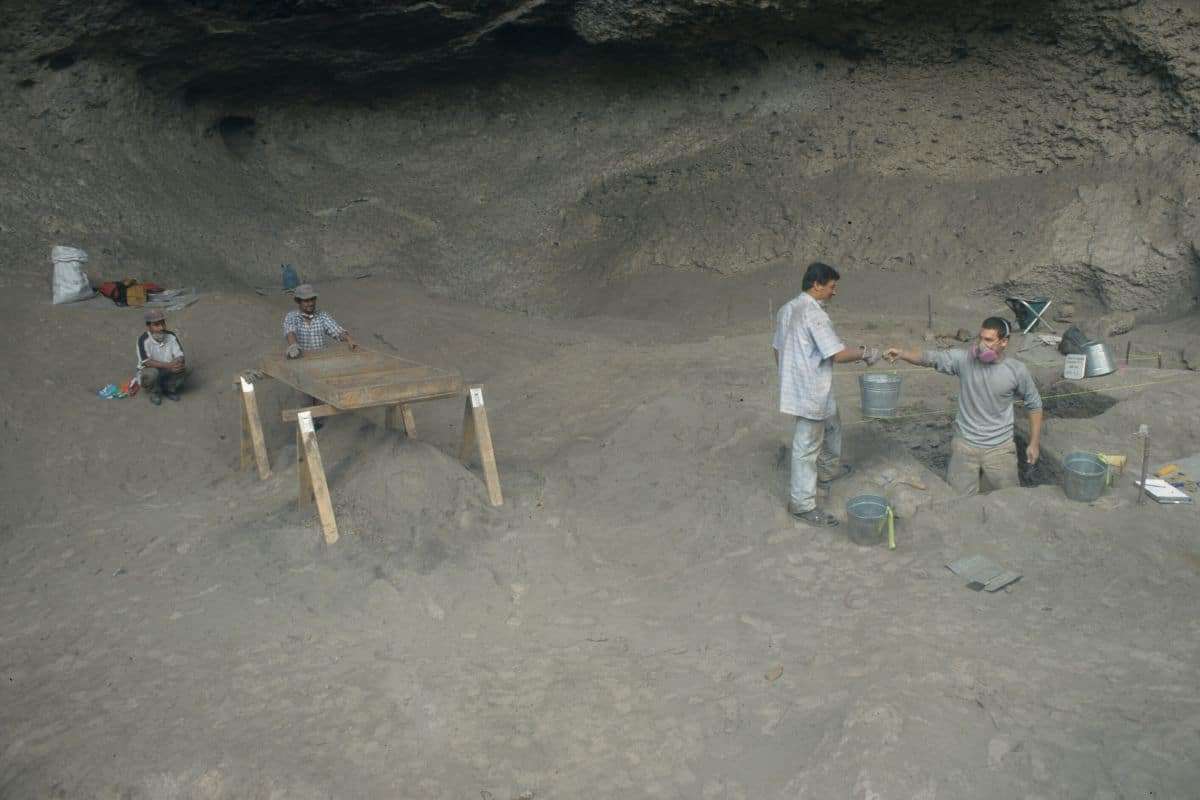
The fossils were uncovered at the El Gigante rockshelter located in western Honduras, where avocado fossils date back nearly 11,000 years. In total, researchers examined 1,725 fossilized avocado samples, noting morphological changes indicative of early agricultural practices by humans.
Avocados are believed to have first appeared around 400,000 years ago in the region now known as Mexico. Initially, their large seeds were dispersed by now-extinct megafauna, such as giant ground sloths and mammoths. After these animals vanished at the close of the Pleistocene epoch, avocado populations declined sharply.

Evolution of Domestication: Larger Seeds and Thicker Rinds
The study highlights that over thousands of years, avocado seeds increased in size and their rinds thickened, suggesting targeted cultivation by early humans who favored larger, fleshier fruits. This process likely began with the management of wild avocado trees, progressing to the deliberate planting of seeds from superior specimens.
The earliest confirmed signs of domestication at El Gigante date to between 7,565 and 7,265 years ago, predating the cultivation of maize—one of Mesoamerica’s principal crops—by several millennia.
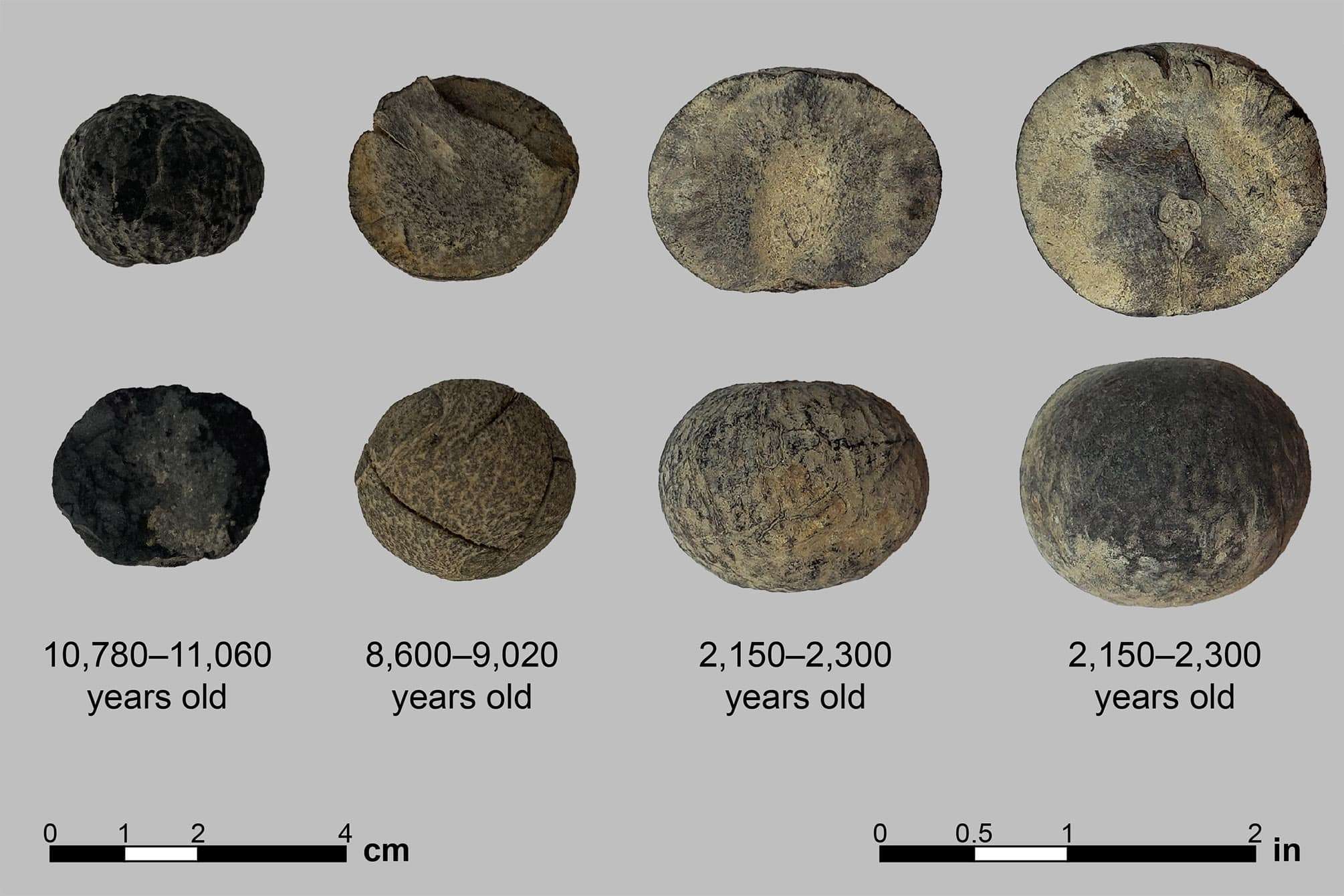
Growth in avocado seed size over time demonstrates selective breeding for larger fruits
Ancient Avocados as a Nutritional Powerhouse
The evidence of early avocado cultivation reflects their important role in prehistoric human diets. Rich in healthy fats, essential vitamins, and minerals, these fruits offered a vital energy source to ancient populations. Their high calorie content and adaptability to warm environments made avocados a dependable, nutrient-rich food staple.
The findings also reinforce the idea that early humans were instrumental in preventing the extinction of avocado species, ensuring their continued propagation following the loss of megafauna seed dispersers.
A Crop Cultivated Before Ancient Civilizations
The discoveries at El Gigante emphasize humanity’s longstanding impact on ecosystems through selective agriculture, occurring well before the emergence of momentous Mesoamerican cultures like the Olmecs, Maya, and Aztecs.
Although maize and beans are traditionally viewed as foundations of ancient American farming, this research positions avocado as one of the earliest domesticated tropical fruits.
The Enduring Impact of Early Avocado Cultivation
In modern times, avocados have become a globally popular food, enjoyed across numerous cuisines. Today’s varieties, including the widely consumed Hass avocado, owe their characteristics to thousands of years of human selection dating back to early Mesoamerican horticulture.
This breakthrough at El Gigante enriches our knowledge of avocado evolution and highlights humanity’s profound and lasting bond with essential plant species.
- Categories:
- News








0 comments
Sign in to Comment