
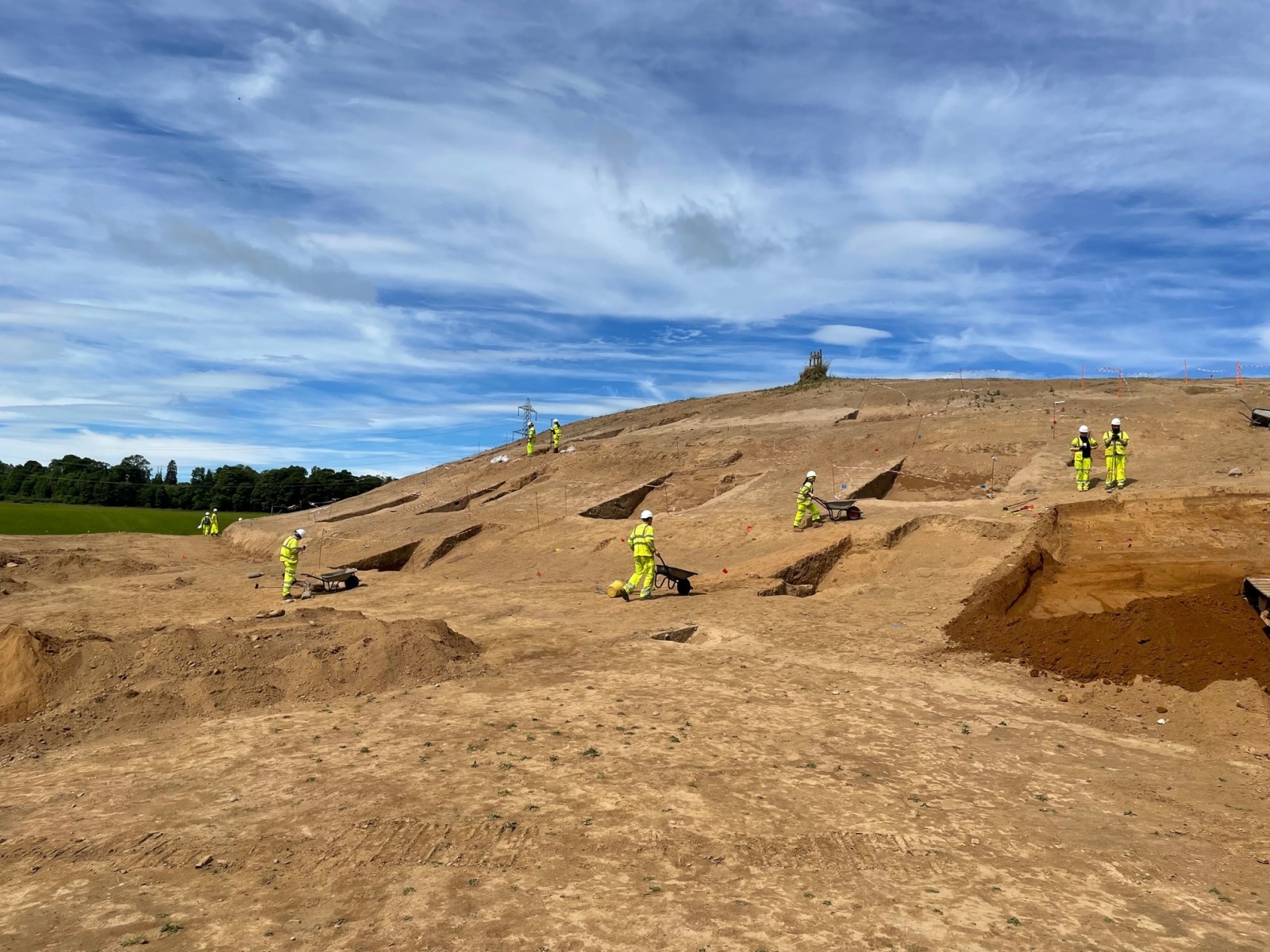
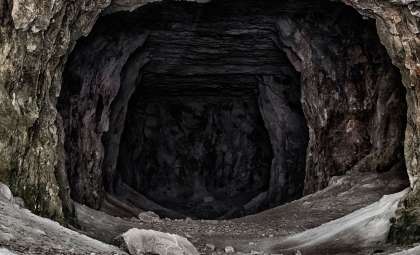
Construction work in central Scotland has led to a remarkable archaeological revelation: a subterranean stone chamber nestled within the remains of a 2,500-year-old Iron Age hillfort. Discovered during the excavation for the Cross Tay Link Road near Perth, this structure—known as a souterrain—offers fresh insights into the sophistication of ancient Scottish communities.
Although aerial photos from the 1960s initially indicated the presence of this site, centuries of farming had erased visible traces. When the £118 million road project commenced, archaeologists stepped in to investigate. Their work uncovered not just the basic outline of a long-lost fortification but also a complex underground feature extraordinarily well preserved.
The findings have been examined by GUARD Archaeology, in partnership with National Museums Scotland and experts from Glasgow and Stirling universities. Despite thorough study, the exact purpose of this underground chamber remains unknown, highlighting the many mysteries still surrounding the Iron Age.

Unveiling a Hidden Fort Beneath Future Infrastructure
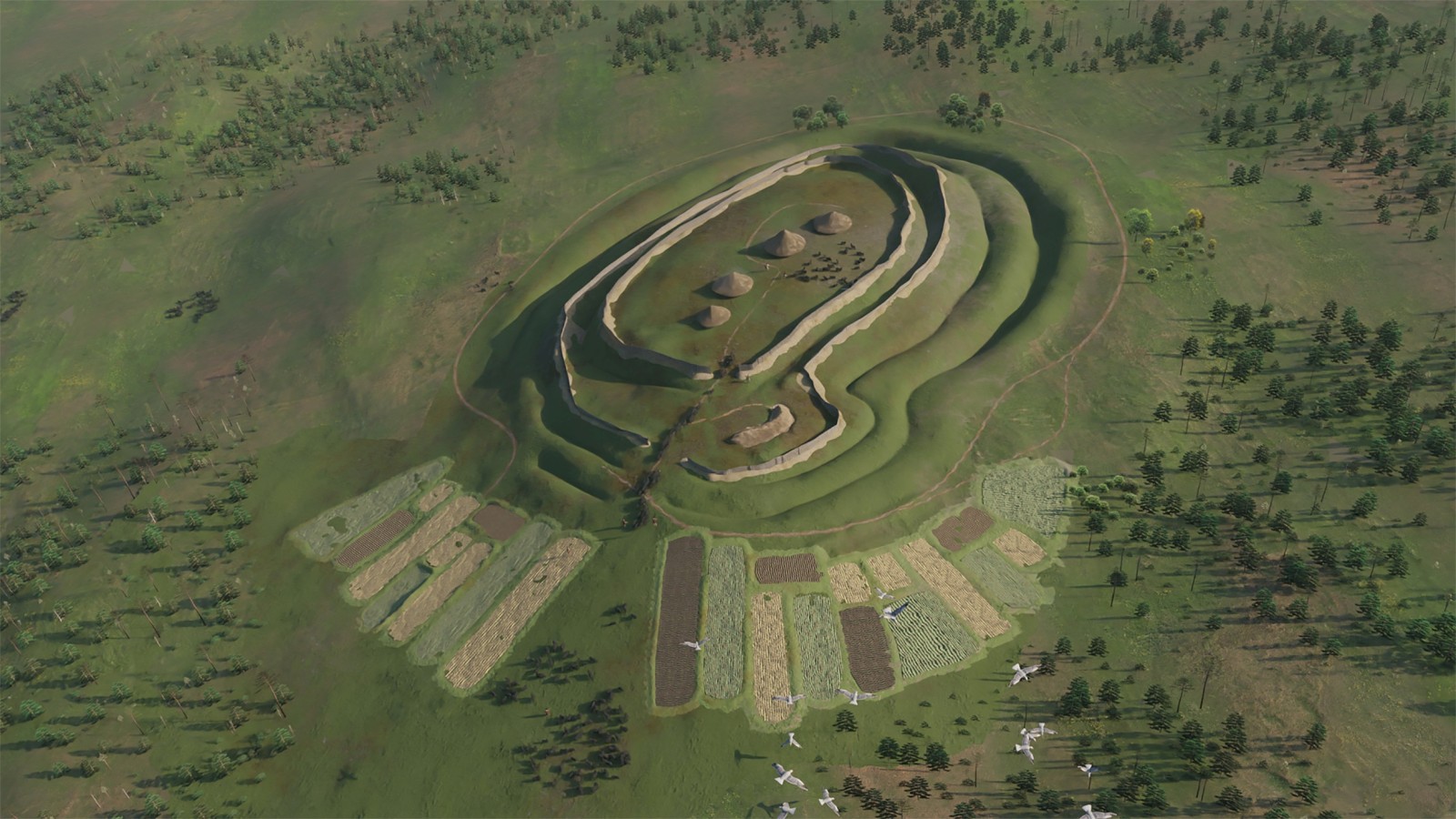
Now identified as Broxy Kennels Fort, the location had been concealed beneath farmland. GUARD Archaeology’s project officer Kenny Green noted that the fort’s discovery relied heavily on archival aerial images. “Without these photographs, the hillfort’s presence would have gone unnoticed, as centuries of agricultural activity had wiped away all surface indicators,” he explained.
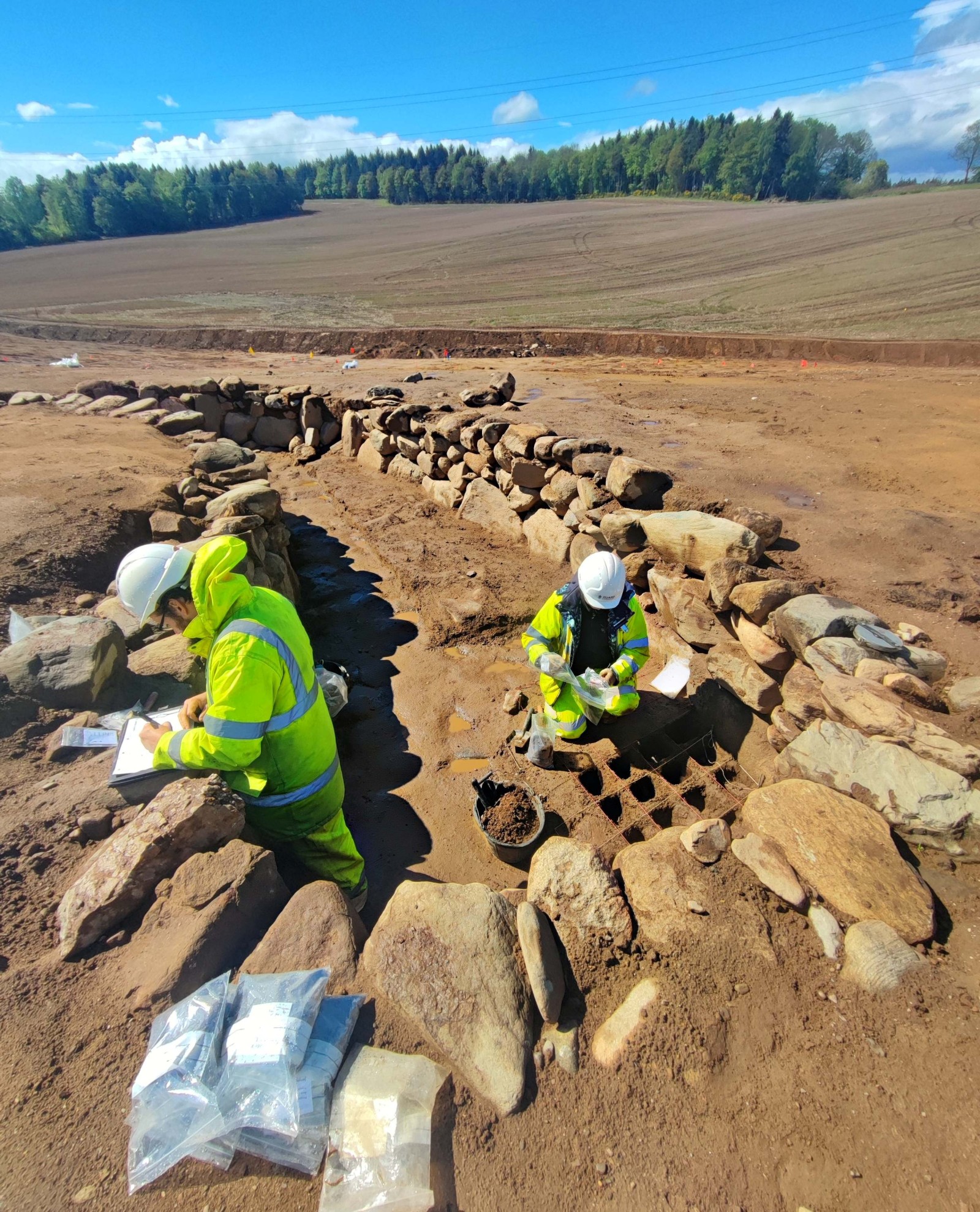
Radiocarbon dating places the initial occupation between 550 and 400 BC. This is supported by charred remnants of Iron Age roundhouses such as wattle panels and daub, discovered amid rebuilding phases. Positioned near a sharp bend in the River Tay, the fort likely offered strategic oversight and controlled movement along key north-south routes.
Green emphasized the site’s commanding location: “Broxy Kennels was probably selected due to its prominence on the landscape, strategically placed at a key bend in the River Tay, visible to travelers from both directions.”
The Mysterious Souterrain Explored
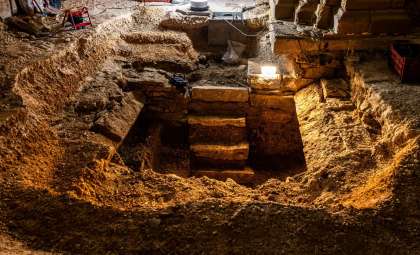
The underground chamber, constructed within a backfilled ditch around 400 BC, spans nine meters in length, four meters in width, and descends more than one meter deep. Its walls, reinforced with river stones probably taken from the Tay, surround an interior carefully paved with stone slabs.
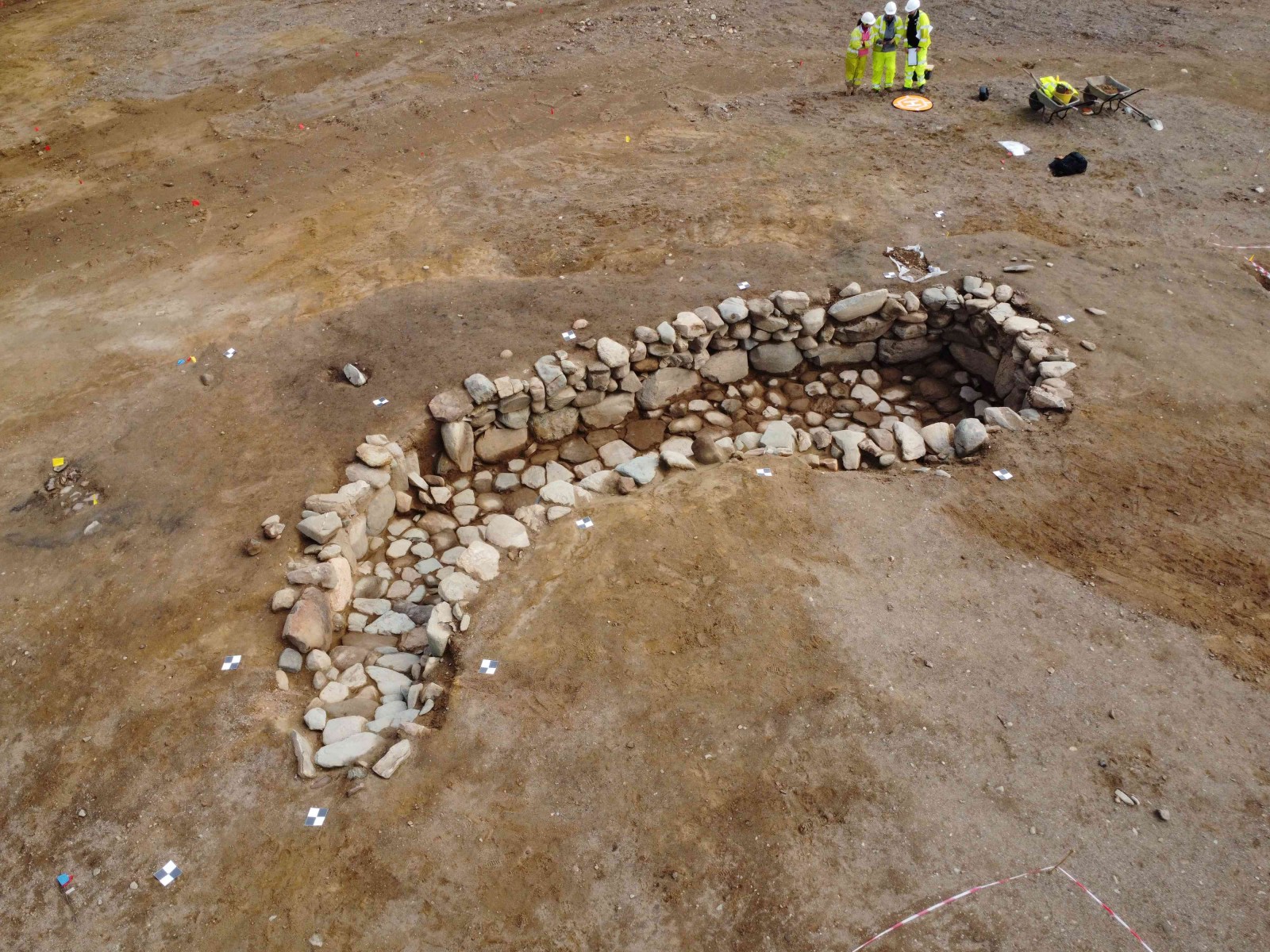
Souterrains in Scotland are relatively abundant, with around 200 documented sites, though such structures are virtually unknown in England. Their role, however, remains a puzzle. Researchers found some cereal grains on the chamber floor but in insufficient amounts to imply storage. Soil chemical tests have also failed to yield definitive clues.
Green admitted, “Even after detailed analysis, the souterrain’s true function eludes us.”
Instead of speculation, the team is investigating the souterrain’s architectural impact on the fort. The chamber’s construction led to significant alterations, including filling in a ditch and adding multiple defensive ramparts, indicating it played an important role during the fort’s later development stages.
Community Life and Final Abandonment at the Hillfort
Excavations also uncovered signs of Iron Age metalworking, such as bog ore, slag, and a vitrified tuyère—a nozzle component from bellows used in furnaces. Evidence points to at least two distinct periods of smelting, showing metalworking was central to the fort’s activities.
Postholes scattered across the site may correspond to former roundhouses, but centuries of ploughing have greatly eroded surface remains. “Only a few of the deepest postholes survive, making it challenging to fully reconstruct any buildings,” Green noted.
Occupation persisted until the late first century CE, shortly before the Roman occupation of Scotland. The reason for the fort’s eventual desertion is uncertain—whether caused by Roman incursions, environmental factors, or societal shifts—but no evidence points to continued habitation beyond that era.
- Categories:
- News









0 comments
Sign in to Comment