
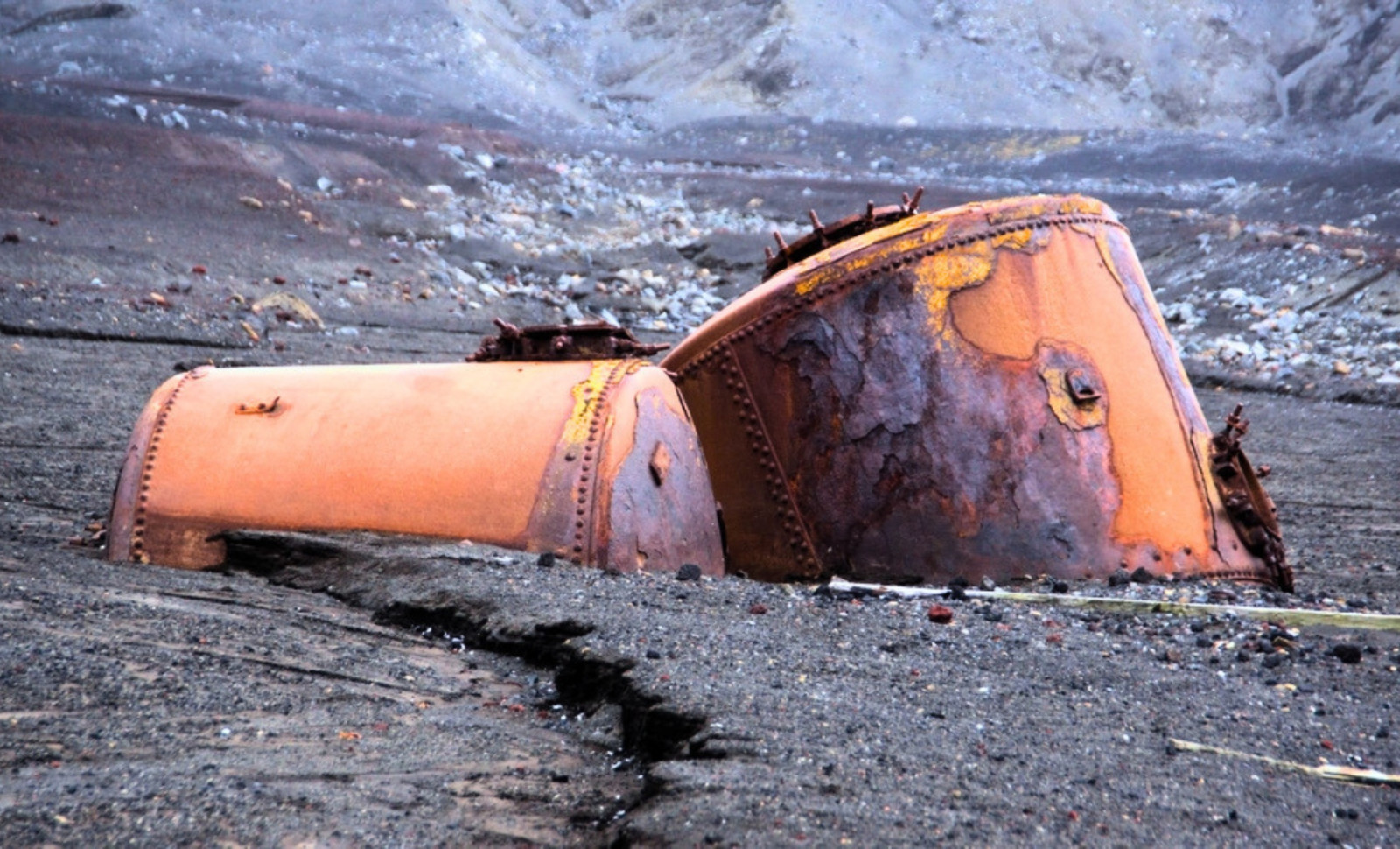
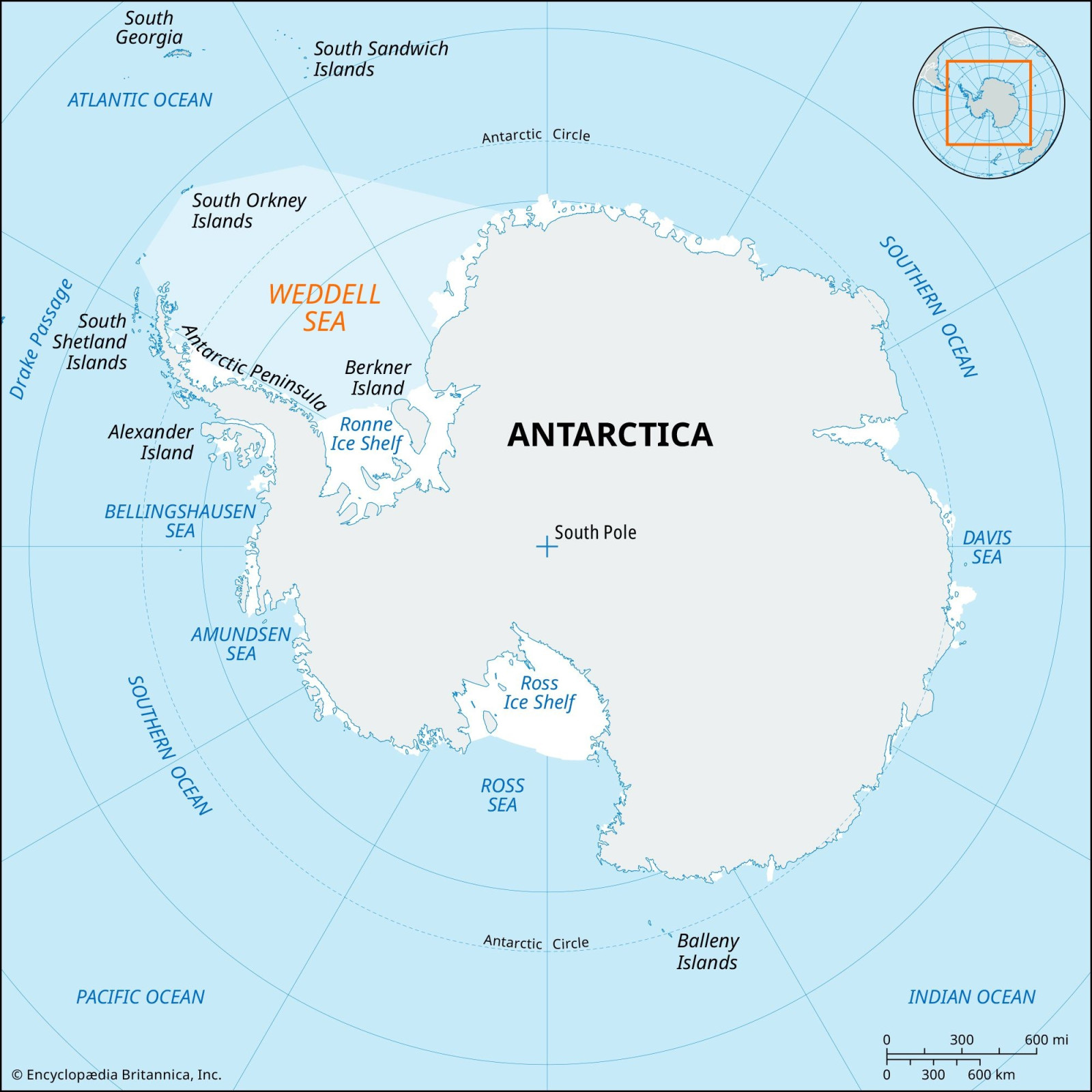
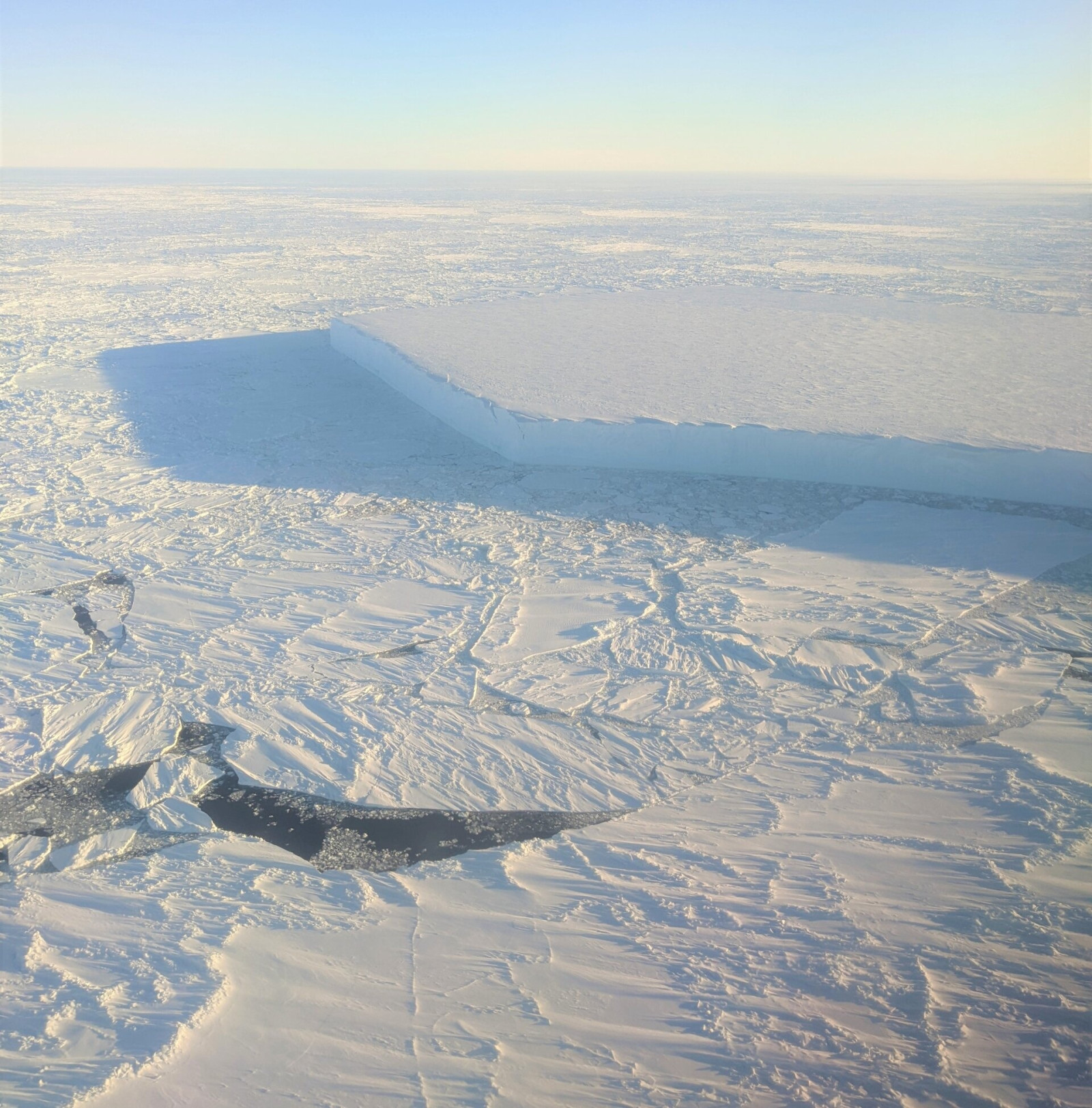
In the remote waters of the Weddell Sea near Antarctica, Russian research vessels have been utilizing seismic technology to probe beneath the ocean floor. Their investigations suggest an immense deposit of 511 billion barrels of oil, nearly twice the volume of Saudi Arabia’s confirmed reserves.
The British House of Commons Environmental Audit Committee received this information earlier this year, reigniting long-standing questions over territorial and resource rights. While Russia has made no territorial claim in Antarctica and the United Kingdom asserts its claim over the Weddell Sea—contested by Argentina and Chile—Russian vessels have persisted in conducting seabed surveys. This has led UK lawmakers to ask whether Russia’s operations are genuinely scientific or veiled resource prospecting.
The core issue touches upon the Antarctic Treaty, established in 1959 to ensure the continent is dedicated solely to peaceful and scientific pursuits. The treaty’s 1991 Environmental Protocol explicitly bans any mineral resource activities unrelated to scientific research. Russia is a signatory to both agreements.

Navigating the Boundary Between Exploration and Exploitation
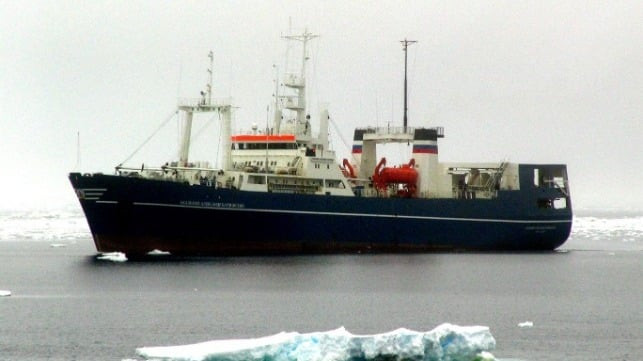
The seismic surveys were carried out by the Alexander Karpinsky, a ship operated by the Russian mineral exploration company Rosgeo during the 65th Russian Antarctic Expedition. Professor Klaus Dodds, a geopolitics expert from Royal Holloway, University of London, provided written evidence to the committee suggesting the surveys might constitute prospecting disguised as research, as detailed by Newsweek.
Seismic survey equipment uses sound waves to create maps of subterranean rock formations beneath the seabed. The tools employed are nearly indistinguishable whether the purpose is general geological study or oil exploration, making it tough to determine intent and challenging to build trust.
The treaty includes a mechanism for oversight. Article VII allows any member state to inspect the research stations and equipment of another signatory. So far, no nation has publicly exercised this right in response to the Weddell Sea seismic activities, but the option remains available if diplomatic tensions escalate.
Moscow’s Guarantees Face Scrutiny in London
David Rutley, a junior minister at the UK Foreign, Commonwealth and Development Office, informed the committee that Russia has reiterated its adherence to the treaty’s key provisions. Moscow insists that its surveying efforts are strictly for scientific purposes. Nonetheless, Rutley emphasized that Russia must be held accountable for its actions.
The Foreign Office clarified that Russia has consistently reported its initiatives as scientific at the Antarctic Treaty Consultative Meetings, and so far, no formal accusations regarding violations of the mining prohibition have been lodged against Moscow.
Despite these assurances, the committee heard warnings about broader implications. Professor Dodds highlighted that worsening Russia-West relations—exacerbated by the invasion of Ukraine—could intensify geopolitical rivalry potentially extending to Antarctica. The pressing concern is not immediate drilling but that information gathered under the guise of research might pave the way for resource exploitation if the treaty’s protections erode.
A Continent with Multiple Overlapping Claims
There are seven nations asserting territorial claims in Antarctica: Argentina, Australia, Chile, France, New Zealand, Norway, and the United Kingdom. The Antarctic Treaty effectively freezes these claims. Most countries, including the U.S., do not recognize any particular claim. Russia itself has no claim but operates five research stations on the continent.
The United Kingdom’s claim encompasses the Weddell Sea, which is also contested by Argentina and Chile. Historically, the treaty has kept these disputes under control. Still, experts are increasingly concerned that this delicate balance is undergoing subtle strain.
The committee also reviewed another significant event: in 2022, Russia and China jointly opposed proposals by other treaty members to expand marine protected areas around Antarctica. While neither nation has renounced the treaty or openly contested the mining ban, their growing presence strengthens their influence over treaty interpretation and enforcement.
Calls for Enhanced Transparency in Seismic Protocols
The forthcoming Antarctic Treaty Consultative Meeting is expected to deliberate on seismic survey guidelines and consider implementing greater transparency requirements. British authorities plan to keep a close watch on Russian activities even as they acknowledge Moscow’s stated intentions.
For the time being, Russian vessels are continuing their seismic mapping. Although no drilling has commenced, the treaty’s inspection rights remain on standby should member states find verification necessary.
While the moment to activate those measures has not yet come, recent discussions in London have clarified that this issue is very much real and pressing.
- Categories:
- News






0 comments
Sign in to Comment