
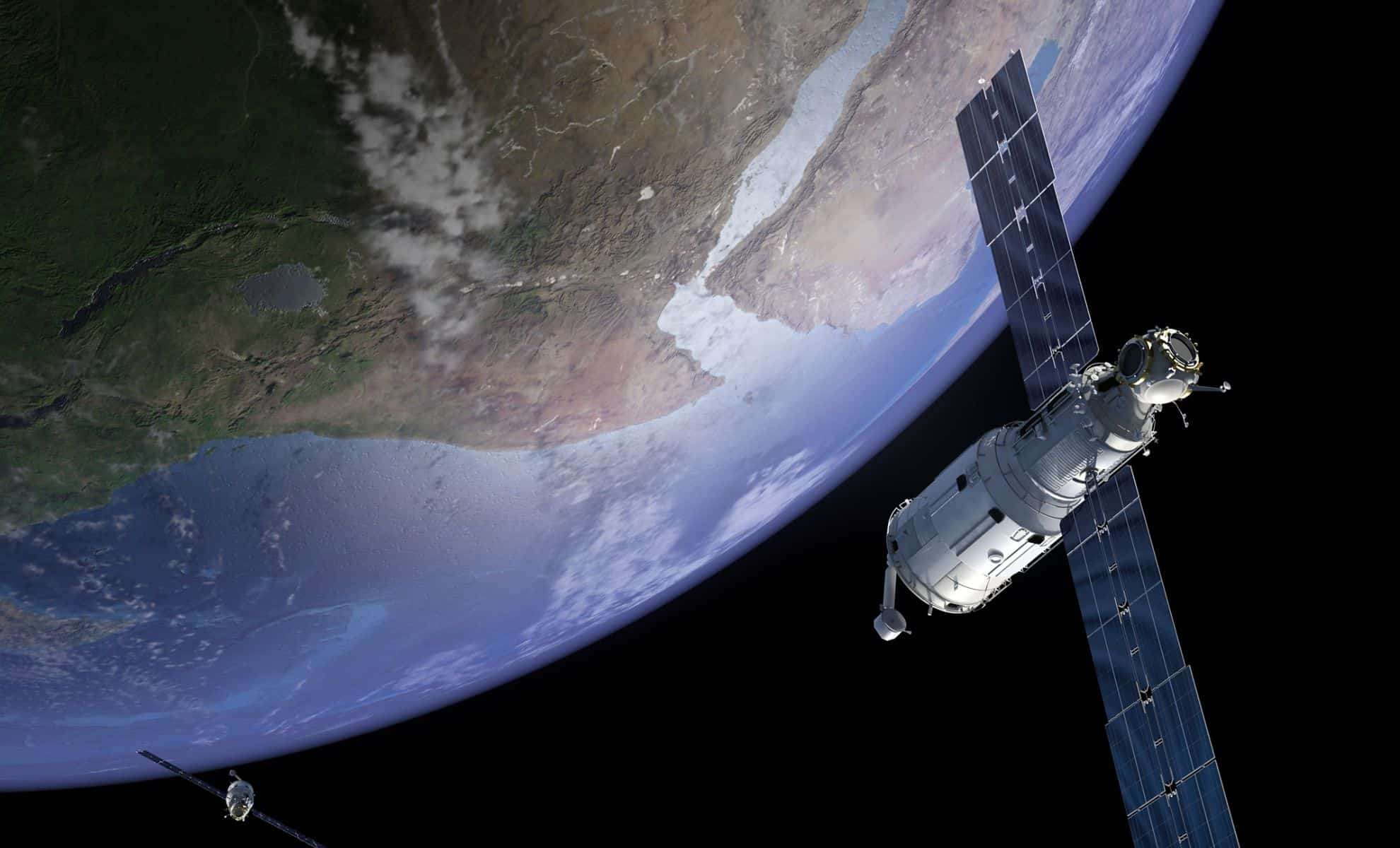
A recently launched Russian satellite has attracted attention due to its suspiciously close orbit alongside a U.S. surveillance satellite. Put into orbit on May 23, Cosmos 2588 is operating in a nearly circular path near USA 338, a U.S. government reconnaissance asset.
Cosmos 2588’s Close Orbit Sparks Concerns
Gizmodo reports that Cosmos 2588 travels in a slightly higher orbit compared to USA 338, coming within about 62 miles (100 kilometers) approximately every four days. This unusual proximity has analysts speculating that the Russian satellite might be purposely tracking or “shadowing” its American counterpart. The satellite tracking firm Slingshot Aerospace noted that such a tight formation “strongly implies COSMOS 2588 is actively monitoring or ‘chasing’ it.”
USA 338 is part of the National Reconnaissance Office’s KH-series constellation, designed for electro-optical reconnaissance. However, the exact purpose and capabilities of this satellite remain classified, adding to the intrigue about Cosmos 2588’s exact objectives. The possibility that this encounter is intentional has led to apprehension over Russia’s true goals in space.

Recurring Incidents Suggest Intentional Surveillance
Russia has a documented history of dispatching satellites that closely follow U.S. space assets. Earlier examples include an incident in April 2023 when a Russian satellite tracked a classified U.S. military satellite. Another case involved Kosmos 2558, launched in August 2022, which was positioned in the same orbital plane as the U.S. military satellite USA 326.
The repeated deployment of Russian spacecraft into orbits remarkably close to U.S. satellites is viewed by many experts as deliberate. Space situational awareness specialist Marco Langbroek emphasized, “This marks the fourth satellite launch in five years placing a Russian craft into a coplanar orbit with a U.S. optical reconnaissance satellite. It’s certainly intentional, not a coincidence.”
Enhancing Russia’s Counterspace Arsenal
While these orbital maneuvers have drawn attention from the U.S. administration, the latest event gains significance amid Russia’s ongoing anti-satellite (ASAT) weaponry development. In a highly criticized 2021 test, Russia destroyed a defunct Soviet satellite, generating thousands of hazardous debris fragments. This provoked international condemnation and a push by the U.S. and 154 other nations for a UN resolution banning such destructive tests. Russia and a few allied countries opposed the measure.
Against this backdrop, Cosmos 2588’s close approach to USA 338 might be part of a broader effort to perfect technology capable of disrupting or neutralizing satellites. Analysts warn that such proximity operations could presage more assertive counterspace tactics.
The Rising Risk of Space Conflict
This episode involving Cosmos 2588 and USA 338 highlights the escalating rivalries beyond Earth’s atmosphere. As space becomes increasingly militarized, countries are deploying sophisticated systems to observe, interfere with, or disable others’ satellites.
Although the U.S. has been measured in conducting its own ASAT tests, the recurrent close approaches of Russian satellites spur challenging questions about future space security. The growing frequency of near encounters raises the stakes, increasing the danger of accidental collisions or purposeful disruptions in orbit.
- Categories:
- News













0 comments
Sign in to Comment