
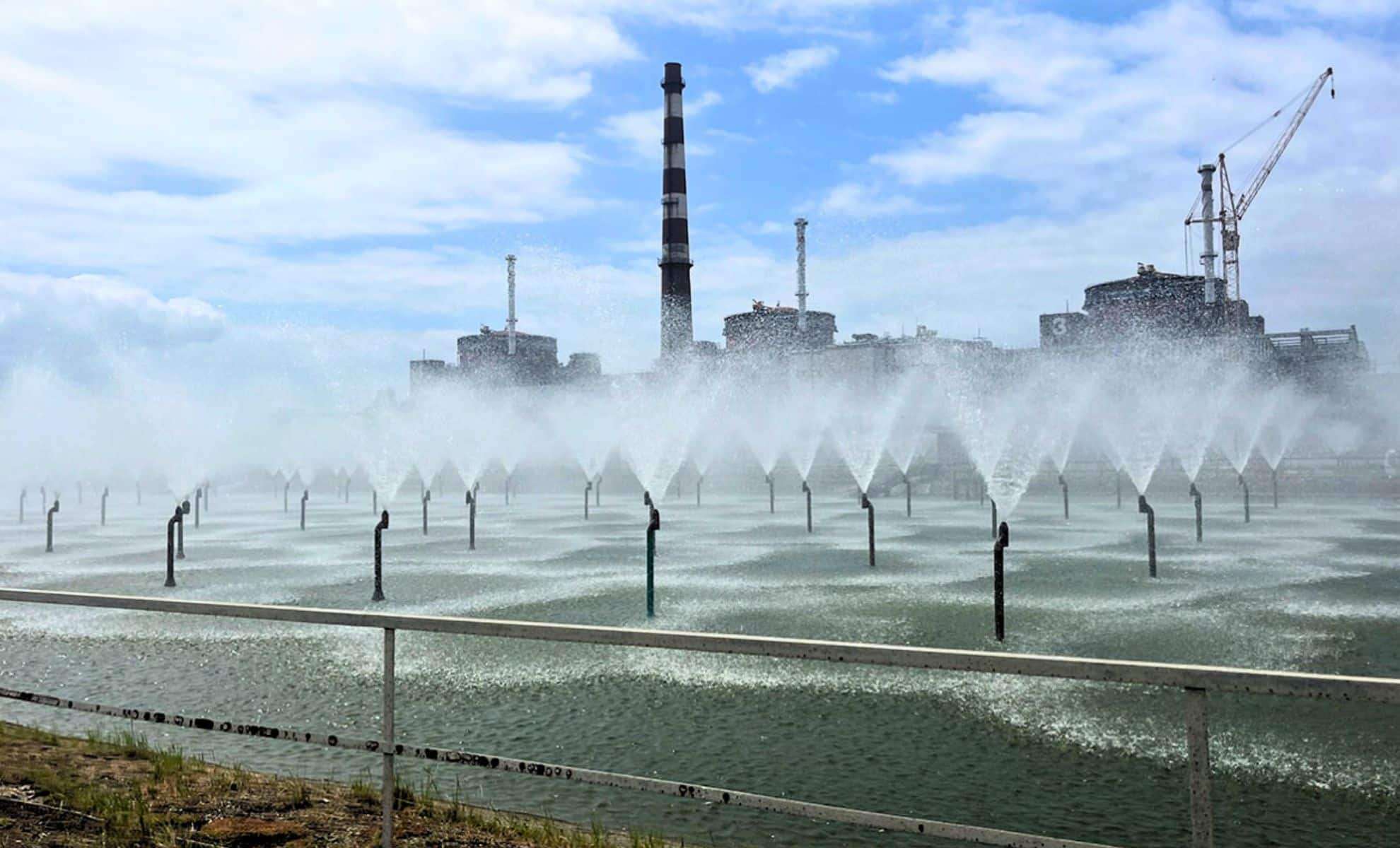
The Zaporizhzhia nuclear facility, recognized as the largest in Europe, has become a pivotal concern amid ongoing conflict, as it continues to be controlled by Russian forces over two years after the full-scale invasion of Ukraine. Captured shortly after hostilities began in February 2022, the site represents both a strategic asset for Moscow and a symbol of the complex contest involving Russia, Ukraine, and the United States.
An important site caught in conflict
On March 4, 2022, Russian forces took control of the Zaporizhzhia power plant, situated near the Dnieper River in southeastern Ukraine. Initial combat around the facility raised urgent fears of a nuclear disaster due to skirmishes inside its grounds. The plant’s capture was widely seen as a significant blow to Ukrainian defenses and a demonstration of Russia’s hold over crucial infrastructure.
Although Ukraine’s counteroffensive in the summer of 2022 pushed Russian troops eastward and shifted battlefield advantages, Russian control over Zaporizhzhia persists, locking the facility in a precarious standoff with far-reaching energy, economic, and political consequences.

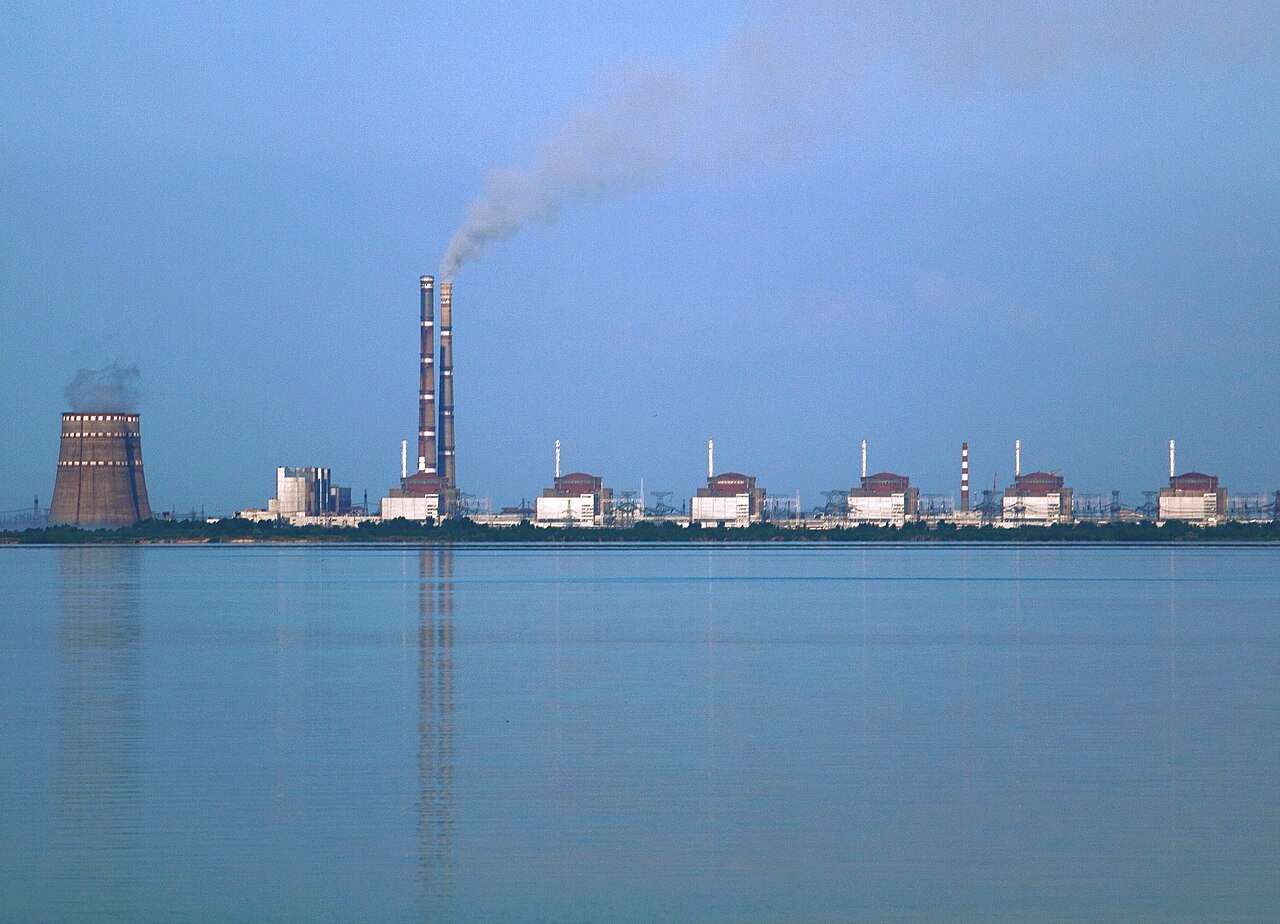
Growing U.S. interest escalates tensions
Beyond a military target, the plant has gained prominence in Washington’s diplomatic strategy, especially with Donald Trump resuming the U.S. presidency with ambitious promises.
Trump, who pledged to conclude the conflict "within 24 hours", views U.S. involvement in managing the Zaporizhzhia reactors as a path to global recognition and possibly a Nobel Peace Prize.
Reports indicate the Trump administration is exploring options to exert operational oversight over the plant’s six reactors, a move that has prompted concern in Kyiv.
While Ukraine has somewhat embraced foreign investments in its rare earth mineral industry, relinquishing control over a critical energy provider remains a contested issue.
Ukraine refuses to surrender energy control
For President Volodymyr Zelensky, handing over authority of Zaporizhzhia is an untenable political and economic concession. Since the war’s onset, Ukraine has lost close to 20% of its sovereign territory and sustained extensive infrastructural damage.
The loss of its largest nuclear energy complex would increase dependence on external sources and weaken Ukraine’s position in any future negotiations.
Meanwhile, Moscow remains inflexible. Following its unilateral annexation of the Zaporizhzhia region in October 2022, Russia continues to claim the area as an integral part of its territory, alongside other occupied regions, rejecting any near-term transfer of control back to Ukraine.
This deadlock exacerbates diplomatic stalemates, keeping the nuclear plant’s fate uncertain.
Community life overshadowed by nuclear risks
In the nearby city of Enerhodar—meaning "gift of energy"—the human toll is evident. The Zaporizhzhia plant, which once employed around 10,000 individuals, now operates with a diminished workforce of roughly 2,000.
The surrounding economy has been severely impacted by warfare, and prolonged ambiguity about the facility’s status hampers local prospects for recovery.
Adding to concerns is the looming threat of a nuclear accident. Although the reactors are in cold shutdown, Ukrainian technicians remain responsible for their safe maintenance, necessitating continuous power, which strains an already limited Ukrainian energy grid.
Without advancements in diplomatic efforts or assurances of operational safety, the plant’s current uncertain conditions increase the likelihood of a serious disaster over time.
- Categories:
- News









0 comments
Sign in to Comment