
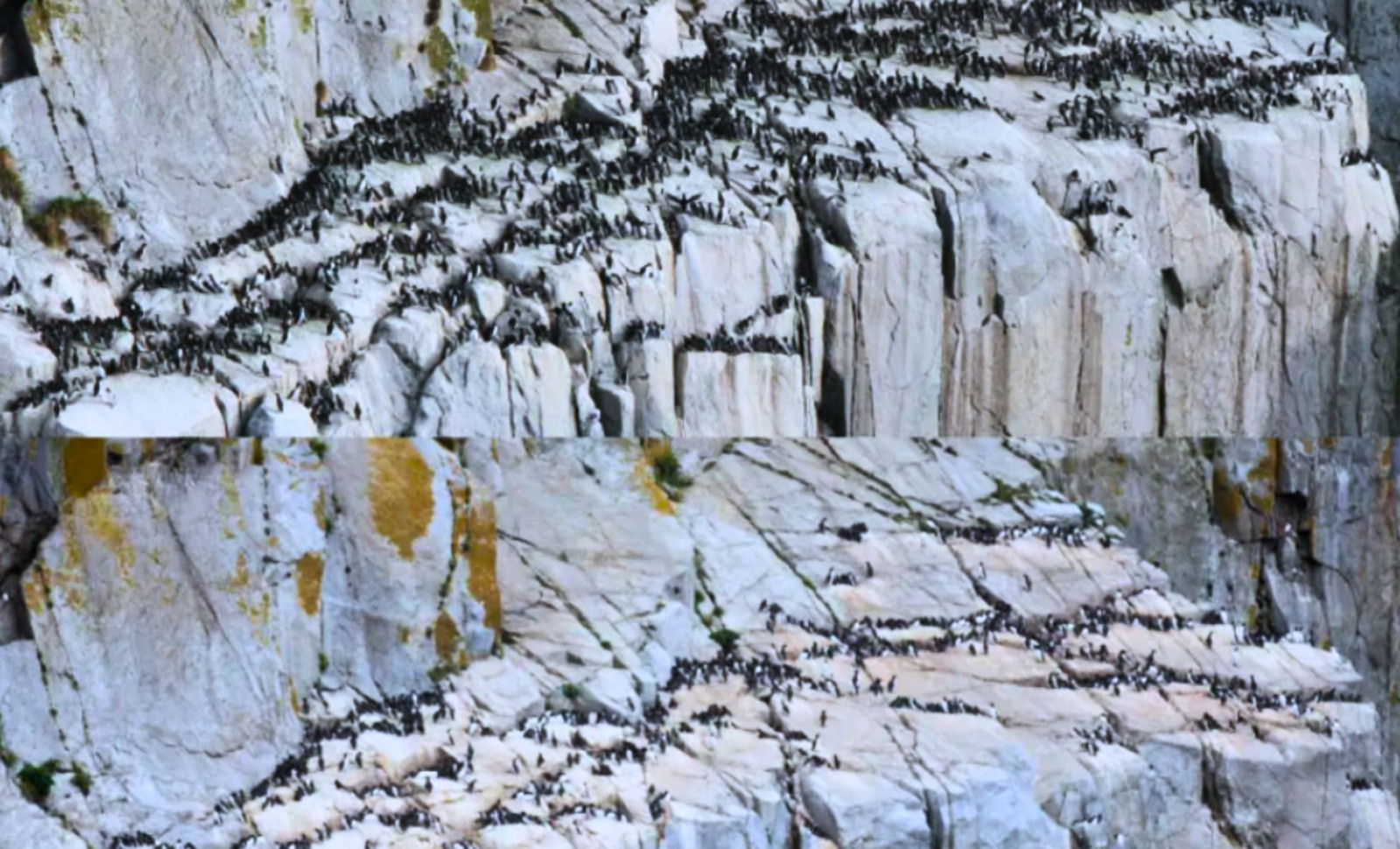
On the isolated cliffs of Alaska, summers used to be filled with the vibrant sounds of seabirds returning from their oceanic voyages. This natural event attracted researchers, bird enthusiasts, and local fishers who all recognized the seasonal patterns of the North Pacific. Gradually, however, this lively chorus began to wane.
By the closing years of the previous decade, research teams spanning thousands of kilometers reported a disturbing trend: empty nesting sites, quiet bird ledges, and disappearing murres. Entire seabird colonies in some locations had abruptly vanished. At first, investigators found no evidence of pollution, accidents, or disease responsible for the disappearance.
What was uncovered instead was a profound and persistent transformation in oceanic conditions far beyond a typical environmental incident. This prolonged shift disrupted the marine ecosystem dramatically, signifying not a transient change but a widespread collapse.

Unprecedented Decline in Seabird Populations
From 2015 to 2016, an estimated 4 million common murres (Uria aalge) vanished from their Alaskan breeding grounds. Investigators attributed this to an intense and sustained marine heatwave in the North Pacific, named “The Blob”. This mortality event marks the largest recorded die-off of a single vertebrate species in recent history, according to a 2024 peer-reviewed article in Science.
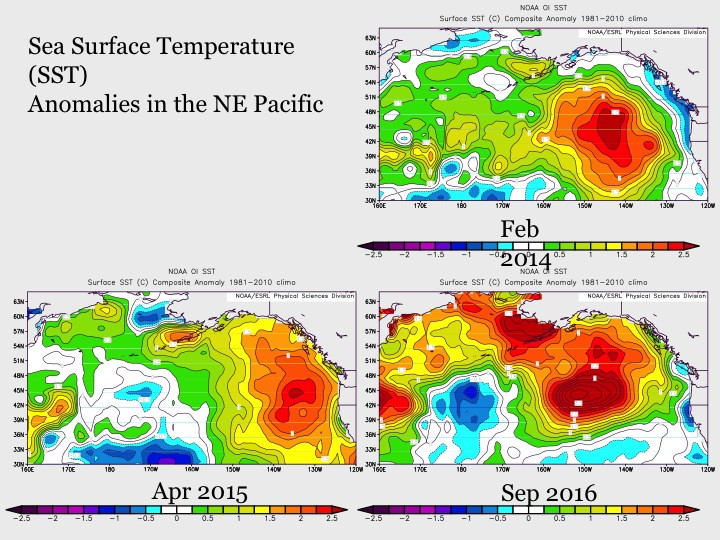
The marine heatwave caused ocean temperatures to rise by as much as 5.5°C in affected zones. This disrupted the foundation of the food chain. Key prey fish like capelin and sand lance, vital to murre survival, sharply declined. Since murres are expert deep divers dependent on nutrient-rich prey, the heatwave impaired their ability to obtain sufficient energy for breeding and survival.
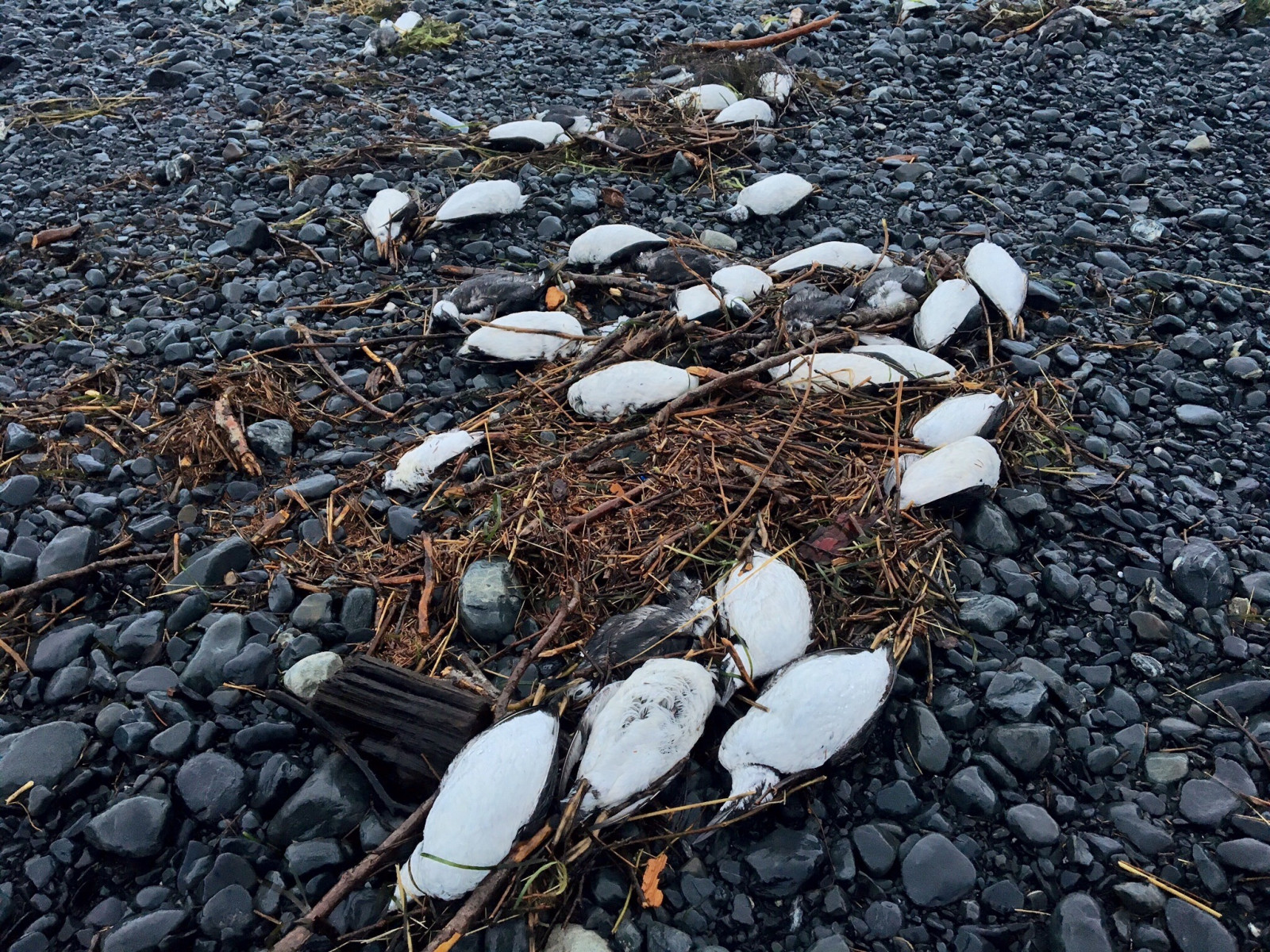
Comprehensive surveys of bird casualties and breeding data collected over multiple years and 13 long-term observation points facilitated precise mortality estimates. Although researchers found more than 62,000 dead murres washed ashore, the majority perished at sea. Data from 2015 to 2017 confirmed widespread failure to reproduce, with 22 monitored colonies experiencing total breeding collapse.
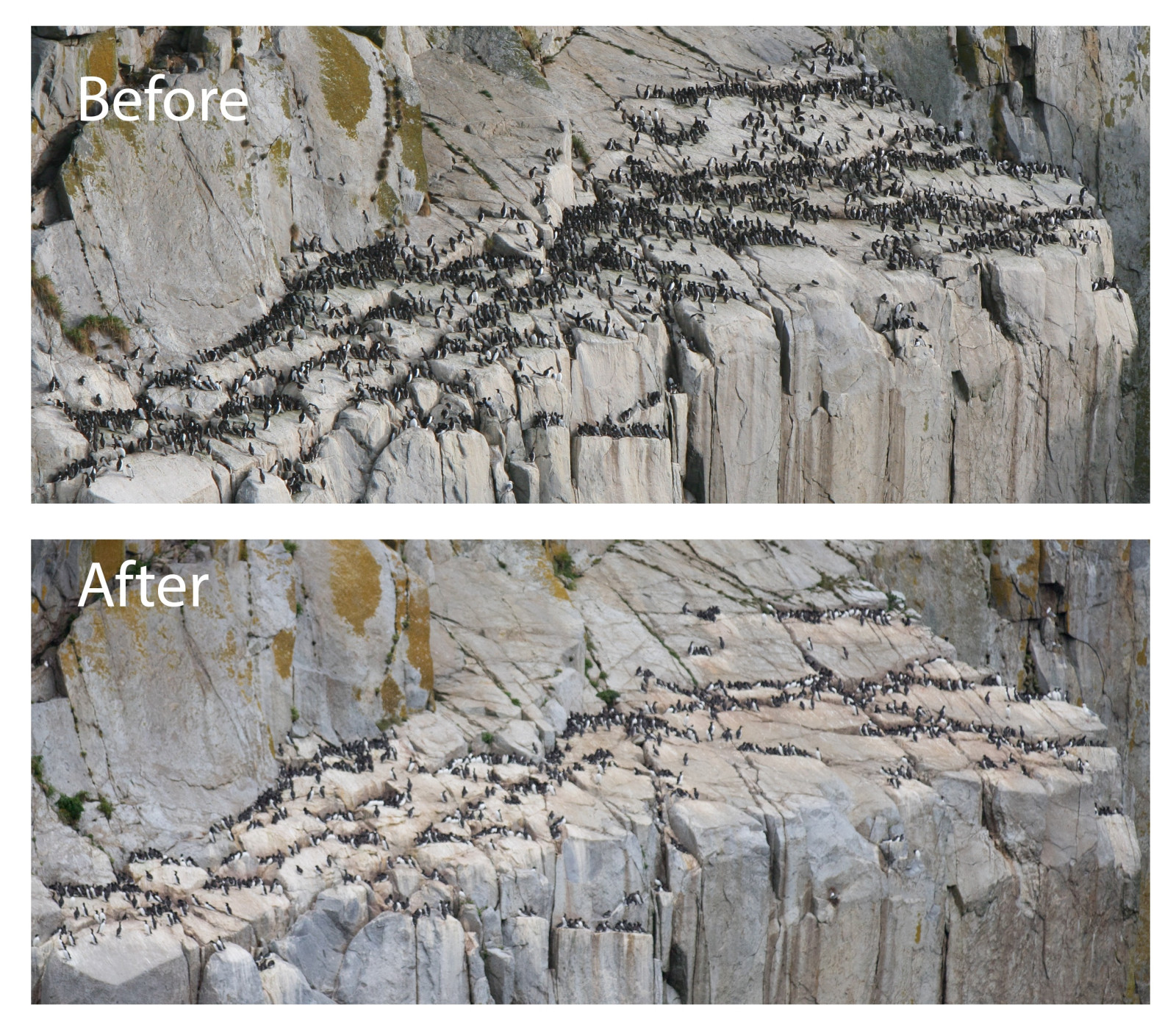
The long-standing seabird monitoring program led by the Alaska Maritime National Wildlife Refuge coordinated with the University of Washington, the USGS, and other partners. Breeding colonies, once home to hundreds of thousands of murres, are now maintaining alarmingly low numbers. Up to late 2025, none of the surveyed sites have shown signs of recovery.
Widespread Ecosystem Instability
The common murre die-off was just one consequence of the ocean heat anomaly. Pacific cod stocks plummeted by 80%, leading to temporary closures of major fisheries in the Gulf of Alaska. Other key forage fish, such as juvenile pollock and herring, also experienced steep declines. These shifts disrupted feeding patterns of apex predators including sea lions, whales, and sea otters, additionally impacting subsistence harvests within Alaska Native communities.
Investigation showed no traces of toxins, pathogens, or direct human intervention causing the mortality. Instead, changing ocean temperatures and altered circulation patterns likely sparked cascading ecosystem failures. Warmer surface waters restricted vertical nutrient mixing, diminishing plankton growth and reshaping food availability throughout the trophic levels.
Between 2017 and 2018, additional seabird deaths were recorded in the Bering and Chukchi Seas. Though not as extensive, these losses demonstrated similar vulnerabilities. The National Park Service cautioned that ongoing warm ocean anomalies may raise risks to other cold-water marine species. Some, like the thick-billed murres, displayed higher resilience, indicating that species’ thresholds differ depending on habitat and range.
Long-term monitoring revealed that population fluctuations once viewed as normal have now been replaced by continual declines across all sites. Scientists suggest the area’s capacity to sustain murres might have fundamentally changed.
Decades-Long Research Reveals Crisis Magnitude
The full extent of the seabird die-off only became apparent through detailed monitoring over many decades. Without consistent counts of colonies and breeding success, the crisis could have remained hidden. The U.S. Fish and Wildlife Service has tracked populations at over 20 core and 10–15 secondary locations, some monitored for over 50 years.
Monitoring efforts examined not only carcass discoveries but also breeding behavior, nest success rates, and dietary information for chicks. Initial estimates from 2020 suggested mortality between 500,000 and 1 million birds. Subsequent analyses expanded the impact by fourfold, confirming a total loss of 4 million murres spanning both the Gulf of Alaska and Bering Sea habitats.
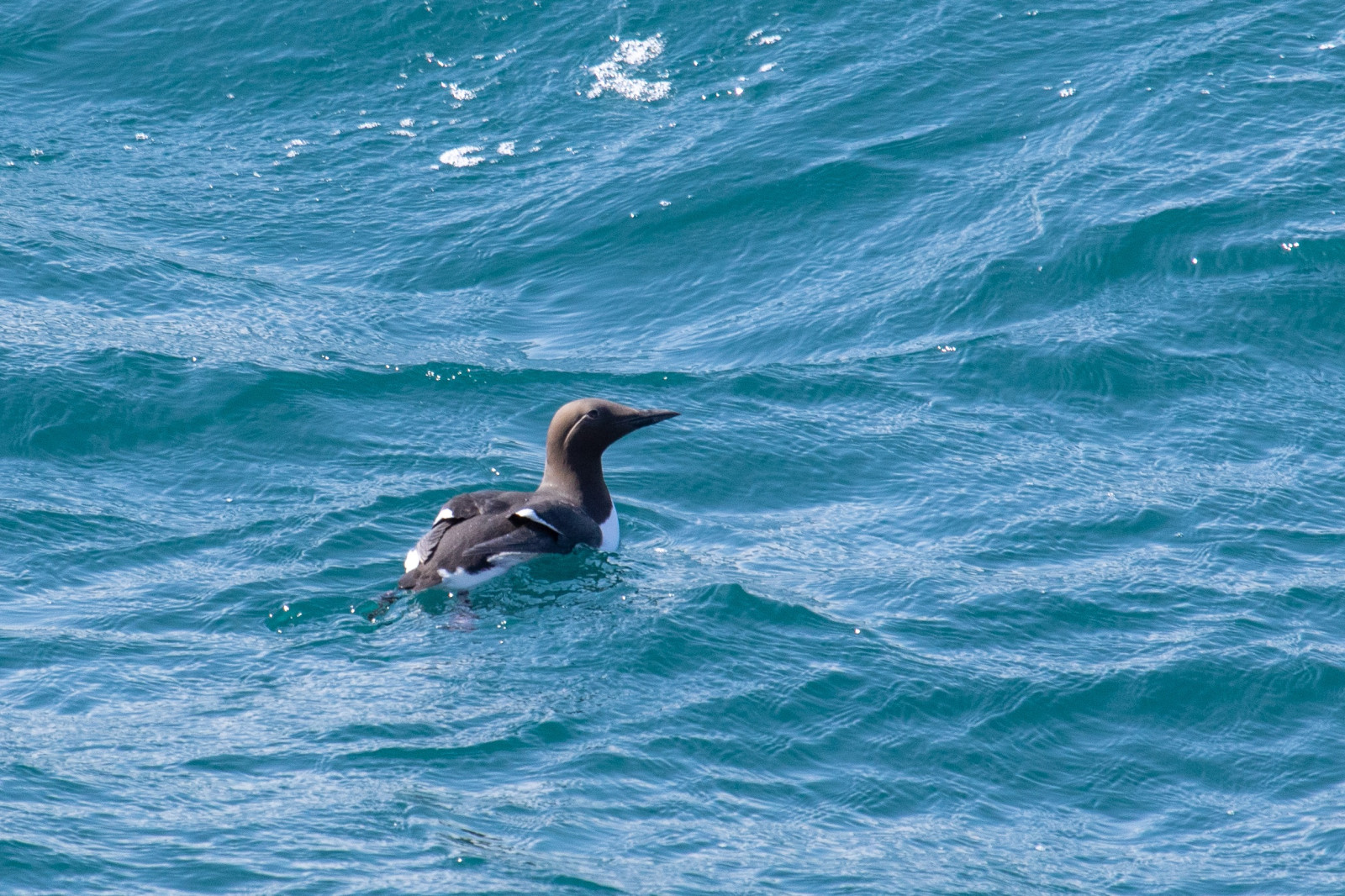
The 2024 publication in Science, titled “Catastrophic and persistent loss of common murres after a marine heatwave,” was produced by a collaboration of federal and academic researchers. The study compared counts from before and after the heatwave alongside carcass recovery data to quantify excess mortality.
This seabird extinction event far exceeds prior ecological disasters in scale. The infamous Exxon Valdez oil spill of 1989, historically considered one of the worst, resulted in roughly 250,000 seabird deaths. The murre collapse was 15 times greater yet has not led to comparable regulatory reforms or funding for ecosystem restoration.
- Categories:
- Science









0 comments
Sign in to Comment