
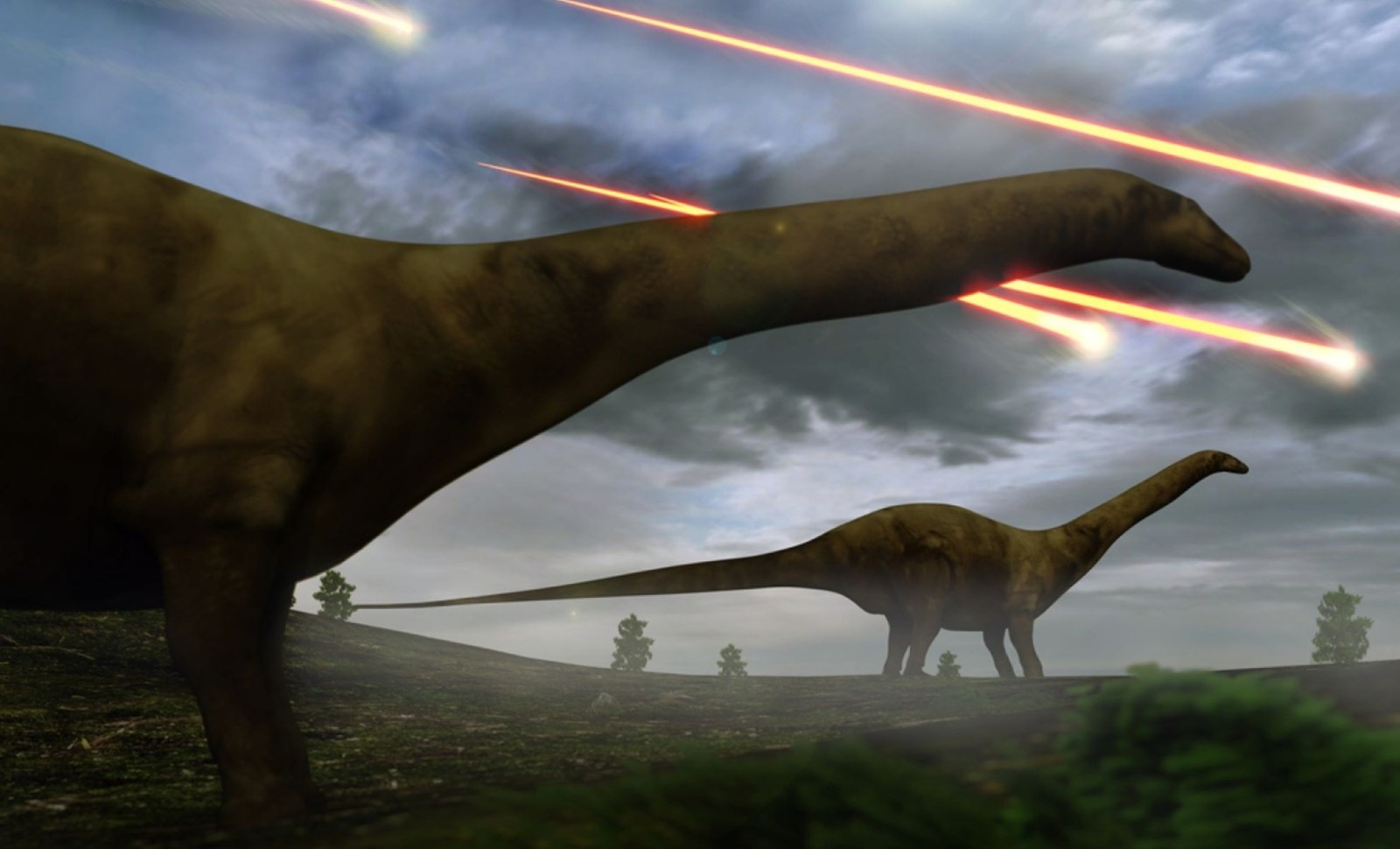
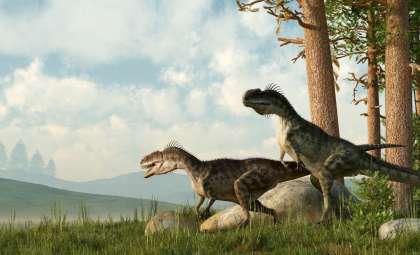
The identification of a new dinosaur species, Maleriraptor kuttyi, is altering our understanding of the survival and evolutionary paths of early predatory dinosaurs. This small carnivorous dinosaur, which roamed the Earth about 220 million years ago, defied the massive extinction event that devastated many species at the close of the Triassic period.
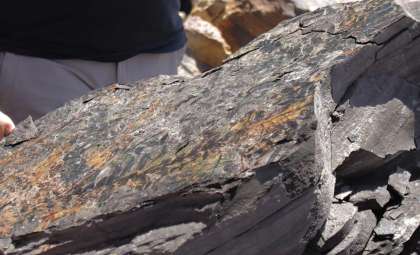
Although the fossils were initially uncovered in 1989, they were misclassified for decades as belonging to a different dinosaur group. It wasn’t until a detailed reassessment led by Dr. Martín D. Ezcurra from the University of Birmingham that the species was correctly identified as part of an ancient lineage of meat-eating dinosaurs. What was once assumed to be herbivore remains has now been recognized as belonging to a carnivorous dinosaur lineage.
Reevaluating Early Carnivorous Dinosaur Lineages
The bones of Maleriraptor kuttyi offer new clarity on the evolutionary history of some of the earliest predatory dinosaurs. Utilizing phylogenetic methods to map evolutionary connections, Dr. Ezcurra and his colleagues placed this species in an unexpected branch of the predatory dinosaur tree. Published in Royal Society Open Science, the research reveals that Maleriraptor is not part of the traditional South American herrerasaurid group, but instead belongs to a unique lineage that survived severe environmental upheavals during the Late Triassic.

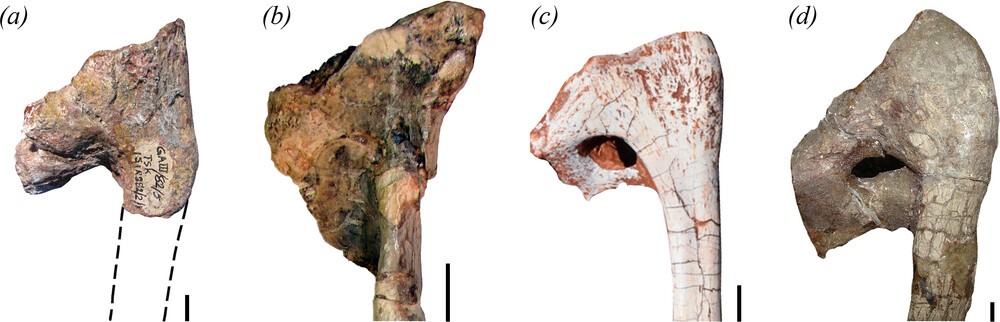
The species thrived shortly after the Carnian Pluvial Episode, a time marked by widespread volcanic activity and drastic climate shifts that led to extensive species loss. Features observed in the Maleriraptor fossils, such as its distinctive hip morphology, indicate that early predatory dinosaurs may have followed more intricate evolutionary routes than formerly recognized.
Notably, the hip lacks certain anatomical structures typically seen in related species, like the brevis fossa groove and the pubic boot—both linked to muscle attachments—hinting that early carnivores developed physical traits adapted to their specific ecological contexts.
How Maleriraptor Survived a Major Extinction Crisis
The species Maleriraptor kuttyi existed during the Norian stage, shortly after the Carnian Pluvial Episode—a significant extinction episode occurring approximately 233 million years ago. Intense volcanic eruptions coupled with rapid climate alterations eradicated many species, including plant-eating rhynchosaurs, thereby opening ecological niches that predators like Maleriraptor could occupy.
“The discovery of Maleriraptor kuttyi shows that herrerasaurs survived in Gondwana at least during the early Norian after the event that vanished the rhynchosaurs,” the research team said.
This finding challenges previous assumptions by demonstrating that not all early dinosaurs succumbed to mass extinction events. Some managed to adapt and even flourish, influencing the evolutionary trajectory of predatory dinosaurs during the Triassic.
Insights Into Gondwana's Ancient Ecosystem
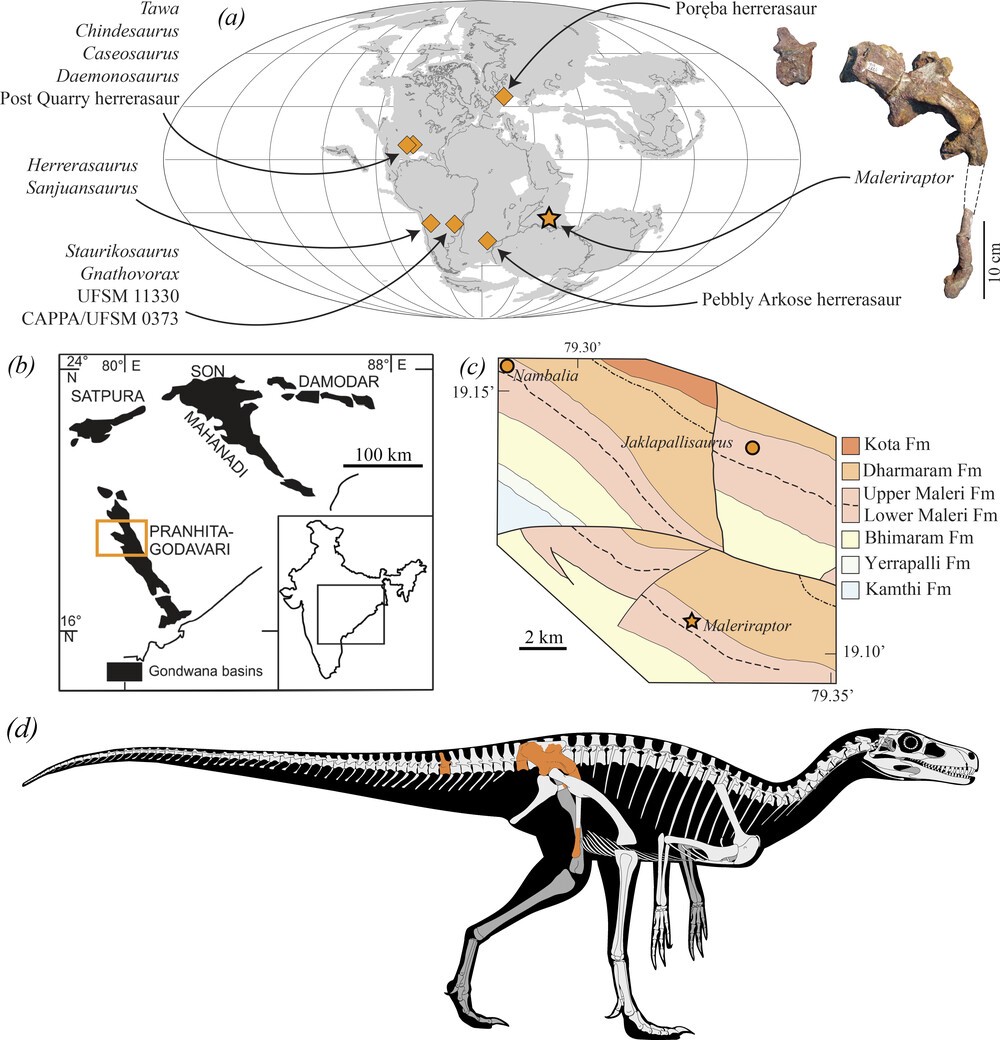
The fossils were recovered from what is now central India, a part of the ancient supercontinent Gondwana during the Triassic. This landmass linked territories across the Southern Hemisphere, including modern South America, Africa, and Australia. Researchers note that India’s Triassic climate likely resembled southern North America’s climate, suggesting similar ecosystems could have emerged across these far-flung regions.
“Thus, the more similar palaeoclimate between India and southern North America can explain the presence of common faunistic components that are absent in south-central South America (or are extremely rare), such as phytosaurs, herrerasaurs, protopyknosians and malerisaurine allokotosaurs.”
The resemblance in climate conditions between India and southern North America provides context for the persistence of related predatory dinosaurs across these areas. This study emphasizes how interconnected ecosystems were millions of years ago, shedding light on the patterns of dinosaur evolution across Gondwana and beyond.
- Categories:
- Science






0 comments
Sign in to Comment