
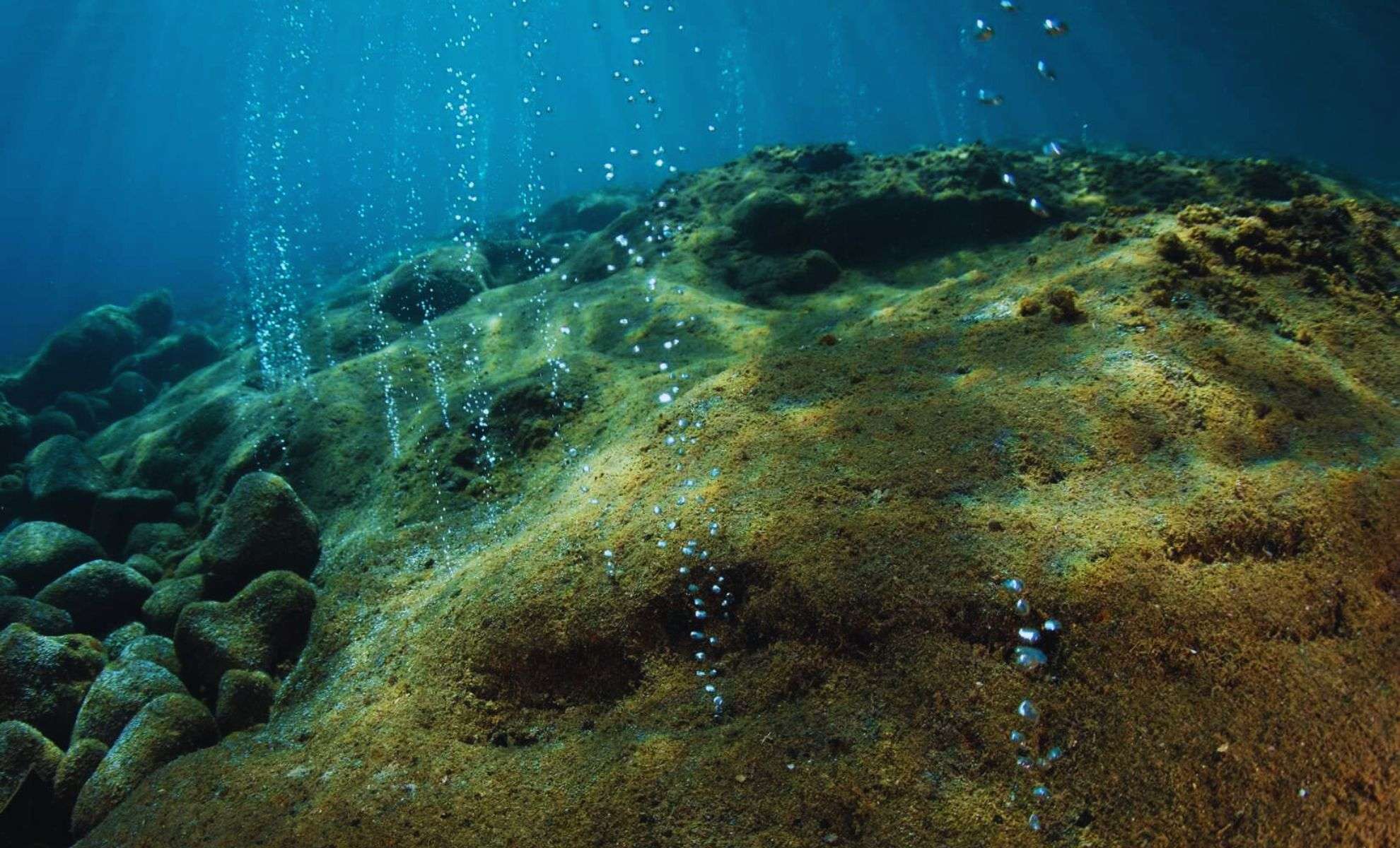
In an unexpected breakthrough, researchers have identified thousands of massive eggs nestled within an underwater volcano off the coast of Vancouver Island, Canada. These eggs belong to the rarely seen Pacific white skate and were discovered in waters previously thought too frigid and barren to harbor such life.
A Remarkable Finding That Challenges Previous Assumptions
For a long time, the underwater volcano near Vancouver Island was considered inactive. Experts believed the surrounding cold waters were unlikely to support abundant marine ecosystems.
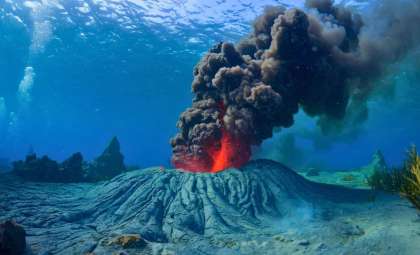
Nevertheless, during a 2019 mission led by marine biologist Cherisse Du Preez from Fisheries and Oceans Canada, the team uncovered surprising evidence: the seamount, once thought dead, is in fact an active submarine volcano.

This realization transformed the understanding of the locale, revealing that the volcano emits warm, nutrient-rich waters—an environment bustling with unexpected marine biodiversity.
The Enigma of the Gigantic Eggs
The expedition’s most incredible revelation was the discovery of thousands of eggs from the Pacific white skate. These remarkable eggs, colloquially known as “mermaid purses” due to their unique purse-like appearance, measure roughly 1.5 feet in size, making for an impressive visual.
Positioned on the peak of the underwater volcano about a mile deep underwater, this warm geothermal habitat stands in stark contrast to the typically cold environment favored by the Pacific white skate.
Scientists were fascinated to learn that the eggs were still living. Unlike fossilized dinosaur eggs from other parts of the world–like the 80-million-year-old remains found in Ganzhou City, China–these eggs remain biologically active.
The volcano’s geothermal heat supplies essential warmth to the eggs, which likely accelerates their prolonged four-year incubation period. This warmth plays a vital role since the eggs’ considerable size demands significant energy for proper development.
Survival Strategies of These Deep-Sea Eggs
The Pacific white skate (Bathyraja spinosissima) typically inhabits chilly depths between 2,600 and 9,500 feet in the Pacific Ocean.
Female skates invest significant energy into producing these sizable eggs, which supply vital nutrients to support embryonic development. These distinctive, purse-shaped eggs can reach up to 1.5 feet wide, earning them the name “mermaid purses.”
A key discovery is how these skates exploit the heat from the submarine volcano to promote egg growth. The geothermal warmth shortens the lengthy gestation period from four years by providing a natural incubator. Du Preez notes that the seamount’s shallow summit forms a sort of coral-like nursery, a safe haven where young skates thrive before descending to deeper waters.
She remarked, “The shallow summit of the seamount is almost a coral garden and a safe nursery for juveniles to grow before they descend to the deep.”
Reasons Behind Using Volcanic Sites as Breeding Grounds
This phenomenon is not isolated; in 2018, scientists found similar egg clusters near hydrothermal vents in the Galápagos Islands.
Though those eggs were smaller—about four inches long—the findings suggested that deep-sea creatures leverage volcanic and geothermal sites to aid egg incubation.
The much larger eggs of Pacific white skates near Vancouver Island imply that geothermal influence plays a crucial role in accelerating embryonic development.
Next Steps for Research and Protection
Building on the 2019 revelation, researchers revisited the site in 2023 to conduct further studies. Over a fortnight, they filmed live footage of a Pacific white skate depositing an egg and collected evidence suggesting multiple skate species share this volcanic nursery.
Fisheries and Oceans Canada scientists are dedicated to preserving this delicate habitat, focusing on protecting the seamount and surrounding waters from hostile impacts such as overfishing and habitat disruption.
Beyond being a captivating insight into deep-sea adaptation, this discovery emphasizes the vital role geothermal habitats play in sustaining marine life. Continued observation aims to deepen knowledge of how volcanic and hydrothermal activity affects aquatic species’ growth and survival.


0 comments
Sign in to Comment