
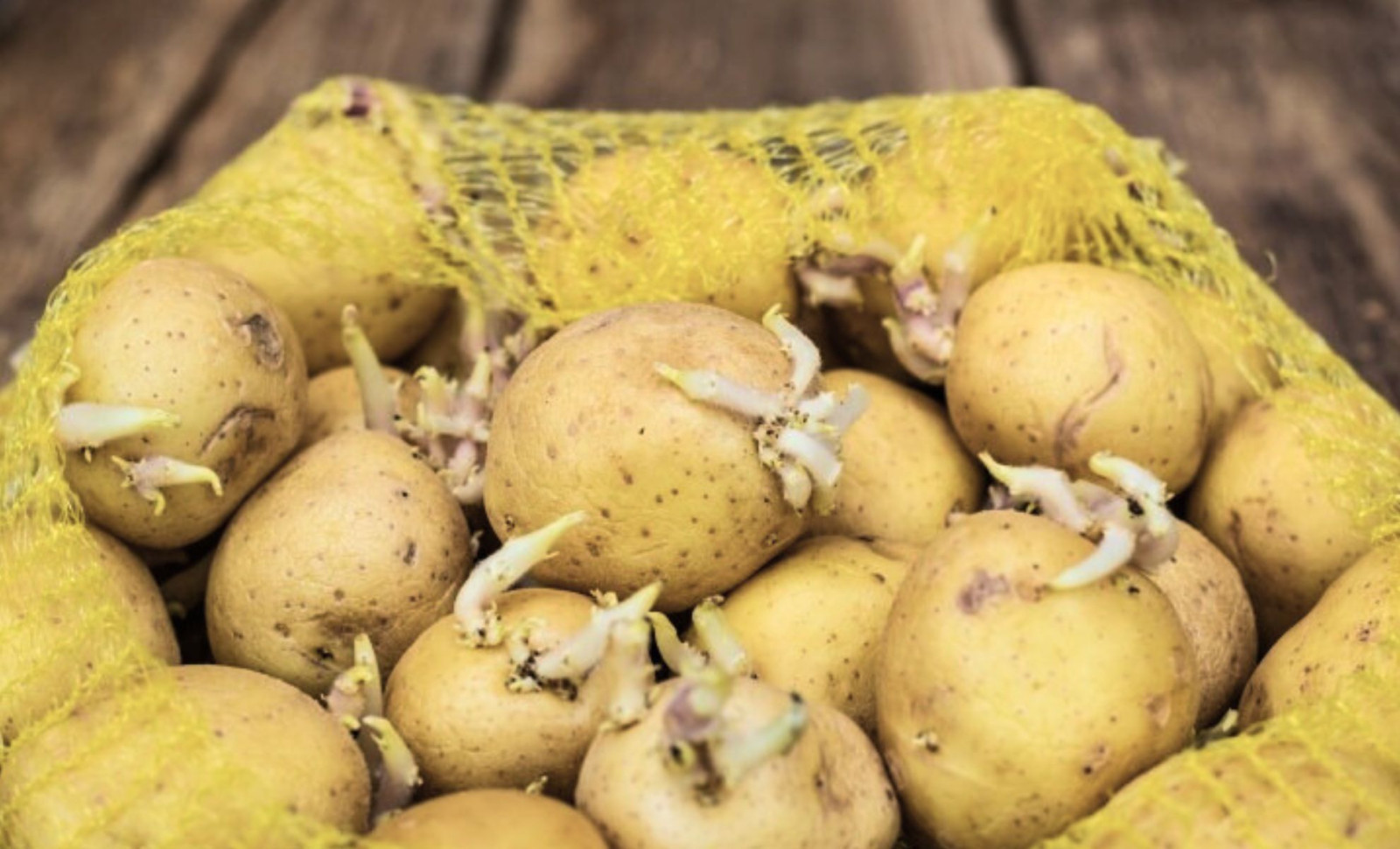
Across many Northern Hemisphere households, potatoes stored through winter are at their longest post-harvest life. Some develop sprouts, while others may show green discoloration from light exposure. Many people simply remove the sprouts, peel off green areas, and proceed to cook.
However, guidance from food safety organizations, toxicologists, and university experts has become more stringent. Updated advice through 2025 highlights stronger evidence linking these signs of spoilage to increased levels of toxins harmful to humans.
The concern is not conventional decay. Potatoes can appear firm and healthy while containing toxins that exceed safe limits, with no straightforward tests available for home kitchens.

These toxins stem from chemical compounds inherent to potatoes for thousands of years.
Potato Defense Mechanisms: Understanding Solanine and Chaconine
Solanine and chaconine are glycoalkaloids, toxic compounds naturally produced within the Solanaceae plant family. Under normal conditions, these substances reside in low quantities posing minimal health risk. But exposure to light, damage, aging, or heat causes their levels to increase, especially near sprouts, green spots, and eyes.
The World Health Organization’s official fact sheet on natural food toxins explains that these chemical compounds serve as plants’ defense mechanisms. Stress factors like poor storage or light raise glycoalkaloid content, sometimes reaching harmful levels.
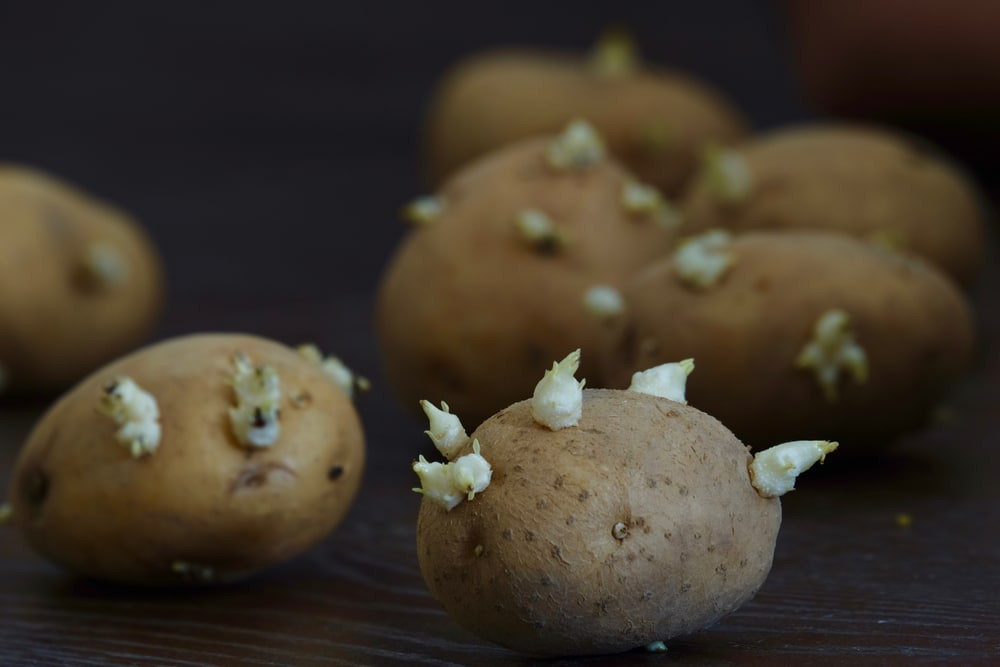
Reports from the National Capital Poison Center illustrate real cases of solanine poisoning. One man was hospitalized with vomiting and dizziness after eating sprouted potatoes, while a woman suffered nausea and diarrhea after consuming green potatoes. Both incidents aligned with known solanine toxicity symptoms.
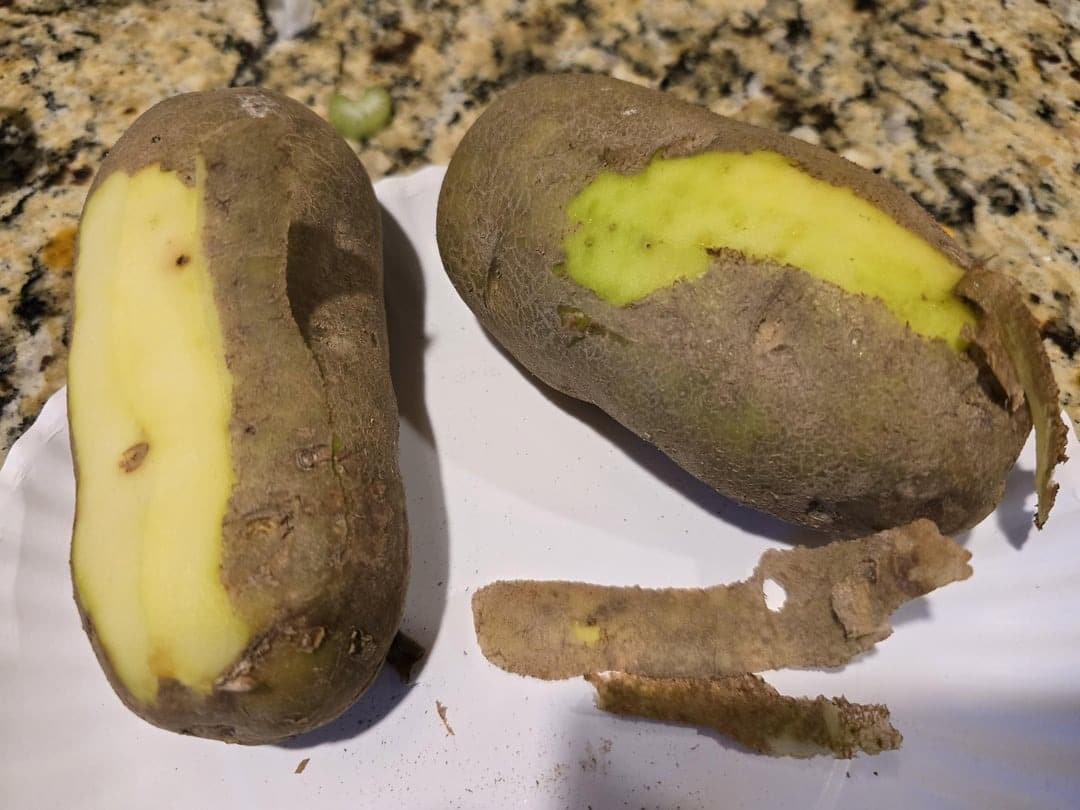
Typical cooking processes such as boiling, frying, or baking do not break down glycoalkaloids. These toxins are resistant to heat. Peeling might reduce risk if the potato is firm and not green inside.
Identifying Chemical Changes Early
Sprouting and greening indicate chemical shifts inside the potato caused by aging or stress, signaling that glycoalkaloid levels are rising.
According to April 2024 guidance from Iowa State University Extension, discard potatoes that are shriveled, soft, deeply green beneath the skin, or have sprouts longer than 2.5 cm. If greening is minimal and the potato remains firm, peeling might make it usable, but sprouting shortens the safe consumption window.
Sprouts contain the highest concentration of these toxins, as the potato ramps up its chemical defenses around the eyes and skin to prepare for reproduction. An analysis by Southern Living with Kraft Heinz food scientists confirms chemical changes begin once sprouting starts, even if the potato feels firm.
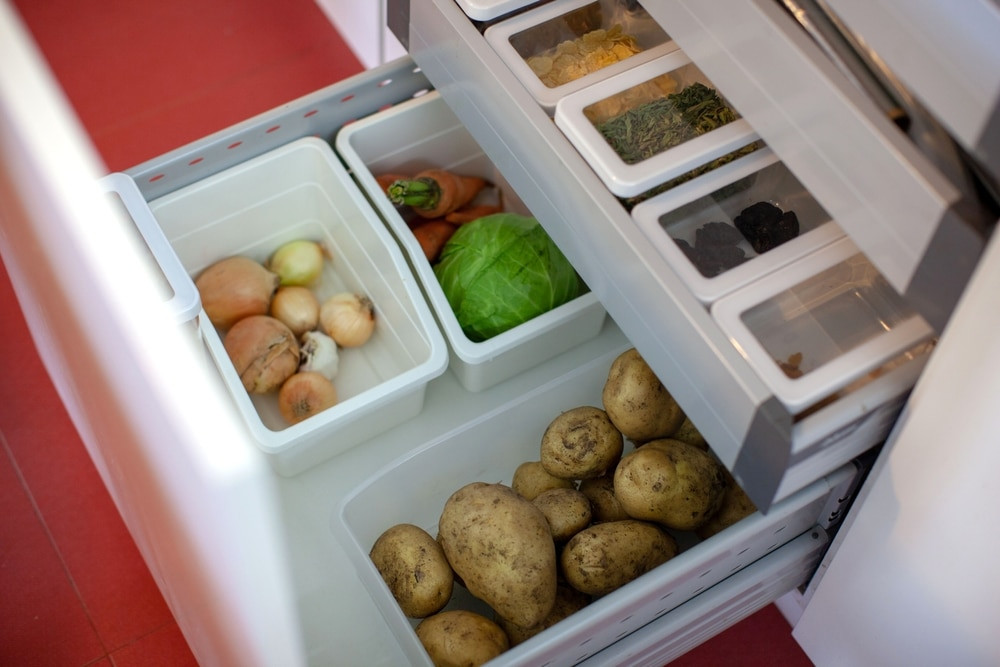
Refrigerating potatoes may hinder sprouting temporarily, but cold turns starches into sugars, altering taste and color during cooking. Importantly, chilling does not stop sprouting once potatoes warm to room temperature. Best practice is to keep them in a cool (45–50°F), dark, ventilated space using breathable bags.
Addressing Myths and the Lack of Regulation
Social media frequently encourages using sprouted or green potatoes to prevent waste. However, no household method eliminates solanine toxicity, and merely trimming areas visible to the eye is insufficient.
As noted by the Poison Control Center, no simple home test exists for solanine. Visual inspection remains the best precaution, only acceptable if spoilage is limited.
International standards for glycoalkaloid limits are inconsistent. Although codex groups have discussed solanine thresholds, uniform regulatory limits for fresh potatoes are not established. Enforcement varies by nation, and most potatoes lack labeling regarding toxin content.
In response, university extensions and public health agencies have issued consumer-centered advice emphasizing storage, visual evaluation, and awareness, such as those from Michigan State and North Carolina State universities.
Current Research and Consumer Takeaways
Scientists are developing potato varieties with reduced natural glycoalkaloid levels to lower risk in the food supply, although many remain in trial stages.
Some growers experiment with packaging solutions that limit light exposure and improve airflow to slow sprouting and greening during storage and retail display, particularly in long storage conditions.
For sprouted potatoes unfit for consumption, planting them in gardens is an option. Southern Living confirms sprouted sections can be safely used to cultivate new potatoes, but this use is unsuitable for eating.
Health authorities now recommend a straightforward rule for households: discard potatoes that are green beneath the skin, extensively sprouted, wrinkled, or soft. Accurate toxin detection requires lab testing, unavailable at home.
- Categories:
- News











0 comments
Sign in to Comment