
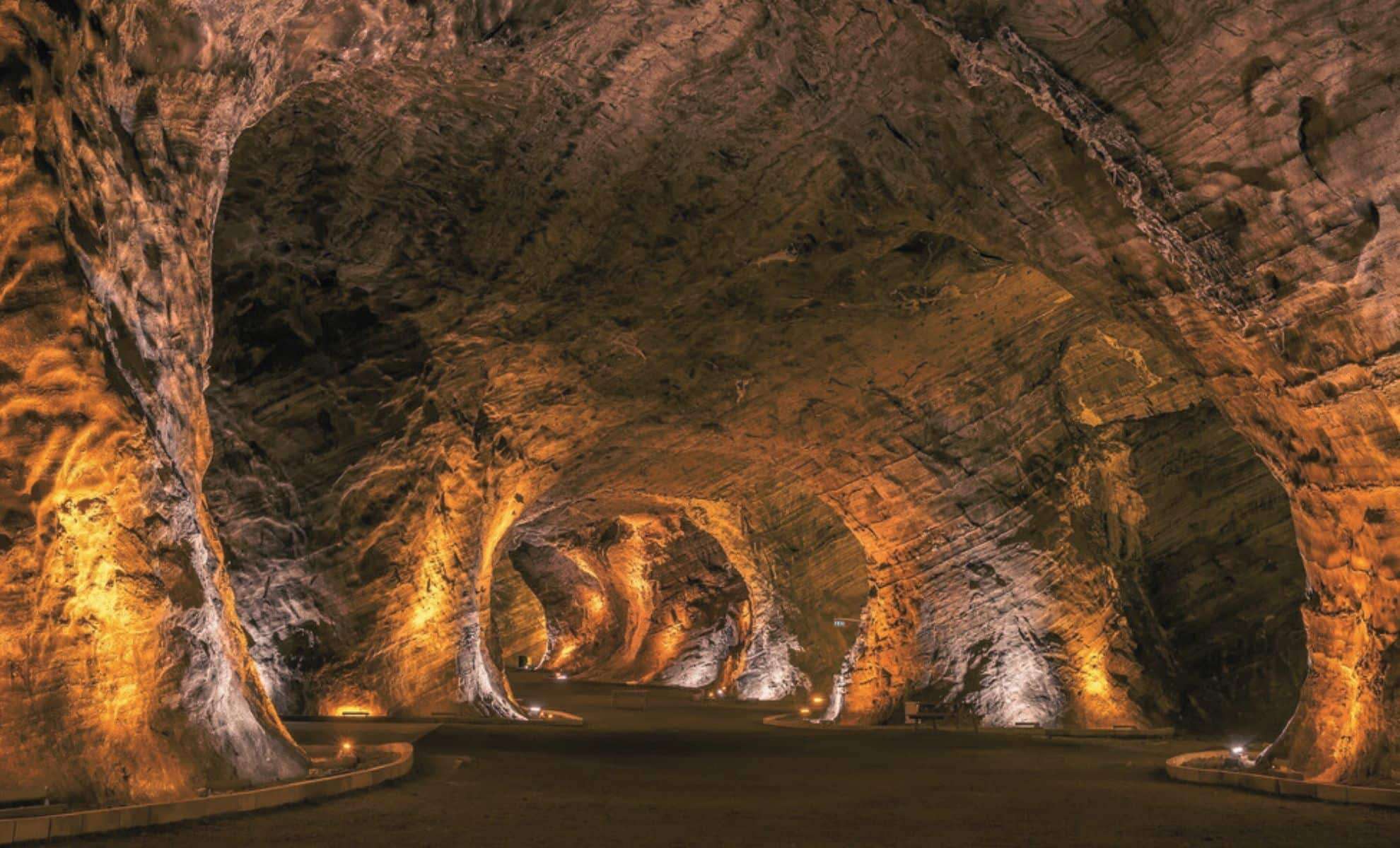
Excavations carried out by the Chinese Academy of Social Sciences (CASS) have uncovered an extensive system of underground tunnels beneath the 4,500-year-old settlement of Houchengzui, situated in the Inner Mongolia Autonomous Region of northern China. This find provides unprecedented insight into the sophisticated urban planning and defensive strategies employed by Neolithic communities in East Asia.
Exploring Houchengzui: A Well-Defended Neolithic Hub
Archaeologists have been investigating the Houchengzui site since 2019 after its initial discovery in 2005. Located alongside the Hun River within Qingshuihe County, this city belongs to the Longshan culture, a period distinguished by distinctive pottery and some of the earliest urban developments noted in northern China.
The city's footprint is roughly 341 acres (around 1.3 square kilometers), designed in an oval configuration featuring clearly defined inner and outer sectors. At its height, the settlement was safeguarded by three successive defensive barriers, including walls, moats, and bastions.

Fortifications incorporated multiple access points, such as the primary city gate (CM1), urn city gate (CM2), and outer urn city gate (CM3). Each gate was fortified with earthen platforms to enhance surveillance and control, a planning feature now reinterpreted in light of the recent findings beneath the surface.
Details of the Tunnel System: Structure and Strategic Uses
Excavators identified six underground tunnels buried between 1.5 and 6 meters deep. These corridors radiate outward from a central point within the settlement, measuring approximately 1 to 2 meters in height and about 1.5 meters across. Their vaulted ceilings resemble Longshan-era cave homes discovered elsewhere in the region.
A December 2023 statement from the Chinese Academy of Social Sciences indicated the tunnels served dual roles in offense and defense. This network enabled what researchers term “three-dimensional combat and logistics,” allowing the discreet movement of soldiers, arms, and provisions and providing secret escape routes during invasions.
Several subterranean pathways extend beneath the defensive ramparts, linking the city to external areas beyond the walls. This design suggests the tunnels were intended to facilitate evacuation or covert maneuvers during hostile sieges.
Cultural Significance and Comparative Perspectives
Sun Jinsong, heading the Cultural Relics and Archaeology Academy of Inner Mongolia, noted that the integration of these tunnels with surrounding defenses such as moats and barbican-style walls prompts a reevaluation of early Chinese urban warfare capabilities and city development.
The engineering and functional aspects of these tunnels show parallels with military designs known from ancient Mesopotamian cities, though here they were embedded in the city’s original framework instead of being added subsequently.
As Heritage Daily reports, this discovery challenges earlier beliefs that Neolithic Chinese societies were less complex than their Western contemporaries. The city of Houchengzui evidently represented a deliberately planned urban center, featuring sophisticated layered defenses and covert underground transit systems.
- Categories:
- Science







0 comments
Sign in to Comment