
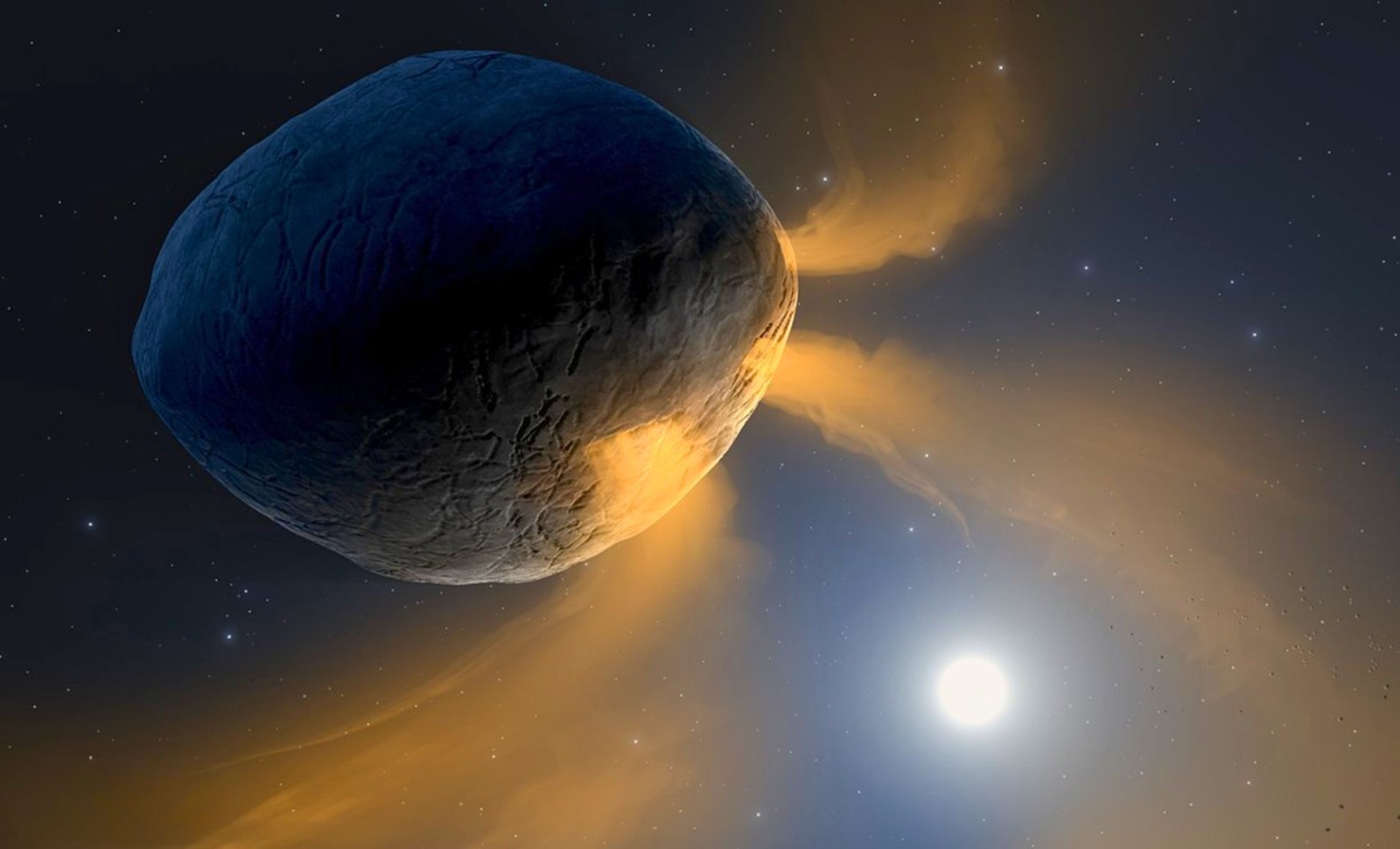
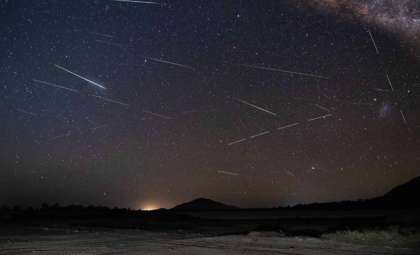
Every December, the Geminids meteor shower lights up the night sky with dazzling trails. The culprit behind this celestial spectacle is 3200 Phaethon, a distinctive asteroid that stands out among others. This intriguing object is the progenitor of the meteors visible during the Geminids, possessing unique traits that make it unlike any other known body in our solar system.
Defying conventional classifications of asteroids and comets, Phaethon exhibits extraordinary behavior. It travels closer to the Sun than any other asteroid recorded, and instead of releasing typical water vapor, it emits sodium gas. These peculiar features have inspired scientists to reexamine Phaethon’s true nature and its role in our cosmic neighborhood.
A Remarkable Orbit and Its Risks
First identified in 1983 by the Infrared Astronomical Satellite, Phaethon was the inaugural asteroid discovered through spacecraft imaging. It follows an elongated orbit around the Sun that takes it closer than Mercury at perihelion and extends beyond Mars at aphelion. This proximity to the Sun contributes to its fascinating and potentially hazardous path. Although it approaches Earth occasionally, scientists reassure that Phaethon does not pose any immediate threat for the next 400 years.

Due to its orbit bringing it close to both Earth and the Sun, Phaethon is classified as a potentially hazardous asteroid. Nevertheless, experts emphasize there is no cause for alarm. Its unusual trajectory combined with its atypical properties renders it a prime candidate for ongoing investigation in the study of near-Earth objects.
Signs of a Cometly Past: The Sodium Emissions Enigma
According to a study featured in Nature Communications, Phaethon shares some comet-like behavior despite being primarily rocky and metallic.
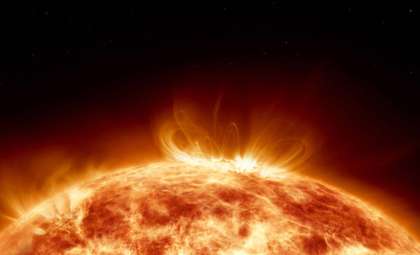
“ As a comet zooms through the inner solar system, the Sun heats it, causing ices below the surface to vaporize into space,” announced by the NASA.
Instead of the usual water vapor seen emanating from comets, Phaethon emits sodium. This rare type of outgassing indicates that it may have once been a comet that lost its icy reservoir over time. The persistent sodium release raises intriguing questions about Phaethon’s history and composition.
Further research published in The Planetary Science Journal highlights that sodium emissions distinctly separate Phaethon from other celestial rocks linked to meteor showers. The mystery remains: if it started as a comet, how did its ice vanish? And why is sodium, rather than water vapor, expelled now? These puzzles continue to challenge scientists.
GEMINID METEOR SHOWER : Peak Night Dec 13-14, 2025 🌠✨👯♂️
— Science And Nature (@InterestingSci1) December 10, 2025
The Geminids, one of the year's best meteor showers, peak overnight December 13-14 with a Zenithal Hourly Rate (ZHR) of 120-150 meteors per hour under dark skies, originating from asteroid 3200 Phaethon. Active December… pic.twitter.com/hinZsp6r17
Fast Rotation and Gradual Deceleration
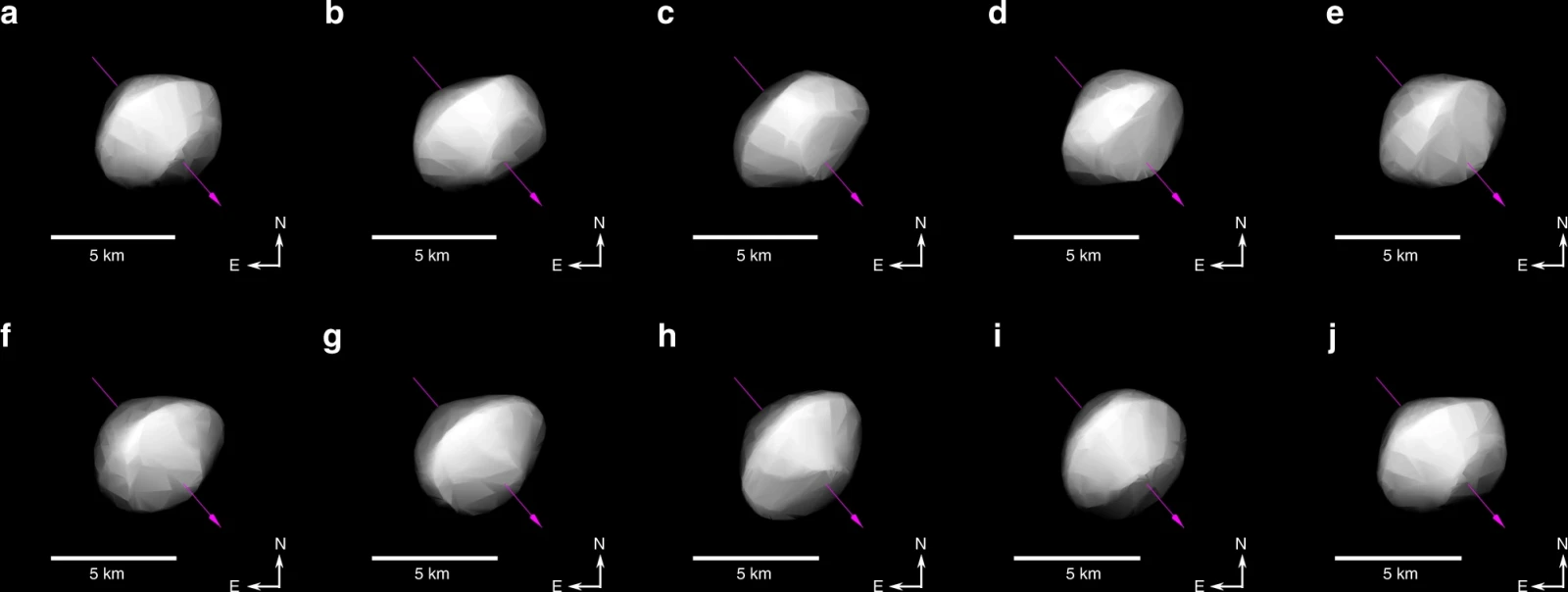
The spin rate of Phaethon is another remarkable feature. It completes a full rotation approximately every 3.6 hours, which is rapid but not uncommon for asteroids its size. What's particularly notable is that its rotation is slowing down over time, reducing its spin by about 4 milliseconds annually.
This deceleration phenomenon is quite rare, recorded in only 11 other asteroids within our solar system. As the object responsible for the Geminids meteor display, Phaethon remains an essential focus for astronomers aiming to better understand this mysterious cosmic entity.
- Categories:
- News







0 comments
Sign in to Comment