
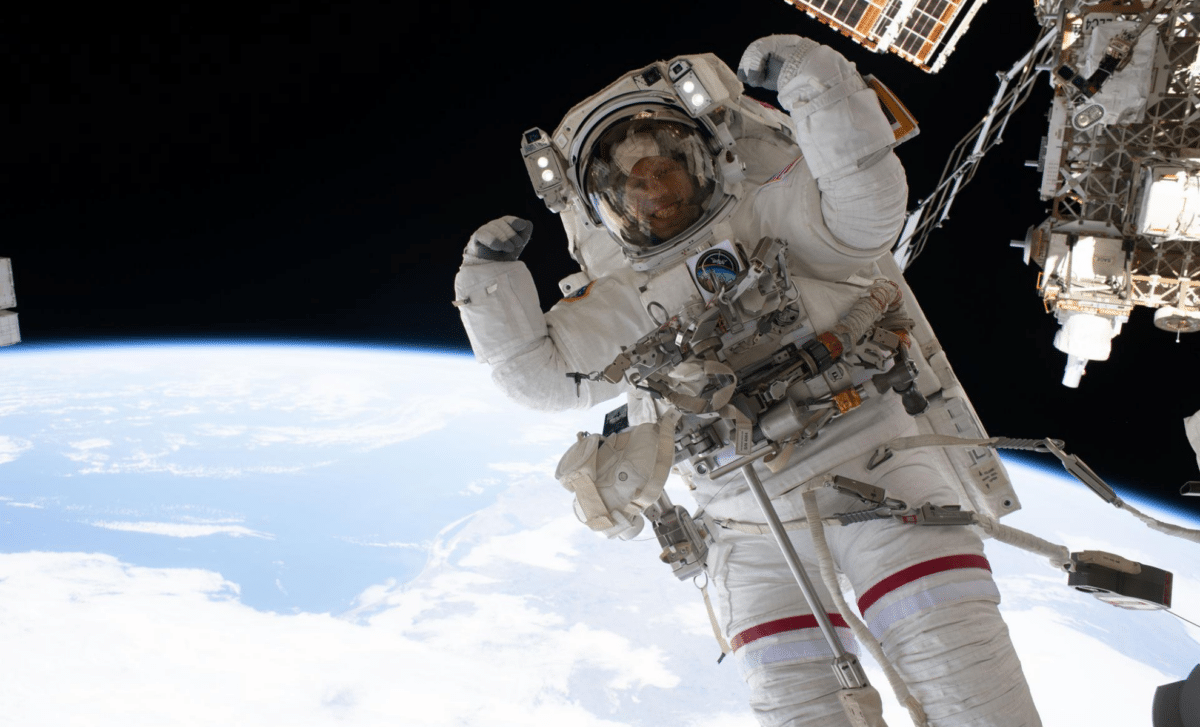
During a productive week aboard the International Space Station (ISS), Expedition 74 astronauts achieved several significant scientific advances that extend far beyond Earth's orbit. As reported by NASA, the crew completed critical studies on cartilage growth, cardiovascular function, and essential station operations, all while preparing the outpost for its upcoming crew rotation. Though these tasks are part of the station’s routine, the data gathered are crucial for understanding how humans adapt to space and could translate into medical breakthroughs on Earth.
Innovative Medical Experiments Propel Space Biology Forward
Research aboard the ISS continued to focus on the effects of microgravity on the human body. One of the standout projects involves cultivating cartilage tissue in space. This line of study may pave the way for new therapies aimed at repairing joint injuries and combating degenerative ailments.
NASA astronaut Jessica Meir conducted experiments inside the Japanese Kibo Laboratory Module, working with the Life Science Glovebox to maintain cartilage cell cultures before transferring them to a specialized incubator. Scientists want to determine how microgravity influences cartilage formation compared to Earth’s gravity-dependent cellular growth. A deeper insight into these processes could lead to engineered cartilage solutions with improved healing potential, benefitting elderly patients, athletes, and space travelers on long missions.

This research aligns with broader goals to sustain crew health for extended voyages to the Moon and Mars, where immediate medical support may be unavailable. Every ISS experiment reduces the unknowns related to prolonged human spaceflight.
Cartilage repair, cardiac research, and cargo ops wrapped up the week for the Expedition 74 crew heading into a three-day weekend. The space station is also orbiting higher following a reboost maneuver on Wednesday. More… https://t.co/nJctx76NxW pic.twitter.com/usTejEUlQX
— International Space Station (@Space_Station) July 2, 2026
Exploring How Blood Circulation Changes in Space
Key investigations also addressed how microgravity impacts the body's cardiovascular system. NASA astronaut Chris Williams and Roscosmos cosmonaut Sergei Mikaev utilized the newly installed Ultrasound 3 device to capture detailed images of veins in the neck, shoulders, and legs. Specialists will analyze these images to understand the effects of weightlessness on blood flow.
These studies are vital since fluid redistribution often causes bodily fluids to shift upwards toward astronauts’ heads, potentially increasing risks of blood clots and long-term heart problems during extended space missions.
Furthermore, commander Sergey Kud-Sverchkov and Mikaev conducted assessments of microcirculation using high-tech optical sensors and lasers to monitor blood flow in capillaries on the forehead, fingers, and toes. Detecting early signs of circulatory issues can improve monitoring both in orbit and for cardiovascular patients on Earth.
Operational Activities Ready the ISS for Upcoming Crew
Along with scientific tasks, Expedition 74 crew members performed vital maintenance and preparation work to ensure smooth station operations. NASA astronaut Jack Hathaway and European Space Agency astronaut Sophie Adenot set up a new crew sleeping area in the Columbus Laboratory to accommodate the incoming team arriving later this month.
Hathaway conducted thorough checks on hatch seals and stowed equipment used during a recent spacewalk, keeping the station ready for future extravehicular activities. Adenot updated the crew exercise program database, which plays an essential role in counteracting bone and muscle loss caused by prolonged microgravity exposure.
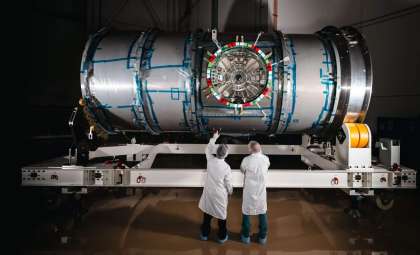
Meanwhile, Chris Williams managed cargo transfers from Northrop Grumman’s Cygnus XL spacecraft, which remains docked at the station since its arrival in April. Proper cargo organization ensures continued support for experiments and supplies during the Cygnus vehicle's six-month stay.
On the Russian segment, cosmonaut Andrey Fedyaev focused on plumbing maintenance, oxygen generator servicing, computer system testing within the Nauka module, and recording equipment storage in the Zarya module. Though less publicized, these tasks are critical to the station’s continuous operation.
ISS Prepares for Next Crew Arrival Following Orbital Adjustment
According to NASA, the ISS successfully boosted its orbit earlier this week. The maneuver was executed when the docked Progress 95 vehicle fired its thrusters for about nine and a half minutes, raising the station to the appropriate altitude for upcoming missions.
This orbit raise sets the stage for the scheduled mid-July arrival of Soyuz MS-29, which will bring Roscosmos cosmonauts Pyotr Dubrov and Anna Kikina alongside NASA astronaut Anil Menon. Once the new crew is onboard, commander Sergey Kud-Sverchkov, Sergei Mikaev, and Chris Williams are slated to depart aboard Soyuz MS-28, concluding Expedition 74.
The steady cycle of arrivals, departures, scientific research, and maintenance underscores the ISS’s pivotal role as a permanent orbiting laboratory. Each week yields new insights that bolster humanity’s path toward deep space exploration and foster scientific advancements beneficial to all.
- Categories:
- News









0 comments
Sign in to Comment