
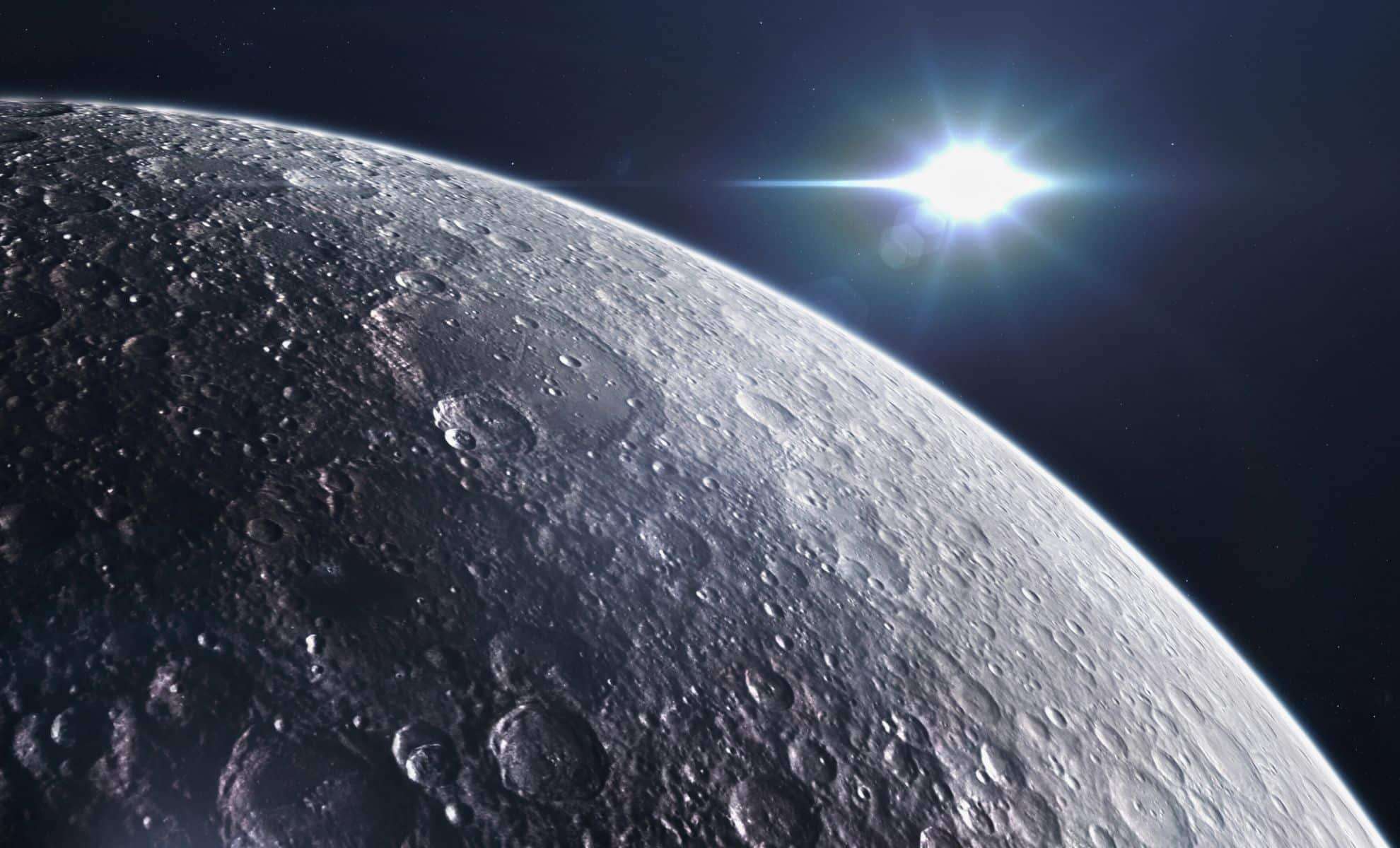
Daichi Fujii, who serves as curator at the Hiratsuka City Museum in Japan, captured a remarkable event when an unknown object collided with the Moon, producing a brilliant flash of light. This caught the attention of the scientific community due to its unexpected nature and the exceptional clarity of the footage. The object is believed to be a meteor, possibly linked to the ongoing Geminid meteor shower, although its precise origins remain uncertain.
An Unusual Impact: A Meteor Strikes the Moon
Fujii skillfully recorded the lunar collision using high-speed imaging equipment, offering a rare glimpse into this phenomenon. The event was captured at 22:34:35 (UTC) on December 8, 2024 at an impressive rate of 360 frames per second (fps). This observation is part of Fujii’s ongoing surveillance of lunar impacts over recent weeks.
Through his dedicated efforts, Fujii has documented multiple flashes on the Moon’s surface. His Moon Impact Monitoring Project has identified an increased frequency of these flashes, particularly during meteor shower activity like the Geminids. Fujii reflected on this, stating, “In recent years, more lunar impact flashes have been reported by amateur observers.”

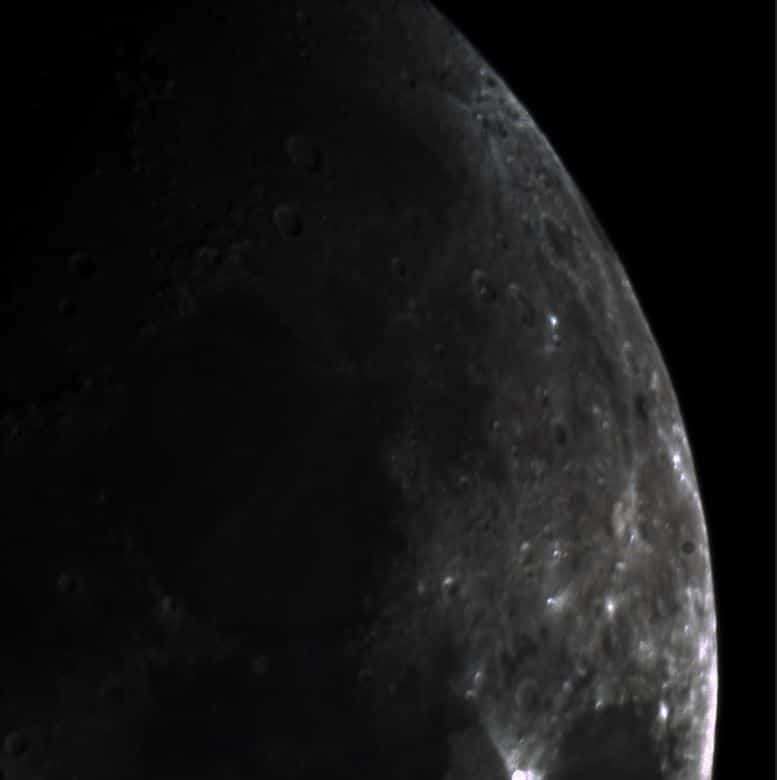
Investigating the Source: Geminid Meteor or Something Different?
Scientists suggest the flash likely originated from a meteor belonging to the Geminid meteor shower, which is active between December 4 and 20. Known for bright meteors, this shower traces back to asteroid 3200 Phaethon, whose rocky nature contrasts with typical comet debris, making it particularly intriguing to researchers.
Still, Robert Lunsford of the American Meteor Society cautions that the impactor’s origin remains inconclusive. He noted, “It’s possible this flash was caused by a sporadic meteor outside the Geminid stream, coincidentally striking the Moon at that time.” This raises questions about whether such impacts on the Moon are common or simply rare occurrences.
Implications: Is This Just the Beginning?
Meteor showers like the Geminids have long fascinated astronomers, but the rising number of lunar flashes during these events suggests we might be witnessing more impacts than previously realized.
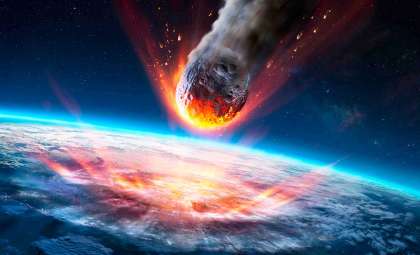
Could some of these space objects be large enough to threaten Earth or other planets? Fujii warns, “The impacts observed on the Moon might be early indicators of larger-scale events. It’s not only the Moon at risk but potentially Earth as well in the future.”
Although the probability of a significant Earth impact remains extremely low, recent data implies that smaller lunar impacts are more frequent than once thought. The bright, sizable Geminid meteors might be part of a more extensive cosmic activity affecting the Solar System.
The abundance of lunar flashes documented by Fujii might indicate that a variety of objects regularly strike the Moon and other planetary bodies within our celestial neighborhood.
A New Frontier in Meteor Research
Fujii’s high-speed recording of this lunar impact represents a breakthrough in understanding meteoroid collisions on the Moon. It offers an unprecedented perspective on occurrences that are typically unseen by the general public. Notably, meteors usually incinerate upon entering Earth’s atmosphere, but some possess enough force to reach the Moon and produce visible flashes observable from Earth.
These impacts highlight the dynamic and sometimes hazardous environment of our Solar System, where orbital debris constantly bombards even stable bodies like the Moon. The remarkable footage from Fujii may usher in a new phase of meteor observation, encouraging both amateur and professional astronomers to monitor these luminous lunar events on a regular basis.
- Categories:
- Astronomy ,
- Space





0 comments
Sign in to Comment