
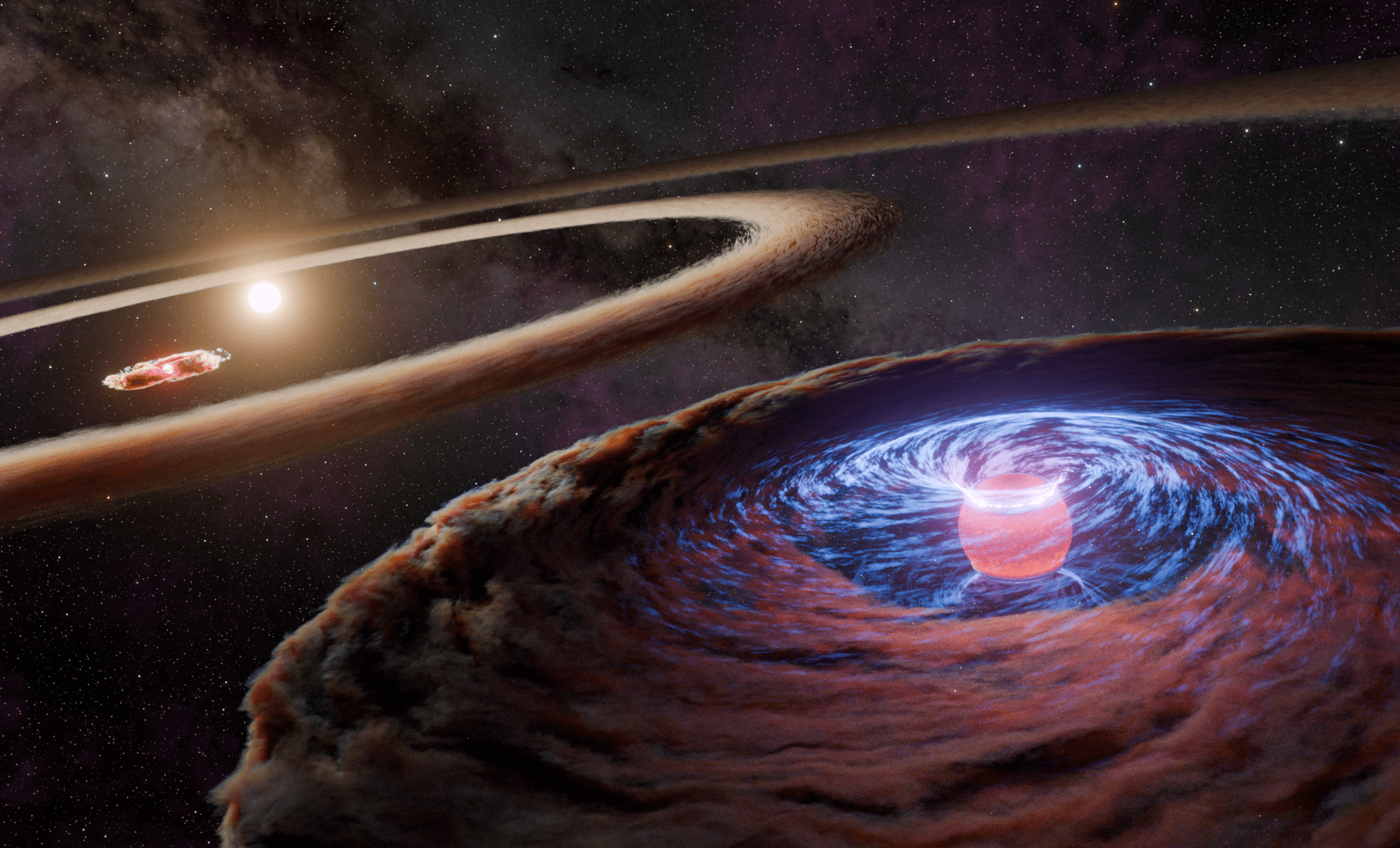
For decades, the origins of planet formation have remained an enigmatic subject for astronomers, with direct observations proving difficult to obtain. Recently, scientists achieved a significant breakthrough by imaging a nascent planet, WISPIT 2b, located within a gap in the protoplanetary disk encircling the young star WISPIT 2. This pioneering observation not only represents the first direct glimpse of a planet forming in such a region but also supports long-held theories regarding the role of disk gaps in early planetary development, as highlighted in a recent publication in the Astrophysical Journal Letters.
WISPIT 2b: A Newborn Planet Within a Dusty Ring
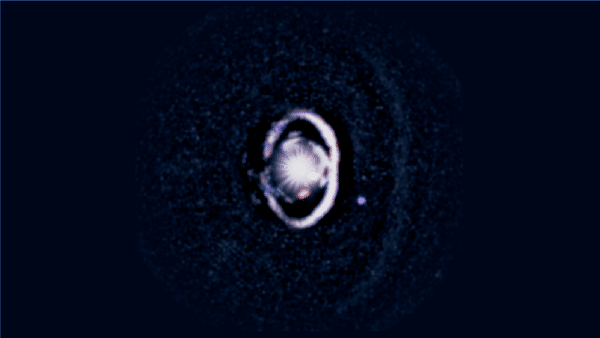
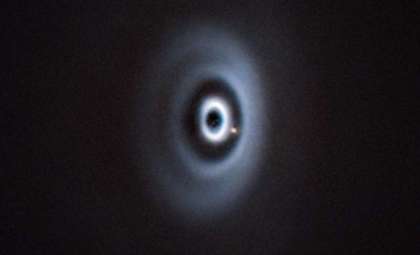
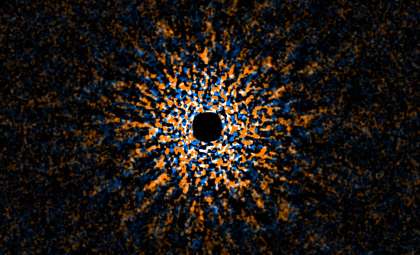
In a groundbreaking feat, astronomers have directly imaged a planet still in the process of formation. The young gas giant, designated WISPIT 2b, orbits within a cleared gap of gas and dust surrounding its host star WISPIT 2, situated roughly 437 light-years from Earth. With a mass approximately five times that of Jupiter and an age estimated at just 5 million years, WISPIT 2b is an infant planet. Utilizing advanced tools like the MagAO-X system, researchers were able to detect its faint emissions, notably the H-alpha radiation indicative of hydrogen gas accretion onto the planet.
This is the first confirmed instance of a planet directly observed within a disk gap, providing compelling evidence that these gaps are carved out by emerging planets. This discovery offers transformative insights into planetary formation and the evolving dynamics of young planetary systems.

Understanding Protoplanetary Disks and Planet Formation
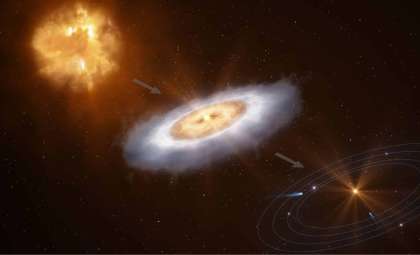
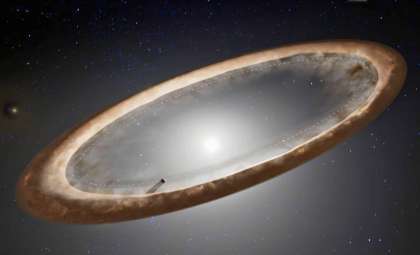
Protoplanetary disks consist of extensive rings of dust, gas, and icy grains encasing young stars, serving as the nurseries where planets come into being. Typically spanning millions of years in age, these disks undergo structural changes as solid material aggregates and forms planetary bodies. One longstanding mystery has been the appearance of gaps or voids within these disks.
Scientists have theorized that such gaps result from the gravitational influence of developing planets, which draw in and clear away surrounding dust and gas, creating distinct rings. The direct observation of WISPIT 2b inside one of these gaps substantiates this hypothesis and suggests that infant planets play a crucial role in sculpting their natal environments.
Exploring the Significance of Disk Gaps
The presence of WISPIT 2b within the disk gap raises intriguing questions about how emerging planets interact with their surrounding material. For years, astronomers debated whether these gaps were created by planets forming in place or by other mechanisms. This new evidence confirms that planets forming within the gaps are responsible for clearing material and shaping the disk’s structure.
Moreover, findings suggest WISPIT 2b likely originated within this gap rather than migrating from elsewhere, prompting a reconsideration of planetary migration theories and the timing of planet formation. Further examination into how such planets influence their environment is vital for advancing our understanding of solar system evolution.
Advanced Technology Unlocks New Planetary Observations
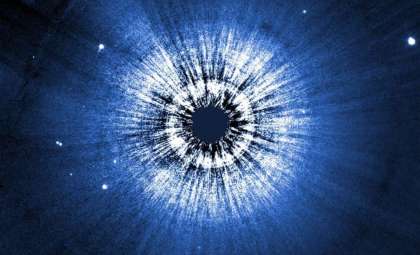
One key factor behind the detection of WISPIT 2b is the cutting-edge MagAO-X system, which enables high-contrast imaging necessary for distinguishing the faint light of a planet from the intense glare of its parent star. This system’s sensitivity to H-alpha emissions, indicative of accreting hydrogen gas, allowed scientists to observe the planet amid stellar brightness.
Complementing this, the LMIRcam detector provided infrared observations, confirming the planet’s position and existence. These sophisticated instruments represent vital advancements for future explorations into the earliest phases of planet formation across distant star systems.
WISPIT 2b’s Role in Decoding Planet Formation
The identification of WISPIT 2b does more than just document a single planet’s infancy; it offers a crucial perspective on how planetary systems emerge and evolve. Directly observing a growing planet positioned in a protoplanetary disk gap establishes a foundational reference point for understanding planet-disk interactions and possible migration paths.
As observations of the WISPIT 2 system continue, researchers anticipate uncovering additional planets and gaining deeper insights into the processes that govern planetary growth and the development of star systems over time.
- Categories:
- News





0 comments
Sign in to Comment