
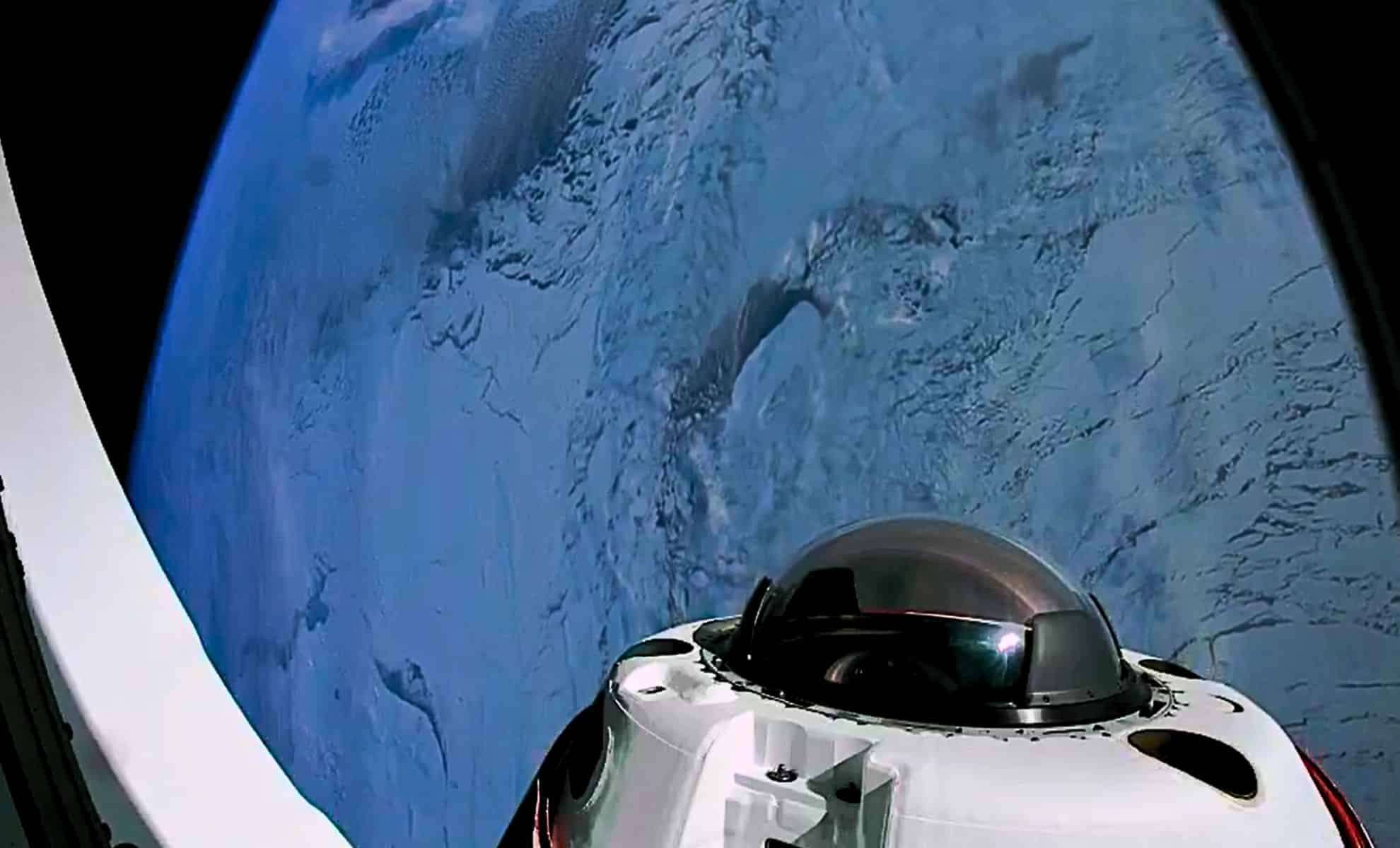
On March 31, SpaceX achieved a groundbreaking milestone by launching a private expedition that propelled four non-professional astronauts into a unique polar orbit. This mission represents the inaugural instance of humans traversing over the poles of Earth, presenting novel imagery of the planet’s icy regions.
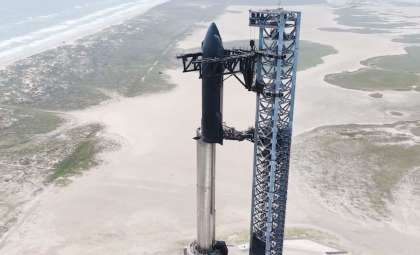
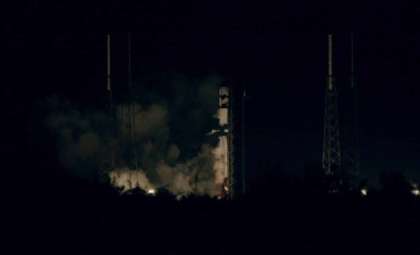
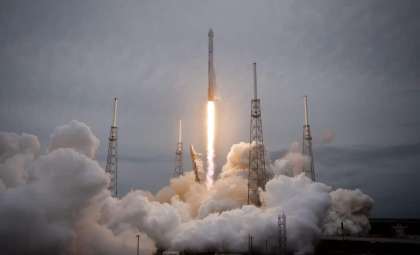
Dubbed the Fram2 mission in honor of the renowned vessel that voyaged through both polar extremes, the crew lifted off from NASA’s Kennedy Space Center in Florida at 9:46 p.m. ET aboard a Falcon 9 booster.
Moments after liftoff, SpaceX unveiled the first visual captures from the journey, revealing breathtaking perspectives of Earth’s polar domains. These spectacular views, taken inside the Dragon Resilience spacecraft, were shared on social media with the description, “First views of Earth’s polar regions from Dragon.”

The orbit, ranging from about 265 to 280 miles high, follows a steep trajectory inclined between 60 and 90 degrees. This path enables the astronauts to observe seldom-seen sections of the globe typically missed by standard orbital routes.
Pioneers Embarking on an Unconventional Flight
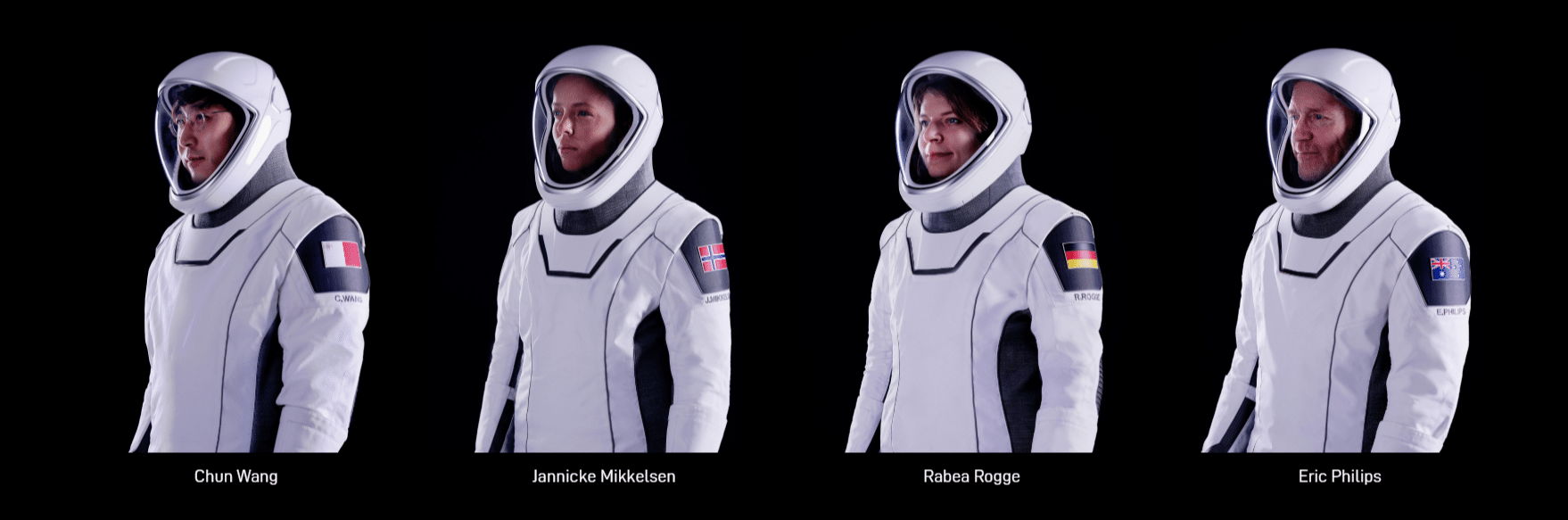
The Fram2 team consists of four civilians who come from diverse professional fields without traditional astronaut experience. Leading this expedition is Chun Wang, a cryptocurrency magnate and founder of f2pool and stakefish, who is said to be funding the entire mission.
Joining him are Norwegian filmmaker Jannicke Mikkelsen, the Australian explorer Eric Philips, and German robotics expert Rabea Rogge. Their spacecraft, Dragon Resilience, has a storied history including participation in Polaris Dawn, the mission known for the first commercial spacewalk.
Even as rookie space travelers, the group is engaged in an intensive research agenda during their mission, which spans three to five days. Taking advantage of the extraordinary vantage point afforded by their polar orbit, they are set to conduct experiments unavailable on typical orbits.
Advancing Space Medicine and Biology
The crew onboard Fram2 is executing 22 distinct scientific investigations aimed at deepening understanding of the human body's adaptations to microgravity. Notably, they are conducting the first-ever X-ray imaging in space, a breakthrough for remote diagnostic capabilities.
Additional studies focus on preserving muscle and skeletal health through specialized exercises, while experiments involving mushroom cultivation may inform future sustainable food sources for prolonged space missions.
SpaceX has disclosed plans for the astronauts to attempt unassisted egress from their capsule upon return. This will yield crucial insights into post-flight recovery, informing strategies to mitigate the physical impacts of space travel.
Capturing Elusive Atmospheric Phenomena
Besides scientific endeavors, Fram2 offers the crew unrivaled views of Earth's polar atmospheres, including the chance to witness and document STEVE—Strong Thermal Emission Velocity Enhancement. This rare atmospheric effect produces striking bands of purple and green light near auroras.
From their elevated vantage point, astronauts have the opportunity to gather some of the clearest images ever recorded, surpassing ground-based observations.
Executing a polar orbit is a challenging feat, demanding greater fuel and exposing the spacecraft to amplified radiation levels. Nonetheless, SpaceX’s Fram2 mission confirms that such ambitious endeavors are achievable, opening new avenues for remarkable scientific and visual discoveries.
- Categories:
- Space





0 comments
Sign in to Comment