
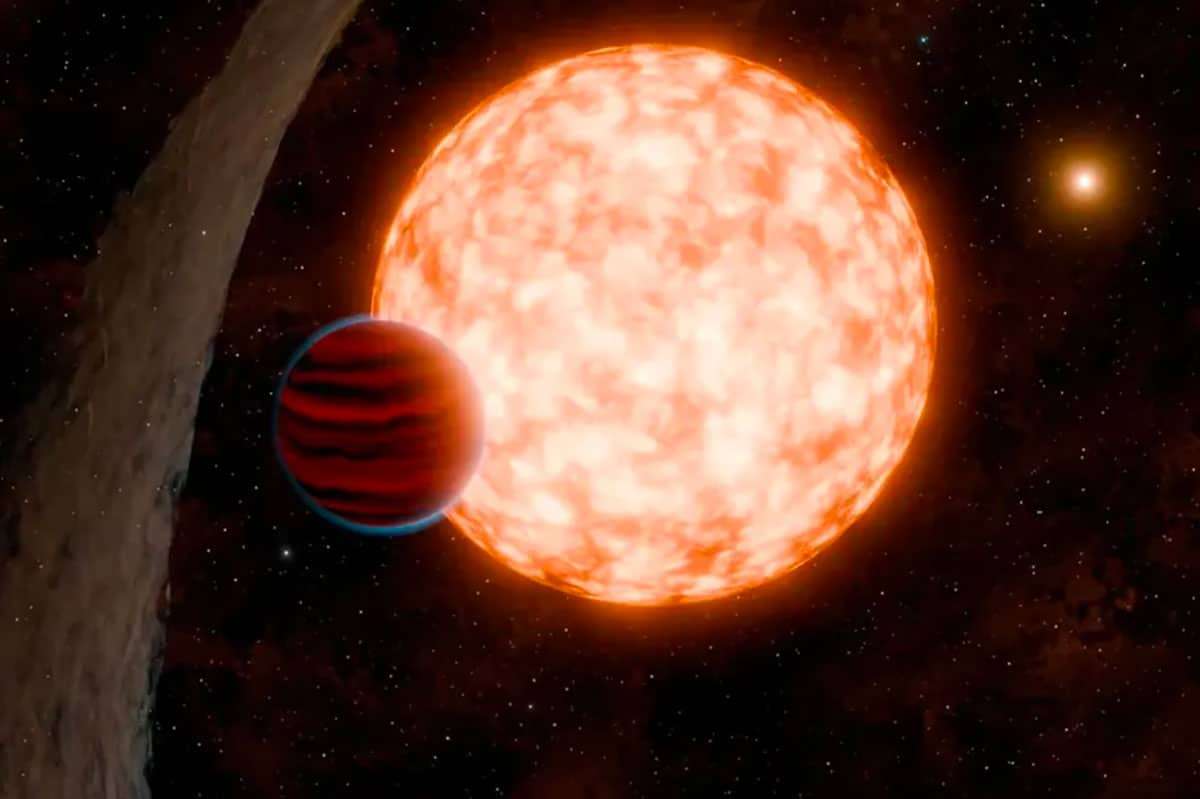
Astronomers have identified an exceptionally young exoplanet, offering unprecedented insight into the earliest phases of planetary development. Reported in the reputable journal Nature, this planet is estimated to be only three million years old. To put this in perspective, if Earth’s age corresponded to a 50-year-old individual, this newly found world would be akin to a newborn just two weeks old. Such a discovery opens a valuable window into how planets originate and evolve in their infancy.
Tracing the youngest transiting planet’s discovery
The search was spearheaded by Madyson Barber, a dedicated graduate researcher at the University of North Carolina at Chapel Hill. Remarkably, this marks her third confirmed exoplanet detection, with this particular planet standing out as the youngest known transiting exoplanet. The detection occurred during a transit, an event where the planet passes between its star and Earth, causing subtle reductions in the star’s brightness.
Barber emphasized the significance of such finds for the field of astronomy, stating, “This is definitely our biggest one because it’s the youngest transiting system.” These discoveries enhance our comprehension of planetary formation timelines and shed light on the origins of Earth-like worlds.

The characteristics of IRAS 04125+2902 b
Named IRAS 04125+2902 b or simply TIDYE-1b, the planet orbits a star destined to become an orange dwarf, located roughly 520 light-years from Earth. TIDYE-1b completes an orbit around its star in about 8.8 days. In terms of size, it falls between Earth and Neptune by mass, boasting a diameter nearly 11 times larger than Earth’s, notably large given its very young age.
Identifying young planets like TIDYE-1b is challenging since they are often enveloped within protoplanetary disks, which typically last five to ten million years before dissipating. However, this system exhibits an unusual setup: an outer disk that is tilted and an inner disk that is running low on material, factors that contribute to the uniqueness and detectability of TIDYE-1b.
Implications for planetary formation theories
This groundbreaking finding challenges previous beliefs about the speed of planet formation, suggesting that planets can emerge rapidly—within just three million years—much quicker than Earth’s estimated formation period of 10 to 20 million years. As Andrew Mann notes, “We don’t really know how long it takes for planets to form,” underscoring the mysteries still surrounding planetary origins.
Beyond speed, this discovery contributes essential information about the earliest developmental stages of planets. Melinda Soares-Furtado highlighted its broader impact: “We try to extrapolate from these other worlds how quickly planet formation might have taken hold in the early solar system.”
The future of young exoplanet exploration
Ongoing research into youthful transiting exoplanets like TIDYE-1b is crucial for refining our models of how planets form and evolve over time. Madyson Barber stressed the importance of expanding the number of known young systems: “Because we don’t have a ton of these young transiting systems that we know of, it’s really important that we look for more so that we can have a better picture…”
The road ahead promises exciting discoveries that may reshape our view of planetary origins—not only in distant star systems but also within our solar system’s history and future. By unraveling the secrets of these cosmic infants, scientists aim to deepen our understanding of humanity’s place in the cosmos and inform future space exploration.
This remarkable finding marks a new frontier in astronomy, showcasing the vastness and interconnectedness of the universe—a tribute to the relentless curiosity and ingenuity driving our quest to explore what lies beyond Earth.
- Categories:
- Astronomy






0 comments
Sign in to Comment