
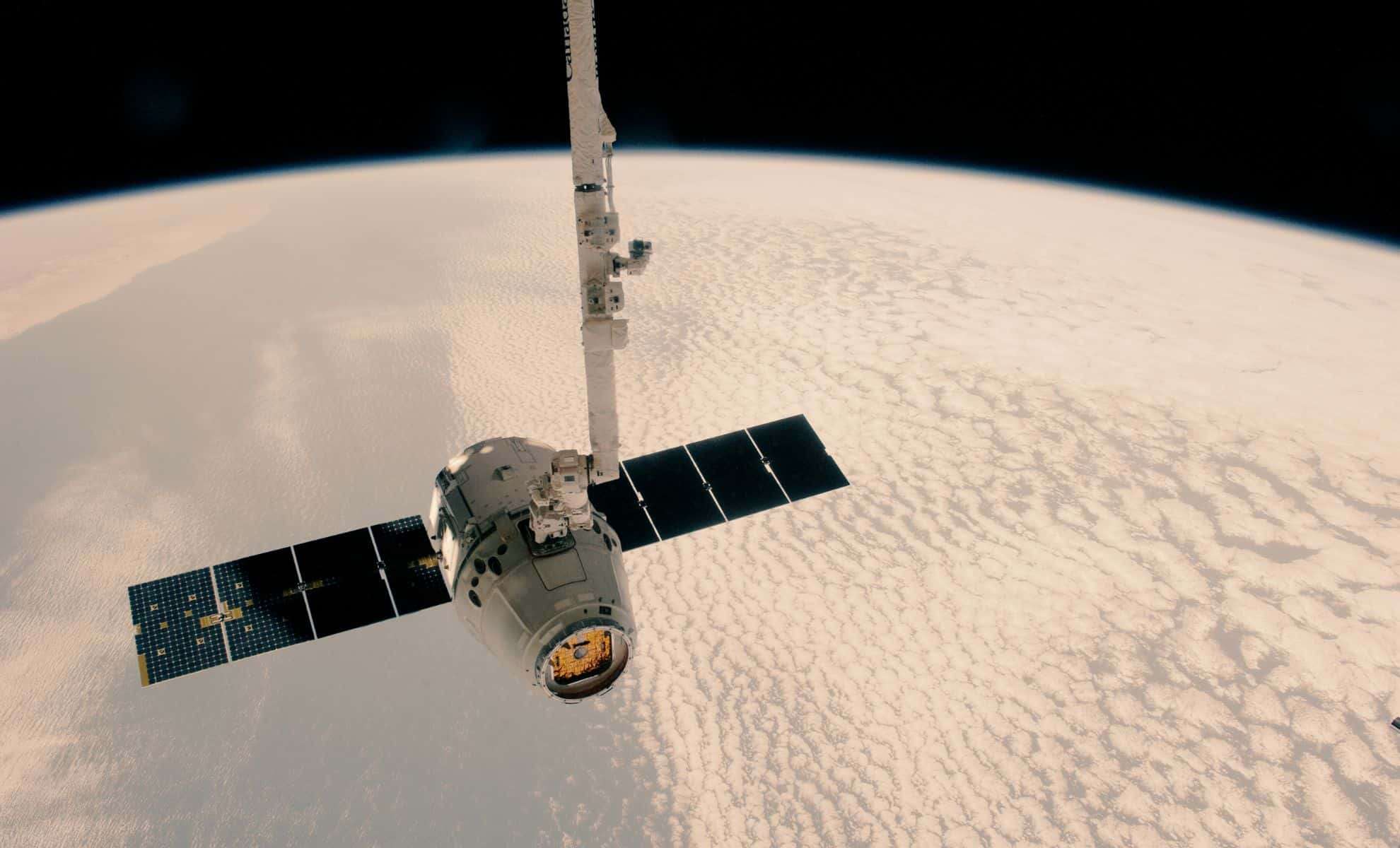
The rapid deployment of expansive satellite constellations into low Earth orbit (LEO) is posing a growing challenge for astronomers worldwide: increased light interference. With over 14,900 satellites currently orbiting Earth, projections suggest this number could soar to 100,000 within the coming decades. Much of this growth stems from large-scale projects like SpaceX's Starlink network, whose reflective surfaces significantly hinder astronomical observations. In response, an upcoming 2026 mission will test an innovative solution—a satellite coated with Vantablack, one of the darkest substances ever developed, designed to minimize satellite-induced light pollution.
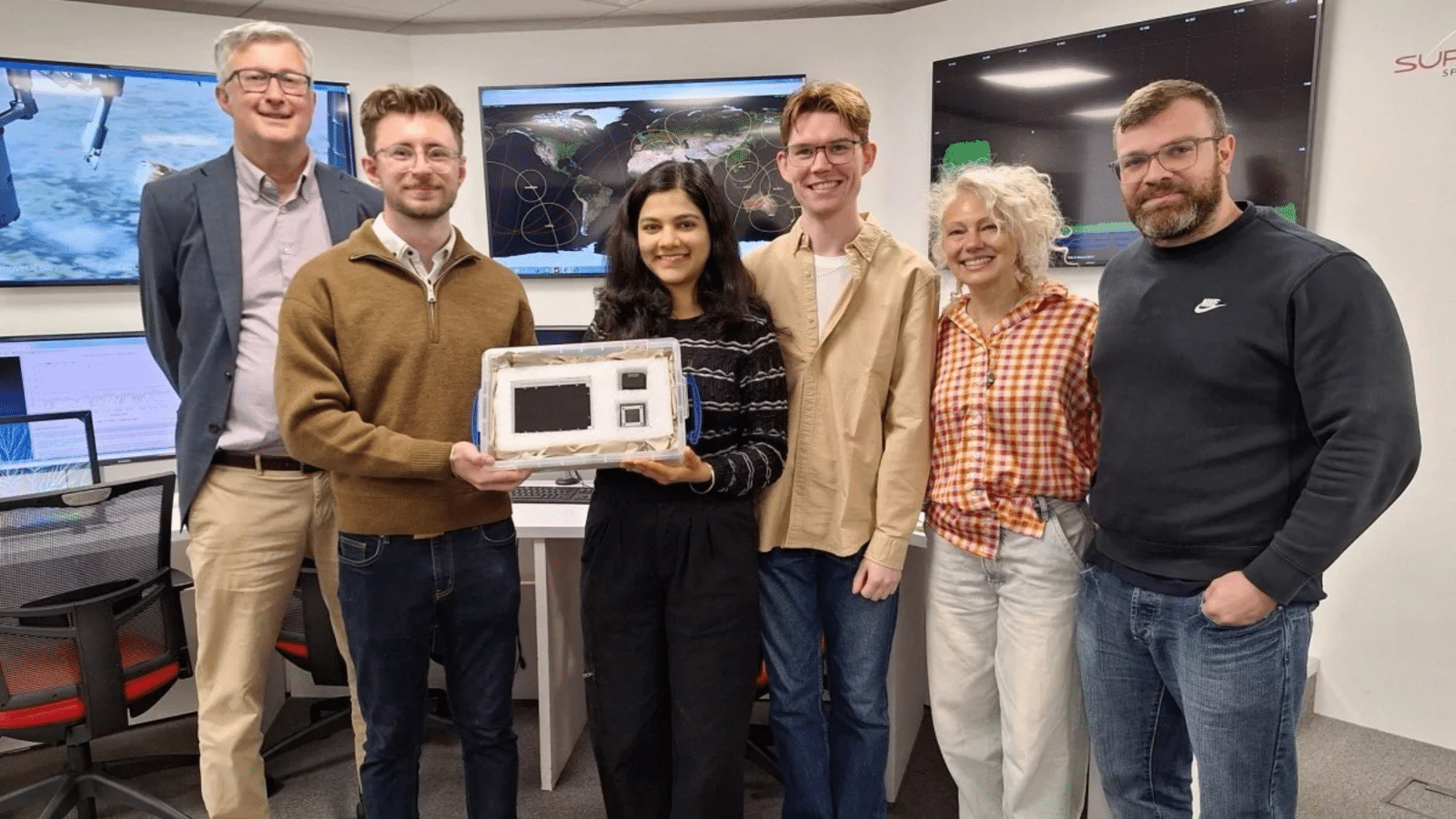
This effort is a joint project between Surrey NanoSystems and the University of Surrey, aiming to preserve the integrity of space observation while advancing satellite technology. The new coating, Vantablack 310, boasts an exceptional light absorption rate of 99.965%. The inaugural test will be conducted on the Jovian-1 CubeSat, which will help assess whether this "hull-darkening" material can endure the extremes of space and effectively reduce glare impacting astronomical research.
Understanding Vantablack 310 and Its Mechanism
Vantablack is globally recognized for its ability to trap nearly all incoming light across various wavelengths. Its makeup of vertically aligned carbon nanotubes absorbs photons so efficiently that objects coated with it appear almost two-dimensional. While this capability has already found applications in multiple technological fields, its use in counteracting space-based light pollution is groundbreaking. Nevertheless, the harsh conditions of space—including temperature swings and cosmic radiation—pose durability challenges for coatings.

Surrey NanoSystems responded to this by engineering Vantablack 310, an enhanced variant specifically tailored to survive and perform in the demanding LEO environment. According to Kieran Clifford, senior technologist at Surrey NanoSystems, the coating provides "exceptional blackness over a broad range of angles" while maintaining resilience against the hostile conditions found in orbit.
This advancement promises to significantly limit the problematic reflections from satellites, which have long affected ground-based optical telescopic observations. Should the Vantablack 310 coating prove effective, it could redefine satellite design standards, ensuring that the growing presence of space infrastructure does not compromise our ability to gaze at the universe.
The Growing Threat of Satellite-Induced Light Pollution
The proliferation of megaconstellations has triggered alarm among astronomers, who warn that satellite brightness increasingly obstructs vital cosmic observations. Unlike stars or planets, these human-made objects reflect sunlight and produce bright streaks that mar the nighttime sky. This interference disrupts sensitive detections of faint celestial bodies at observatories around the globe.
Besides dimming the visibility of distant stars, the high reflectivity of satellites compromises the fidelity of astronomical data. Upcoming satellite systems, such as China’s ambitious “Thousand Sails” constellation, are anticipated to be even more luminous, exacerbating the issue further. Consequently, materials like Vantablack 310 could be essential in protecting the future of skyward research from growing light contamination.
As Clifford emphasizes, the objective is to deliver "sustainable and equitable access to the night sky for all," ensuring that emerging astronomers worldwide can continue unlocking cosmic mysteries without hindrance. The upcoming Jovian-1 mission serves as a critical demonstration of this vision, with outcomes expected to influence the trajectory of satellite development and space observation policies.
Addressing Broader Space Sustainability Concerns
Though visible light pollution remains a prominent challenge, it is just one of the many environmental issues triggered by satellite megaconstellations. Increasingly crowded LEO increases the probability of collisions between satellites, which generates additional space debris. These fragments represent growing hazards for operational spacecraft and missions venturing beyond Earth's orbit.
Another often overlooked but serious problem is radio frequency interference. Satellites transmit signals that can disrupt ground-based radio astronomy, limiting the ability to explore certain portions of the electromagnetic spectrum. As satellite numbers swell, experts warn that radio pollution might soon reach a tipping point, severely restricting the effectiveness of radio telescopes worldwide.
While Vantablack 310 addresses the challenge of light reflection, solutions for radio interference and space debris demand dedicated strategies. Many industry leaders advocate for enhanced regulatory frameworks and improved space traffic coordination to safeguard the long-term viability of space exploration and scientific research.
- Categories:
- News






0 comments
Sign in to Comment