
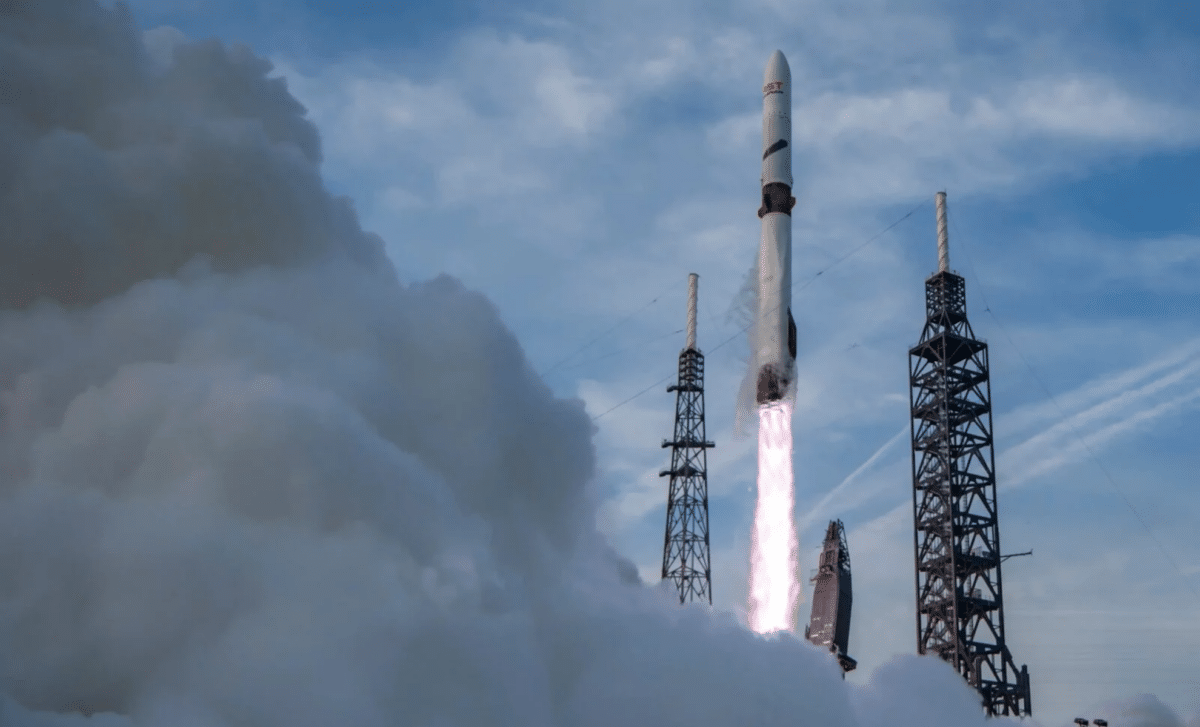
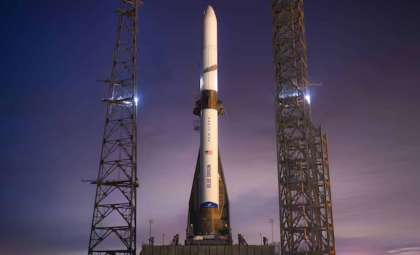
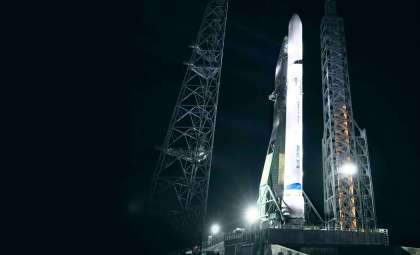
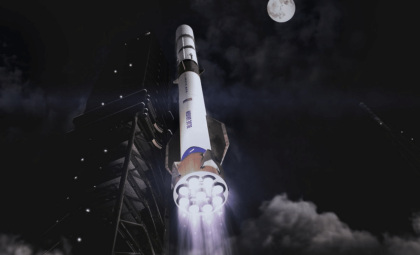
Blue Origin’s ambitions in heavy-lift spaceflight are regaining momentum after the Federal Aviation Administration granted clearance for the New Glenn rocket to resume launches. This authorization comes after a thorough investigation into the vehicle’s third mission, which encountered a second-stage malfunction that prevented a commercial satellite from reaching its planned orbit. The incident had cast doubt over Blue Origin’s expanding launch timetable and reignited concerns about the dependability of its flagship rocket, which has already faced significant delays. With the grounding lifted and corrective measures implemented, Blue Origin is poised to continue competing in the growing commercial launch sector.
A Critical Mission Becomes a Public Challenge
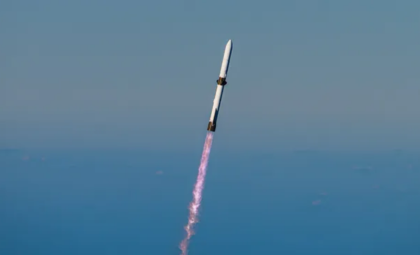
On April 19, Blue Origin aimed for a milestone flight with New Glenn, using the same reusable booster that had flown NASA’s ESCAPADE Mars missions in late 2025. The booster, dubbed “Never Tell Me The Odds,” highlighted the company’s reusable technology strategy crafted to cut launch costs and boost flight frequency. The first stage performed flawlessly, returning safely to Blue Origin’s recovery platform, Jacklyn, stationed in the Atlantic, signaling progress after years of developmental setbacks.
Problems emerged during the upper-stage operations, however, as the mission deviated from its intended flight path. The rocket was carrying AST SpaceMobile’s BlueBird 7 satellite, designed to enable direct cellular service from orbit to conventional smartphones. Instead of completing two engine burns to place the satellite into an orbit about 285 miles above the Earth, the satellite was injected into an unintended “off-nominal” orbit, per Blue Origin’s statement.

The satellite’s situation was significantly compromised. Although it separated and powered on, it lacked the altitude necessary for a sustainable mission. AST SpaceMobile announced plans to eventually de-orbit the satellite, as its onboard propulsion could not correct the flawed trajectory. What was meant to be a demonstration of New Glenn’s maturation turned into a highly publicized failure.
Frozen Hydraulic Line Found to Be the Culprit
Following the incident, the Federal Aviation Administration mandated a formal inquiry and placed New Glenn on hold. Blue Origin’s investigation pinpointed a cryogenic leak that froze a hydraulic line during the second-stage engine burn, disrupting performance and preventing the upper stage from reaching the required thrust for orbit insertion.
Blue Origin confirmed that it has already applied fixes designed to avoid a recurrence of this problem. Although details on the specific technical changes remain undisclosed, the FAA accepted the company’s conclusions and lifted the launch suspension. This resolution eliminates a significant barrier for a program that has dealt with continuous redesign efforts and timeline delays spanning over ten years.
This episode highlights the intense challenges of developing heavy-lift rockets, where extreme thermal conditions can amplify small technical faults into mission-critical failures. In this instance, a frozen hydraulic line was sufficient to disrupt the entire upper-stage burn process. The company now faces the task of demonstrating that this was a contained engineering issue, not indicative of broader systemic reliability problems with New Glenn.
New Glenn Remains a Cornerstone of Jeff Bezos’ Space Vision
Despite the satellite setback, Blue Origin looks eager to ramp up production of its headline rocket. Recent job listings revealed plans to manufacture as many as 60 New Glenn upper stages by late 2028, indicating strong belief in the rocket’s future within the space launch market. This production scale reflects expectations for heavy-lift demand to soar as satellite mega-constellations, lunar projects, and defense contracts intensify in coming years.
The competition is intense. SpaceX currently leads the reusable launch sector with its extensive, rapidly flying Falcon 9 fleet and Starship development. Blue Origin has sought to establish New Glenn as a contender capable of hauling large payloads economically via reusability. Each successful booster recovery and mission completion is crucial in winning over both government and commercial clients who demand reliability and consistency.
The April booster recovery offered a hopeful sign for Blue Origin’s vision. Reusing first stages is key to slashing launch expenses and boosting launch cadence. Successfully flying the booster that carried NASA’s Mars mission underscores important technical strides, even if the upper-stage failure eclipsed the triumph. Internally, the company likely views the flight as progress mixed with challenges.
- Categories:
- Space





0 comments
Sign in to Comment