
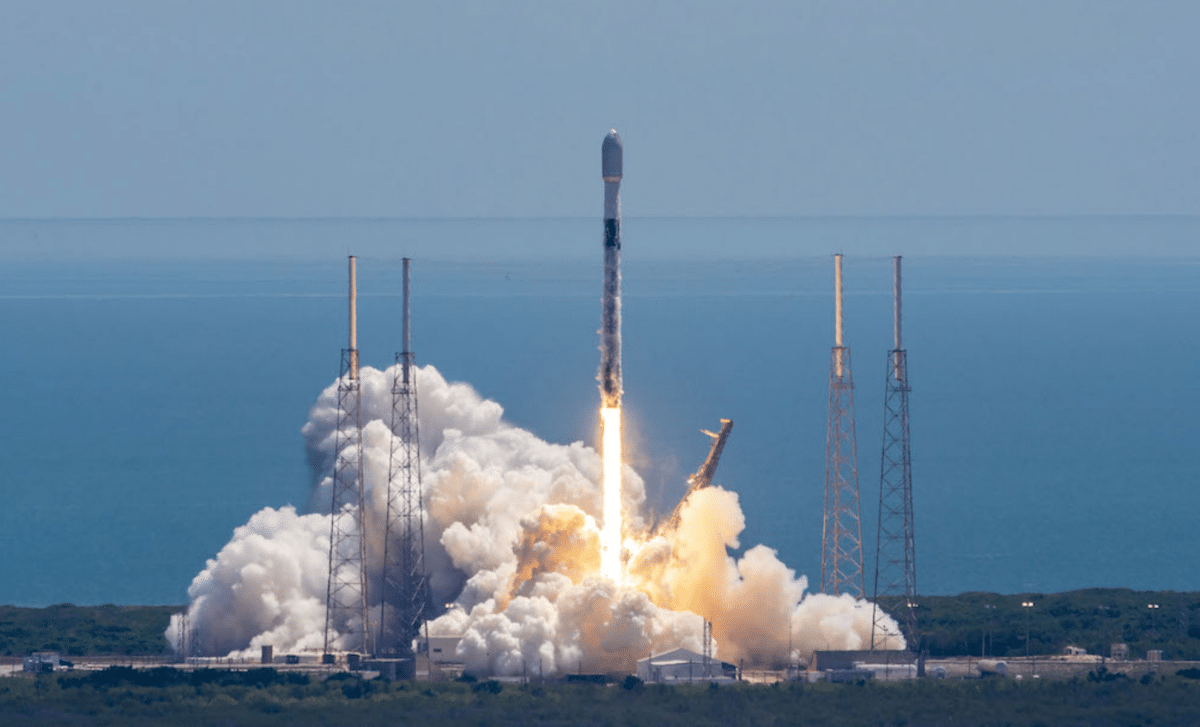
SpaceX’s Crew-12 mission, which will deliver four astronauts to the International Space Station (ISS), has been given the green light following a Federal Aviation Administration (FAA) clearance for the Falcon 9 rocket to resume flights. This outcome follows an extensive review into a malfunction affecting the rocket’s upper stage that temporarily paused SpaceX’s launch activities. According to Space.com, the FAA conducted oversight of the probe and authorized SpaceX to proceed, keeping the mission on course for its scheduled launch on February 11. The investigation identified the root cause as a failure in the Falcon 9’s second stage engine, prompting SpaceX to implement comprehensive fixes to mitigate future risks.
FAA's Role in Ensuring Spaceflight Safety
The FAA plays a crucial regulatory and safety role in private space missions, especially those carrying human crews. The agency's involvement was instrumental after a Falcon 9 rocket launch on February 2, 2026, deploying 25 Starlink satellites, encountered a propulsion issue. The rocket’s upper stage did not perform a scheduled deorbit burn, resulting in an uncontrollable descent of the rocket body back to Earth. Although no injuries occurred, the incident triggered a detailed investigation led by SpaceX and supervised by the FAA. The probe concluded that the Falcon 9 second stage engine failed to ignite at the designated time, causing the rocket’s unintended reentry.
In a February 6, 2026 statement, the FAA affirmed its oversight and acceptance of SpaceX’s investigative results, highlighting that the engine malfunction was the fundamental cause. The report also detailed corrective measures taken by SpaceX, combining technical improvements and organizational changes aimed at enhancing the rocket’s reliability. With these actions complete, the Falcon 9 has been cleared for future launches, allowing SpaceX to move forward with its flight schedule.

Explaining the Falcon 9 Malfunction
The event that grounded the Falcon 9 involved the failure of its upper stage engine during the February 2 launch. Although the rocket’s first stage successfully placed Starlink satellites into low Earth orbit, the second stage was expected to perform a deorbit burn to safely re-enter Earth’s atmosphere. Instead, the engine failed to ignite, leaving the rocket in orbit longer than intended before an uncontrolled crash. Such malfunctions with the Falcon 9 upper stage engine have occurred previously, prompting increased attention from the FAA.
Final findings from SpaceX and the FAA determined the malfunction stemmed from the second stage engine not starting up before the deorbit burn. This incident marked the fourth engine ignition failure during the past 19 months, although not all previous failures led to formal inquiries. Due to the recurring nature of these problems, this particular event led to a thorough assessment of Falcon 9’s hardware and operational procedures by both SpaceX and the FAA.
SpaceX’s Focus on Enhancing Flight Safety
As a frontrunner in commercial spaceflight innovation, SpaceX frequently encounters and addresses technical challenges. While setbacks occur, the company diligently works to resolve issues and improve vehicle performance. The FAA noted that SpaceX has implemented a range of technical and procedural safeguards to prevent a recurrence of the recent fault. These updates form part of the company’s ongoing safety enhancement initiatives to ensure mission success.
SpaceX’s response to this upper stage failure was rapid, encompassing not only hardware and software fixes but also organizational changes to minimize future risks. This comprehensive approach underscores SpaceX’s dedication to advancing mission safety and reliability, especially for crewed spaceflights.
Significance of the Upcoming Crew-12 Endeavor
The Crew-12 flight represents a notable achievement for SpaceX, as it will deliver astronauts to the ISS aboard the Crew Dragon capsule Freedom. The mission’s four crew members—NASA astronauts Jessica Meir and Jack Hathaway, European Space Agency’s Sophie Adenot, and Russian cosmonaut Andrey Fedyaev—will spend nine months conducting research and technology experiments aboard the station. This launch is vital for restoring the ISS to a full complement of seven crew members following the unexpected early return of Crew-11 due to a medical emergency.
Successfully completing Crew-12 is essential to supporting the ISS’s ongoing operations and international collaboration. With the FAA’s approval of Falcon 9, SpaceX is well-positioned to proceed with this critical mission, reinforcing its leadership role in the evolving commercial spaceflight sector.
- Categories:
- Space




0 comments
Sign in to Comment