
Hidden beneath the vast plains of Bolivia’s highlands, researchers have uncovered an ancient ceremonial temple that predates the well-known Inca Empire by several centuries. This remarkable find provides valuable clues about the Tiwanaku civilization, whose origins have remained largely elusive until now.
Backed by Bolivia’s Ministry of Cultures and international scholars, this discovery is more than just a historic ruin; it is a preserved glimpse into the religious and construction expertise of a powerful Andean society. The study detailing these findings was published in the June 24 issue of the journal Antiquity.
Unearthing the Roots of an Ancient Culture
This new temple was discovered within the Tiwanaku archaeological complex, a UNESCO World Heritage Site located about 47 miles (75.64 km) west of La Paz. While the famous Akapana Pyramid and the monumental Gate of the Sun have long been studied and visited, this structure was found in a lesser-explored eastern area of the site.

Findings from Bolivia’s National Directorate of Archaeology reveal that the temple is far older than previous structures identified here. Radiocarbon dating of organic remains from inside the temple places its construction around 800 B.C.E. This means the temple predates the Tiwanaku civilization’s height between 500 and 900 C.E. and had already stood for over a millennium before the Incas rose to dominance in the 1400s.
Lead archaeologist Maria de los Angeles Limachi remarked in a CNN interview, “This is not just an expansion, but the origin point—the sacred core from which the Tiwanaku culture emerged.”
Architecture Reflecting Ancient Beliefs
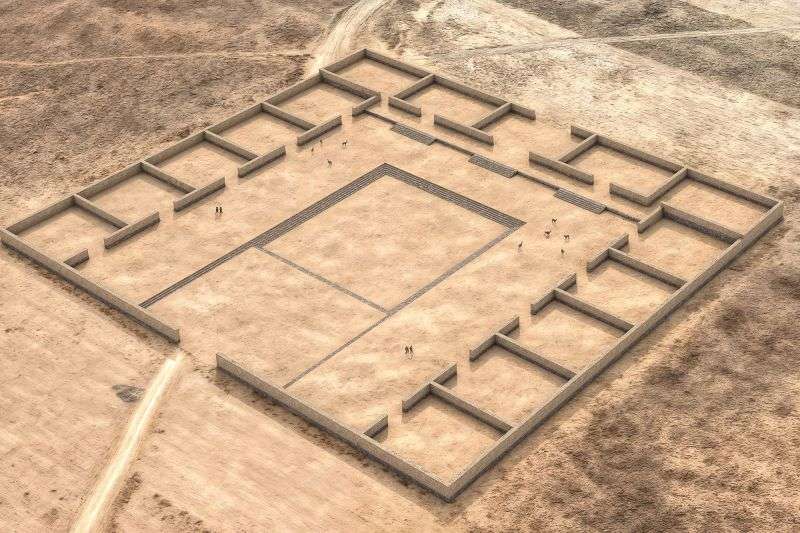
The newly uncovered temple has a square layout, approximately 20 by 20 meters, with walls made from finely cut sandstone enclosing a central courtyard. What excites experts the most is the presence of 14 evenly spaced niches built into the interior walls.
According to Andean culture expert Dr. José Luis Paz, “The number fourteen holds profound significance in the Andean cosmovision, symbolizing a full lunar cycle or an entire calendar. Seeing this replicated in a structure from so long ago reveals that this core spiritual system was established much earlier than previously believed.”
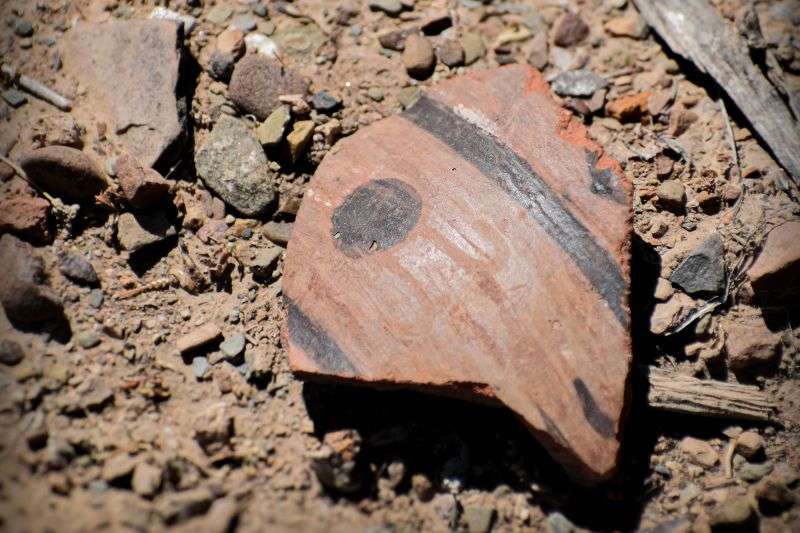
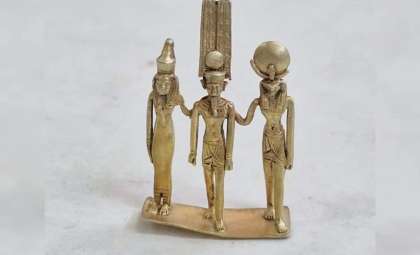
Among the most remarkable finds were ritual items hidden within the temple’s walls, including elaborately decorated ceramic containers, gold artifacts, and llama bones associated with sacrificial practices. These offerings were carefully placed to consecrate the temple permanently, demonstrating a profound religious commitment.
Unveiling the Pre-Tiwanaku Ancestors
This find extends the known timeline of the Tiwanaku culture by several centuries and supports theories that a sophisticated pre-Tiwanaku society existed, laying the philosophical and structural foundation for the empire to come.
Evidence points to these early people being direct predecessors rather than distinct groups. They demonstrated advanced knowledge in astronomy, stonemasonry, and organized social systems. Far from primitive, this civilization was already expressing a complex worldview through its architectural achievements.
This discovery reshapes the historical narrative of the Andes by showing that the Tiwanaku state gradually evolved through considerable cultural and technological development, rather than emerging suddenly. Innovations such as raised-field agriculture and expansive trade networks likely originated within this ancestral community that constructed the temple.
The Modern Importance of the Ancient Site
As humanity looks ahead to new frontiers, this temple reconnects us with an ancient chapter of our earthly past. It highlights the Andes as a region rich in history, often overshadowed by cultures from Mesoamerica.
For Bolivia, this archaeological breakthrough serves as a source of pride and may inspire a deeper, more nuanced appreciation of indigenous origins. The site is set to attract more detailed investigations, with every artifact offering fresh insights into a long-lost world.
- Categories:
- Science





0 comments
Sign in to Comment