
Sweden is currently experiencing sharp regional differences in electricity pricing, with the southern parts of the country seeing substantial spikes compared to the north. This growing divide has sparked public concern and demands for government action.
To highlight the intensity of the issue, consider this example:
The Swedish government is exploring additional aid for families and companies facing these soaring costs. Prime Minister Ulf Kristersson has acknowledged the difficult period ahead, prompting debate and criticism from opposition groups.

How Germany’s nuclear shutdown influences Europe’s power landscape
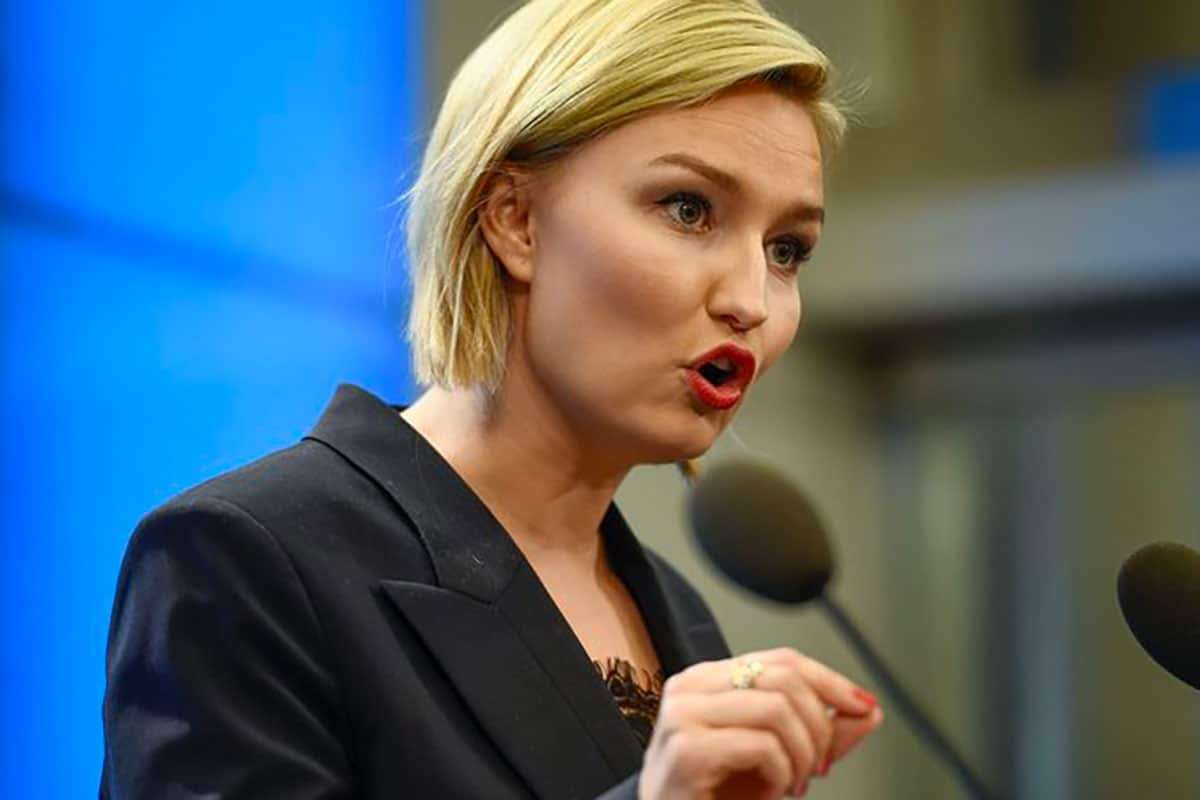
Energy Minister Ebba Busch has identified Germany’s move to retire its nuclear plants as a major driver behind the EU’s current power crunch. This decision reverberates widely, impacting neighboring nations such as Sweden.
Due to the connected nature of Europe’s electricity systems, when Germany’s wind output falls short, Swedish power is sent across borders to meet that demand. This limits the electricity available locally in Sweden, pushing domestic prices higher. The complexity of the EU’s energy framework calls for unified policy responses.
Facing these energy hurdles, emerging innovations bring hope. For example, researchers have engineered an advanced carbon-capturing material that could help reduce atmospheric CO2, supporting cleaner energy development.
Grid limitations and market rules deepen the electricity strain
The challenges Sweden faces are intensified by infrastructure gaps within its own grid. There is a weak electrical link between the hydro-rich north and the demand-heavy southern areas where production falls short, causing frequent shortfalls.
Adding complexity is the EU’s flow-based market coupling system, adopted in Sweden in October 2024. This mechanism prioritizes electricity demand across Europe instead of focusing on national requirements. Although intended to boost efficiency, it has unintentionally driven up power prices in southern Sweden.
Opposition voices, including Fredrik Olovsson, criticize the flow-based approach as a key factor in rising energy costs. The government’s implementation has drawn negative responses from industry experts and political adversaries alike.
Sweden’s strategy: harmonizing national needs with EU cooperation
Despite criticism, Swedish leaders remain committed to participating in the European energy market. Energy Minister Ebba Busch asserts that the flow-based market system is part of the solution, enhancing electricity transmission from northern to southern Sweden.
The government’s plan involves:
- Expanding nuclear and hydroelectric capacity
- Introducing measures to stabilize energy prices through 2030
- Optimizing utilization of the nation’s electricity production
These initiatives aim to ease immediate price pressures while improving long-term energy resilience. Balancing Sweden’s domestic priorities with its EU obligations remains a central challenge.
The unfolding power crisis highlights the necessity for novel energy generation and distribution techniques. In this light, recent findings such as a submerged continent with promising energy potential could transform sustainable energy prospects worldwide.
Sweden’s evolving response to its energy difficulties will likely resonate beyond its borders, shaping broader debates on energy governance, market structures, and the intersection of national sovereignty with European collaboration.
- Categories:
- News












0 comments
Sign in to Comment