
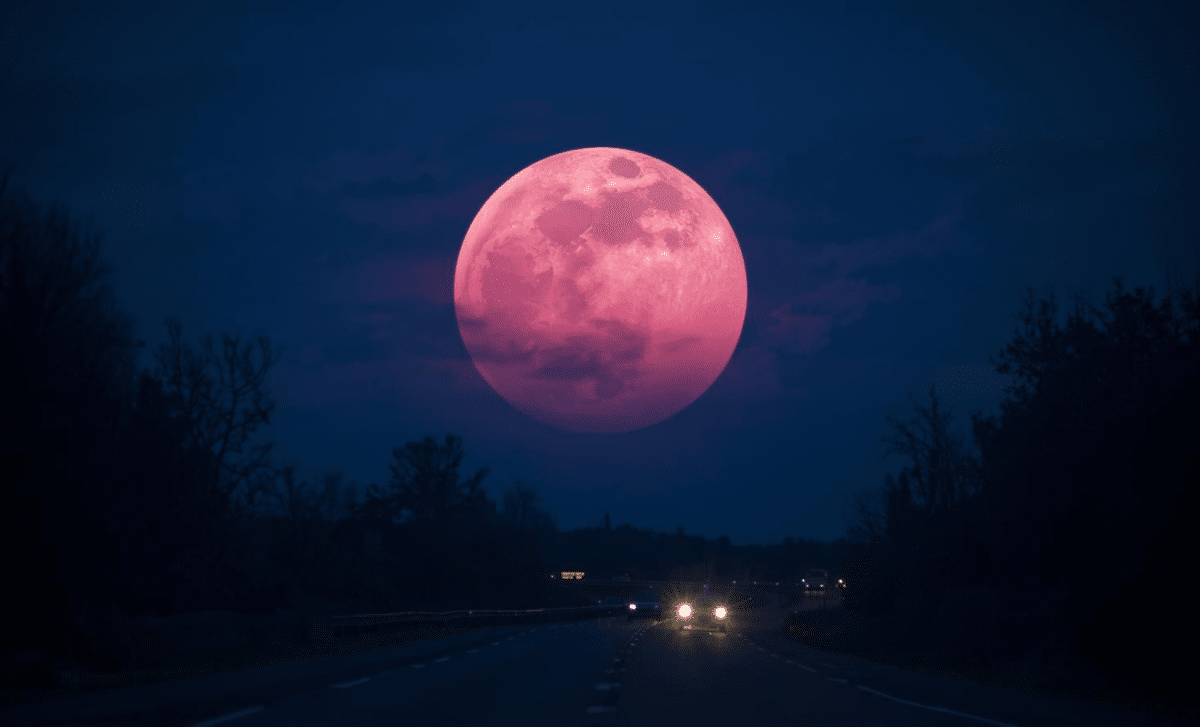
This June, enthusiasts will witness a special lunar event as the Strawberry Moon reaches its full glow and marks the last micro moon of 2026. Unlike a typical full moon, this one will appear slightly smaller than usual and hover unusually low in the sky for much of the Northern Hemisphere. While full moons are a familiar spectacle, this event highlights the Moon’s varying appearances. After sunset, observers might catch one of the year’s most remarkable moonrises as the glowing orb skims near the horizon.
What Sets This Full Moon Apart?
The full moon in June is traditionally called the Strawberry Moon, named after the time of year when strawberries are harvested in parts of North America. Contrary to popular belief, the title doesn't describe the Moon’s color but stems from long-standing seasonal naming traditions that have been passed down through generations as a symbol of early summer.
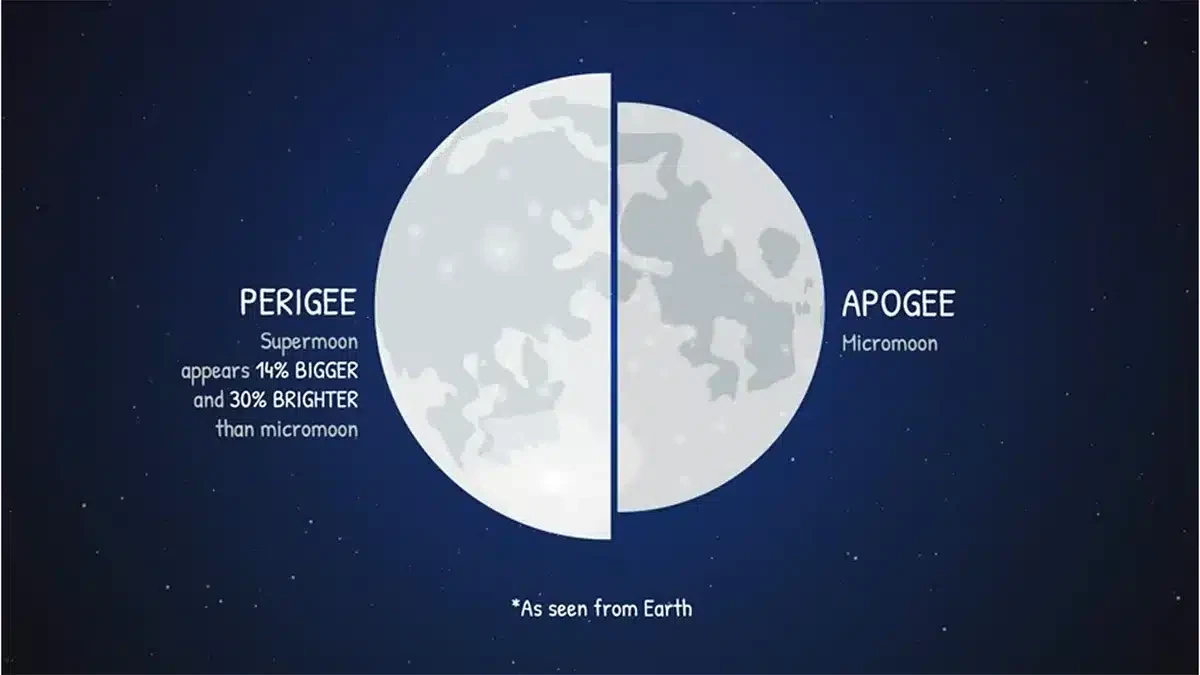
The distinctive feature of this year’s Strawberry Moon is its status as a micro moon. This occurs when the Moon reaches full phase near apogee, the farthest point in its orbit from Earth. Because the Moon’s orbit is elliptical, its distance from Earth varies each month. When a full moon appears at apogee, it looks somewhat smaller in the sky. Although the size difference is subtle for casual viewers, it is measurable and important scientifically. A micro moon may look about seven percent smaller compared to a regular full moon, and the difference is even more evident when contrasted with a supermoon.

Time and Date reports that the Strawberry Moon will peak at 7:56 p.m. ET on June 29, 2026. For much of North America, this peak coincides with twilight, so the prime viewing window will be after sunset. The Moon will appear fully illuminated and maintain this brightness throughout the night as it rises in the southeastern sky and remains low on the horizon.
Noticeably Low Moon Trajectory This June
Aside from its size, the Moon’s placement in the sky this June adds to the spectacle. June full moons are well-known for their low arcs, offering a strikingly different sight from the higher paths seen in winter. This is closely tied to the celestial dynamics behind the summer solstice.
Due to Earth’s tilted axis as it revolves around the Sun, the Northern Hemisphere leans toward the Sun in late June. This tilt brings longer daylight hours and causes the Sun to appear elevated in the sky. Conversely, the full Moon, which shines opposite the Sun, follows a lower trajectory.
This means observers will see the Strawberry Moon rise in the southeastern sky shortly after dusk, moving low across the southern horizon before finally setting in the southwest before dawn. Viewers in areas surrounded by trees, buildings, or hills might find the Moon’s low path makes viewing somewhat more difficult. Despite this, the Moon’s brightness should ensure it remains easy to spot, although a clear view may be necessary.
A Gentle Yet Fascinating Moon Viewing Experience
While the Strawberry Moon may not dazzle with vivid hues or eclipses, its interest lies in the blend of unique features happening simultaneously. It’s the last micro moon of the year, one of the lowest full moons of 2026, and a seasonal indicator tied to the start of summer in the Northern Hemisphere.
For those who enjoy stargazing, these factors elevate an otherwise ordinary full moon into a more intricate astronomical event. As night falls on June 29, the Moon’s lower flight path combined with its slightly diminished size showcases the fascinating orbital mechanics of the Earth-Moon system. Taking a moment to observe this moonrise might inspire a deeper appreciation of the subtle changes in our familiar night sky each month.
- Categories:
- News










0 comments
Sign in to Comment