
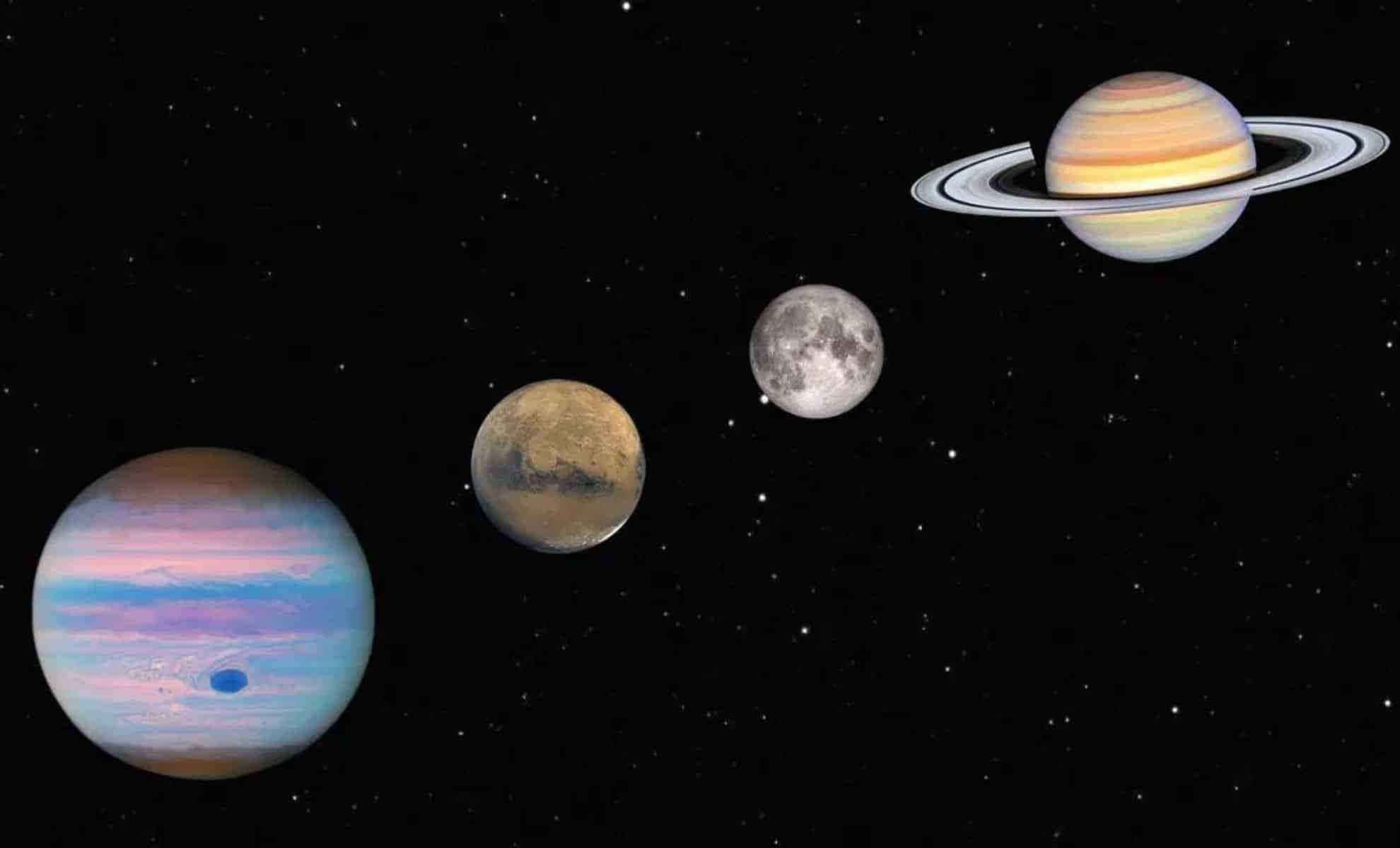
Skywatchers across the U.S. are poised to witness an extraordinary astronomical event on Saturday morning, June 29.
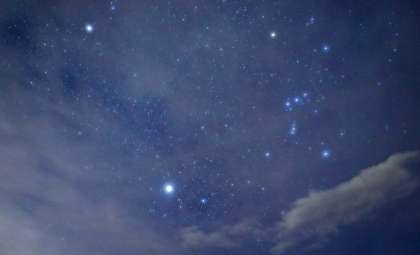
This rare planetary lineup, often called a planetary parade, will light up the pre-dawn sky with a stunning array of planets in close alignment.
Overview of the Upcoming Planetary Parade
On June 29, observers can expect to see Saturn, the Moon, Mars, Jupiter, Uranus, and Neptune appearing in a remarkable formation across the sky. Although a similar event took place on June 3, the upcoming parade offers improved conditions for viewing.

Unlike the previous occasion, which suffered from early sunlight obscuring the view, this Saturday provides a better chance to observe the planets clearly. With Mercury, Uranus, and Jupiter positioned high above the horizon, sunlight interference will be minimal. Additionally, the Moon’s alignment will help enhance the visibility of this celestial gathering.
Optimal Viewing Tips
To enjoy the planetary parade, enthusiasts should look toward the eastern or southeastern sky shortly before sunrise. Andrew Fazekas, communications manager at Astronomers Without Borders, advises, “Rise early, before the sun comes up. Find a location that offers a clear, unobstructed view facing east or southeast.”
Fazekas also recommends bringing binoculars or a telescope, as some planets might be too faint to see with the naked eye. While Mars, Jupiter, and Saturn can be spotted without equipment, Uranus and Neptune require optical aid due to their distance and faintness. “Neptune specifically demands strong binoculars or a small telescope to be visible,” he notes. It’s also important to avoid bright city lights and tall obstacles to ensure the best possible view.
The Mechanics of Planetary Alignments
Planetary alignments occur when multiple planets line up on one side of the sun as seen from Earth. This phenomenon arises because all planets orbit the sun in approximately the same plane, called the ecliptic. As they travel around the sun at different speeds, they sometimes cluster together, creating an alignment visible from our perspective.
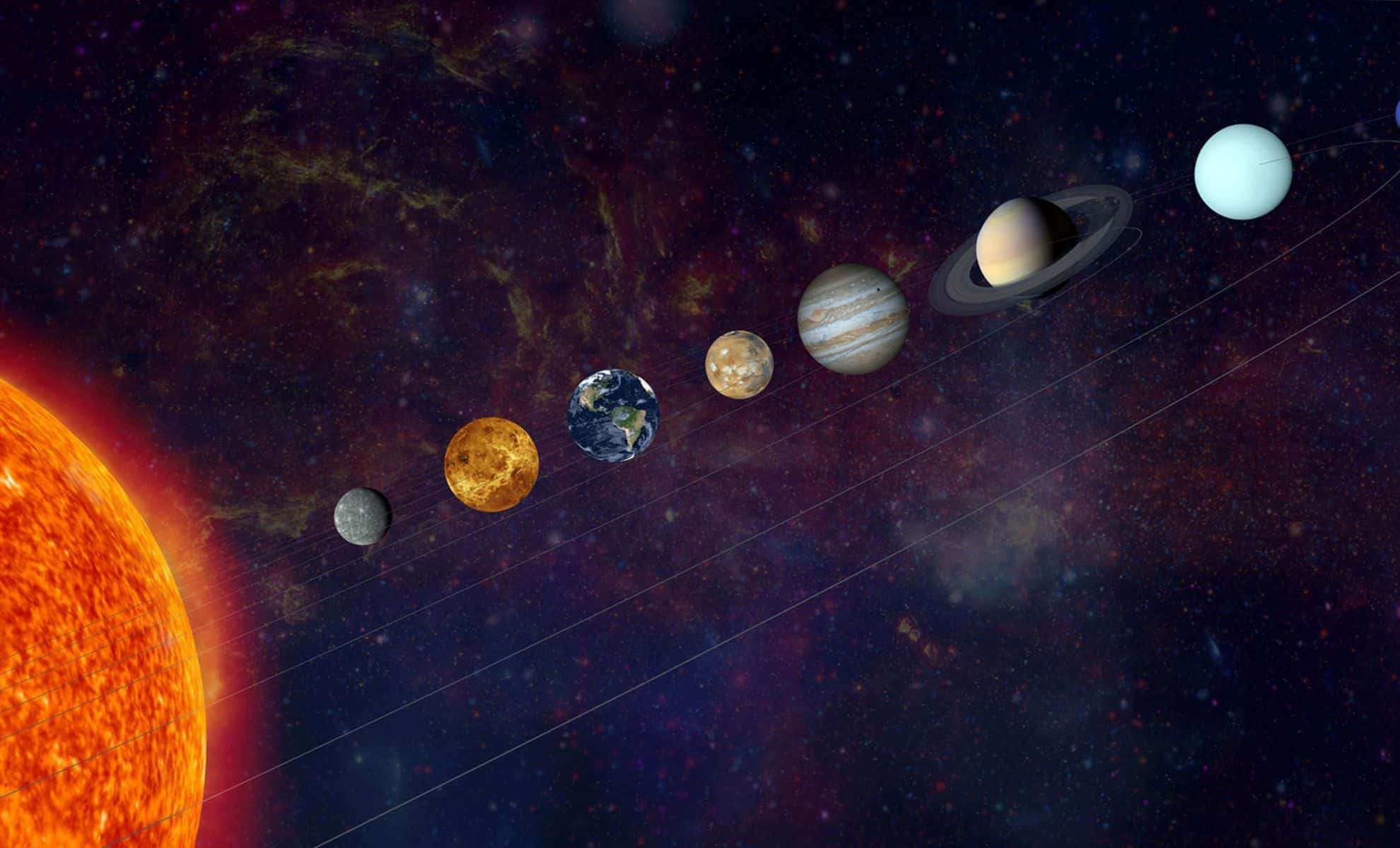
These alignments are not perfectly straight due to differences in orbital distance and speed but offer an impressive lineup that’s easy to spot. The event on June 29 qualifies as a major planetary alignment, involving five or six planets, serving as an exciting occasion for astronomers and enthusiasts to study the solar system’s dynamics.
Upcoming Viewing Opportunities
Those unable to catch the June 29 planetary parade need not worry, as several more chances will present themselves soon. Space.com reports that significant alignments will follow on August 28 and January 18, 2025, showcasing Mercury, Mars, Jupiter, Saturn, Uranus, and Neptune.
Such planetary gatherings occur multiple times annually, offering numerous opportunities for onlookers. Every alignment slightly differs in how many planets are visible and their arrangement, providing fresh and captivating celestial views each time. Keeping these dates in mind will help enthusiasts plan their future skywatching adventures.
Suggestions for Enhancing Your Viewing Experience
For a rewarding observation of the planetary parade, selecting a spot free from light pollution with a broad horizon is key. Avoiding locations with obstructing structures like tall buildings or mountains will improve visibility. Smartphone apps like Skyview can be invaluable, helping users identify planets and constellations quickly.
These apps offer live star maps and labels to pinpoint celestial objects, simplifying the process of finding and recognizing planets. Patience and allowing eyes to adjust to low light conditions also help reveal the dimmer members of the planetary lineup.
Anticipation and Viewer Guidance
Although the planetary parade won't match the spectacle of a solar eclipse or the aurora borealis, it remains a captivating event for amateur astronomers and casual observers. Fazekas cautions, “My concern is that overhype might lead to disappointment, discouraging people from trying again.”
Nevertheless, seeing multiple planets lined up above us is a breathtaking reminder of our solar system’s complexity and grandeur. This rare sight not only delights veteran stargazers but can also inspire newcomers to explore the wonders of space.
- Categories:
- Astronomy ,
- News ,
- Space









0 comments
Sign in to Comment