
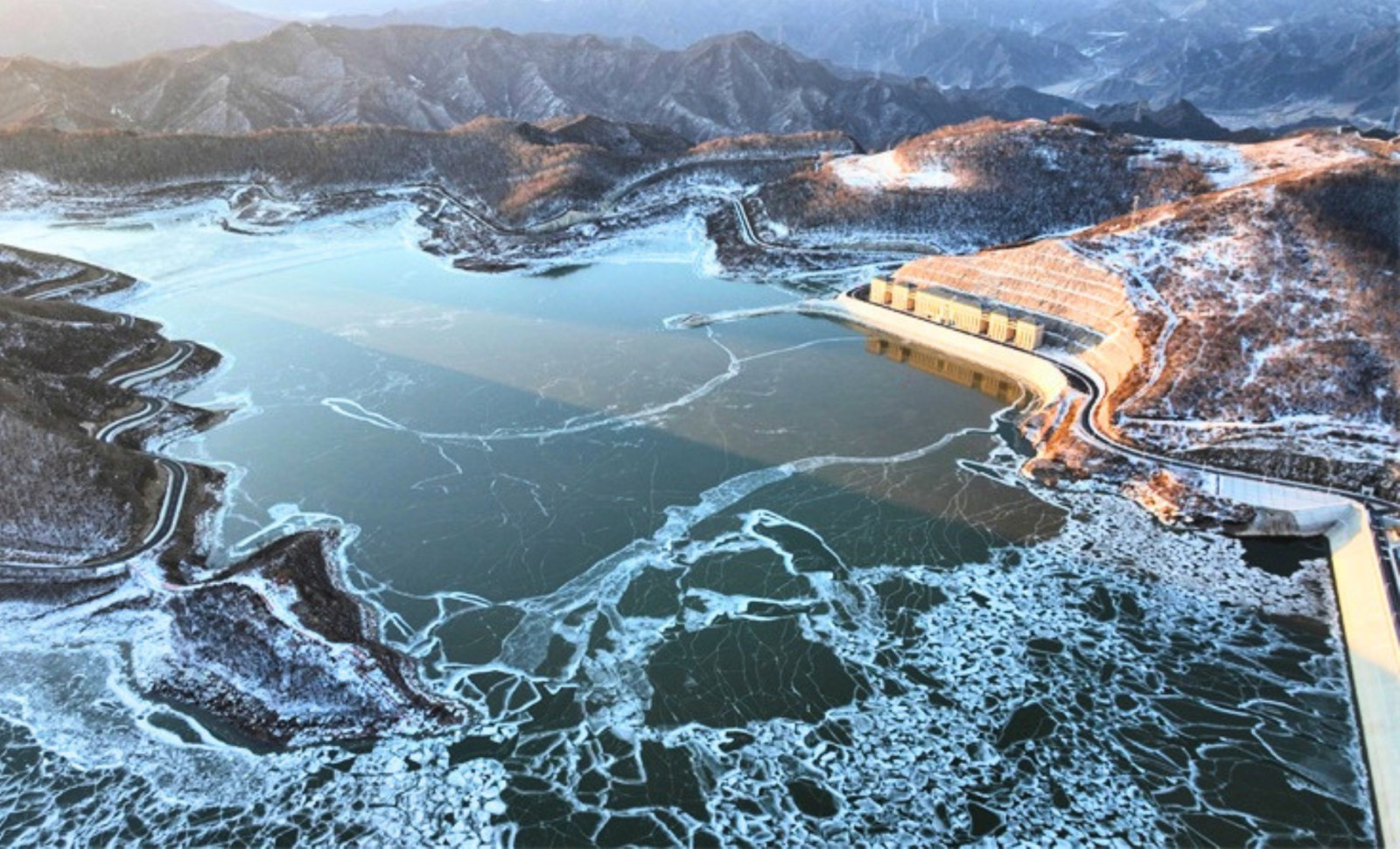
China is rapidly developing reservoirs for a cutting-edge purpose: storing electrical energy.
With the nation’s wind and solar projects advancing at an unprecedented rate, the primary hurdle is no longer only expanding generation capacity. The pressing issue has become maintaining energy availability during periods without sunlight or wind. This urgency has propelled pumped-storage hydropower—which stores energy by pumping water uphill and releasing it later to produce electricity—to the forefront of China’s energy plans.
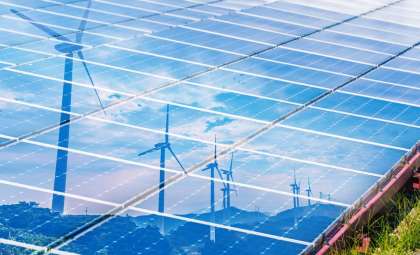
The massive scale of renewable deployment highlights the importance of this approach. In December 2020, Xi Jinping announced that China would reach 1,200GW of combined wind and solar capacity by 2030. Remarkably, China surpassed this milestone by July 2024, six years ahead of schedule. By late 2025, the total wind and solar capacity exceeded 1,840GW, accounting for 47.3% of the nation’s power capacity, according to recent reports.

Expansion is continuing at an extraordinary pace. As reported by The Guardian, between January and May 2025, China installed an additional 198GW of solar power and 46GW of wind turbines. May alone saw 93GW of solar and 26GW of wind capacity added, volumes so large that analyst Lauri Myllyvirta noted these monthly increments could produce as much electricity as entire countries like Poland, Sweden, or the UAE under favorable conditions.
Understanding Pumped-Storage Hydropower
Pumped-storage hydropower operates on an elegant principle, albeit demanding significant engineering. When surplus electricity is available, water is pumped from a lower basin to an elevated reservoir. Later, when electricity demand surges, the stored water flows downhill through turbines, generating power.
The appeal lies in its large-scale storage capability. According to reports, this method stands as one of the most effective energy storage technologies currently implemented. The International Hydropower Association’s 2025 outlook positions pumped storage at the heart of the global hydropower development pipeline. The technology thrives in regions where significant altitude differences exist, often making mountainous landscapes highly suitable.
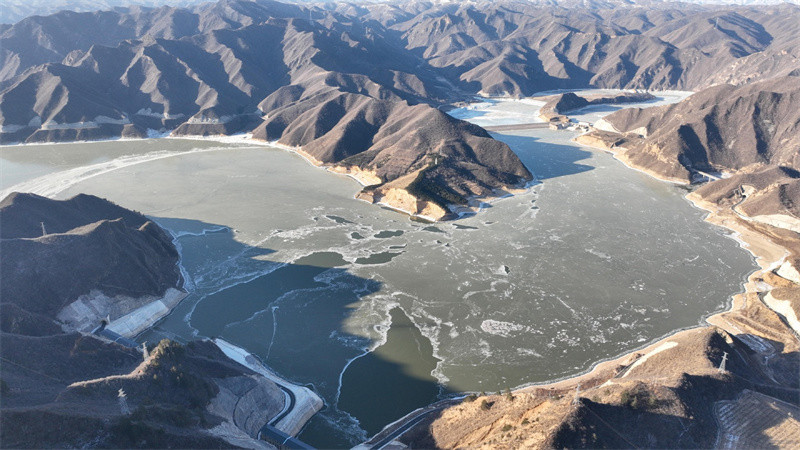
China’s strategy involves using surplus wind and solar electricity to elevate water into high reservoirs, releasing it during peak demand periods. This effectively integrates these reservoirs into an energy storage system rather than just conventional water infrastructure. Simultaneously, China is expanding its battery capacity, which one report notes increased by 75% in 2025 compared to the previous year.
The Rising Importance of Energy Storage
The rationale behind ramping up reservoirs is clear. Renewable sources like wind and solar depend on weather and time, while electricity consumption follows distinct rhythms. This mismatch creates an increasing need to store and shift energy availability over time, not merely to generate more power.
One report labels storage a critical national focus, revealing that China currently has more pumped-storage projects underway than the rest of the world combined. The government prioritizes both battery technologies and pumped hydro as essential for managing intermittent renewable energy within the national grid.
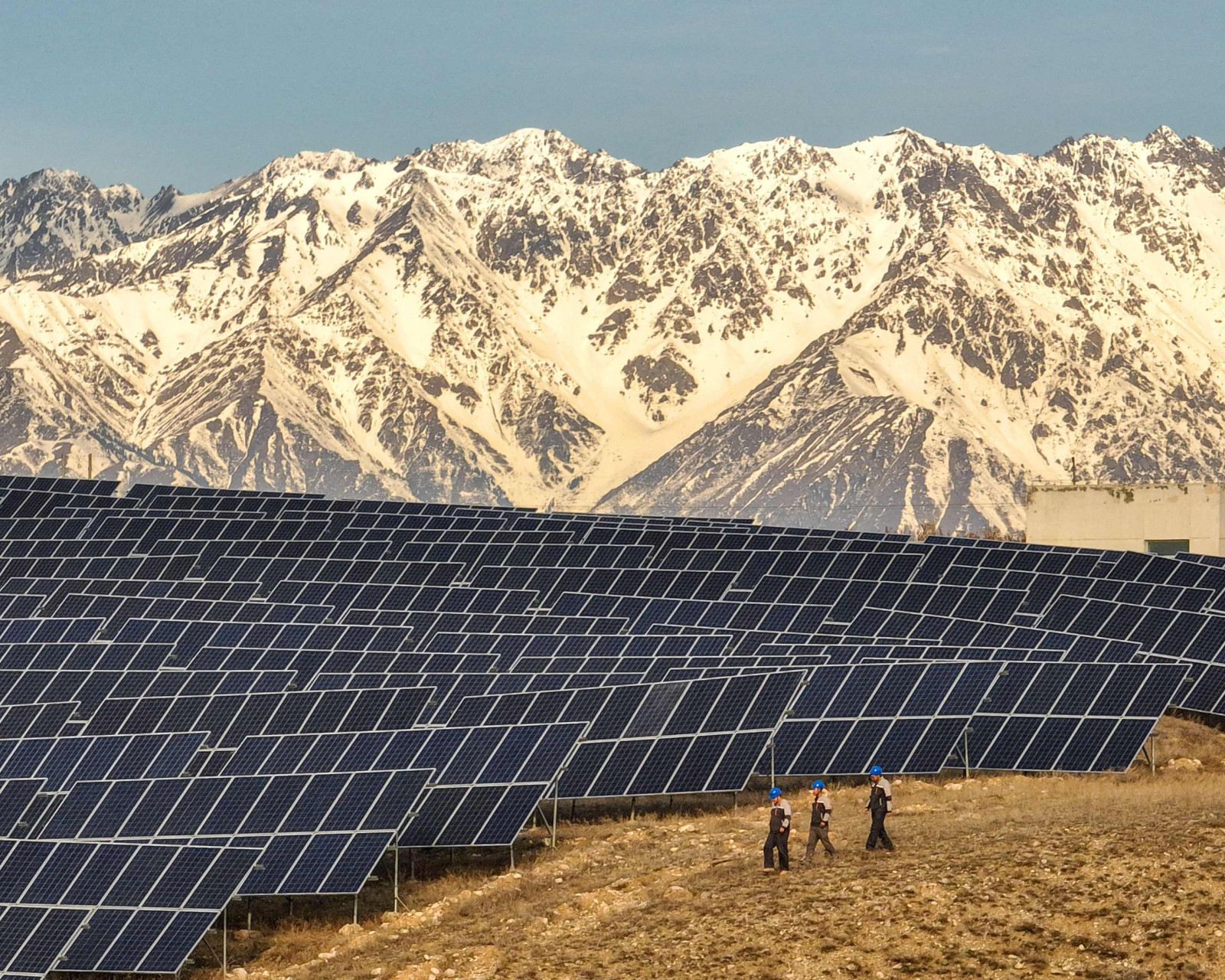
The Voltrush newsletter echoes this approach, noting that Beijing’s latest five-year plan includes significant expansion in pumped hydro storage combined with battery growth. Together, these efforts aim to integrate a vast surge in wind and solar power effectively, aligning with the broader perspectives found in other sources.
China’s Dominance in Hydropower Storage
The 2025 World Hydropower Outlook offers a global perspective, stating the total hydropower pipeline worldwide now exceeds 1,075GW, including 600GW of pumped storage and 475GW conventional capacity. In 2024 alone, China added 14.4GW of hydropower, of which 7.75GW was pumped-storage.
These figures highlight that China is not just leading in renewable energy generation but is also investing heavily in the infrastructure needed to store and manage power at scale. This dominance helps position pumped hydro as the backbone of China’s long-duration energy storage, working in tandem with an expanding battery sector, as outlined in a source indicating plans to increase pumped-storage capacity from 59GW to around 100GW within five years.
An Evolving Chapter in China’s Renewable Energy Growth
These reservoir developments signify a maturation in China’s energy transition. Whereas the initial focus was primarily on scaling up solar panels and wind turbines, the current priority shifts toward enhancing the ability to store and dispatch electricity reliably throughout the day and across the network.
Generation remains crucial, yet storage technologies must evolve alongside to ensure stability. China’s surging wind and solar figures demonstrate ongoing growth in supply, complemented by concurrent advances in pumped-storage infrastructure that reflect a concerted effort to stabilize and balance the grid.
- Categories:
- News







0 comments
Sign in to Comment