
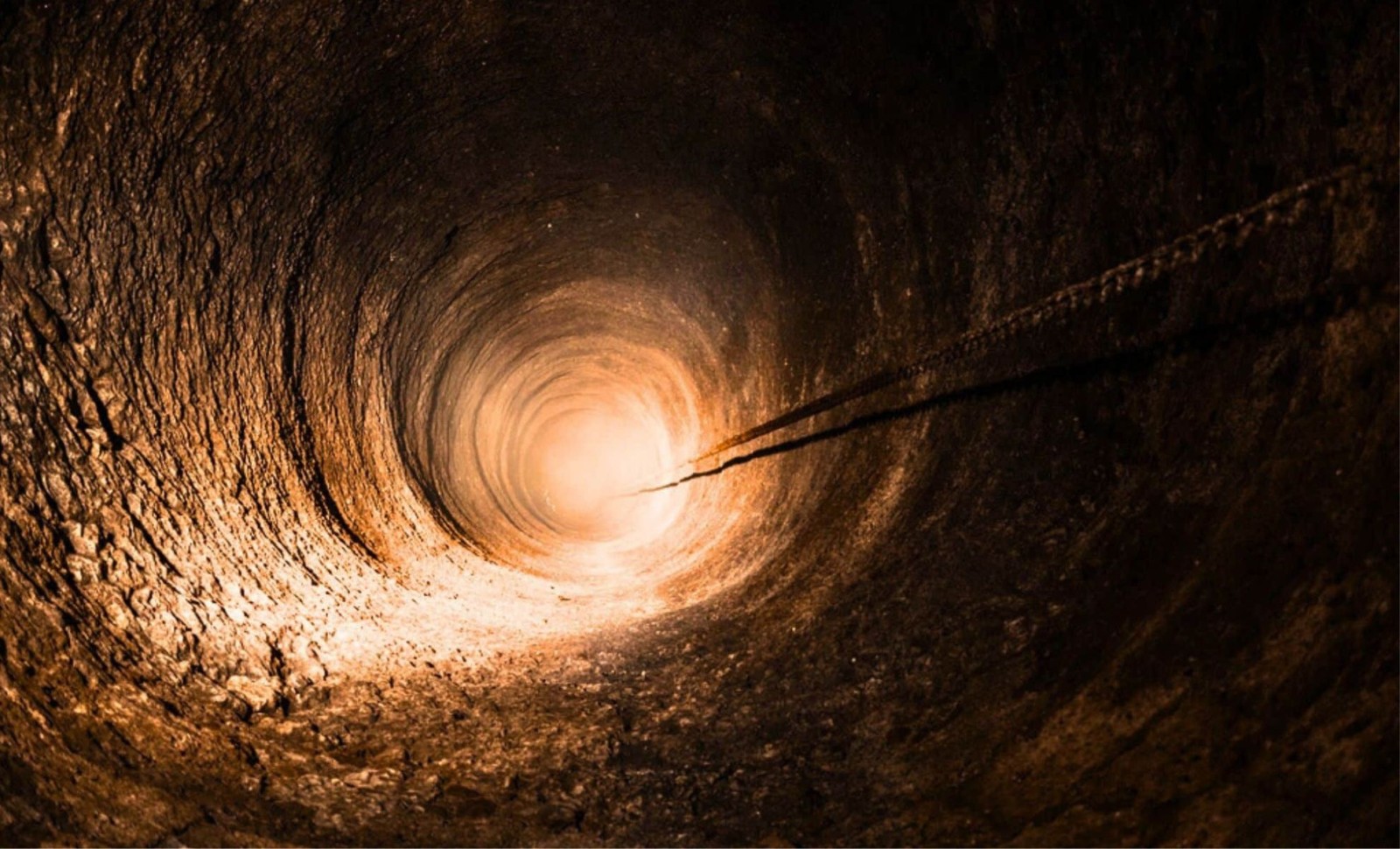
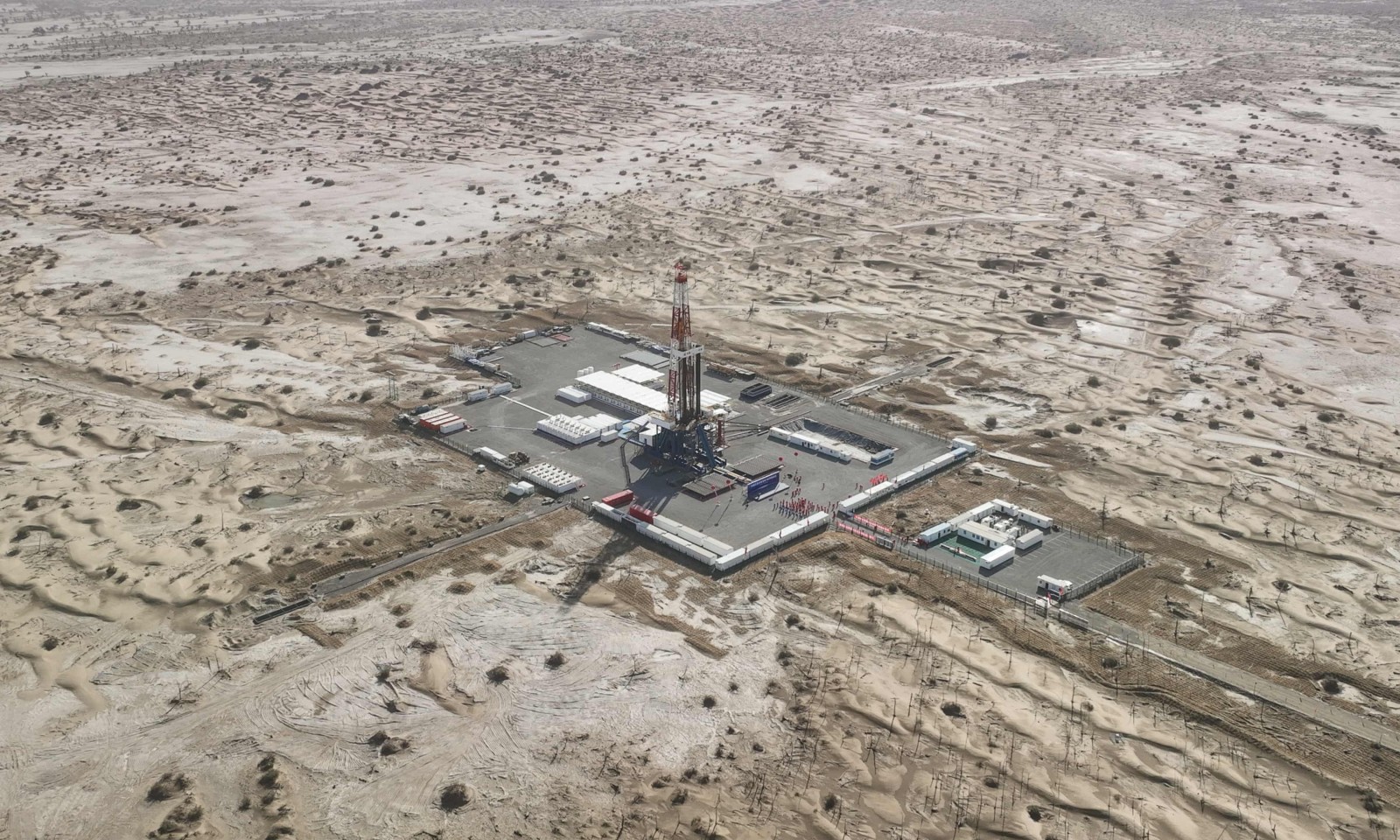
Deep within China’s Taklimakan Desert in the Xinjiang region, a groundbreaking drilling operation has commenced, aiming to plunge more than 11 kilometers beneath the surface — deeper than the height of Mount Everest. Initiated in May 2024 by the China National Petroleum Corporation (CNPC), this project marks an unprecedented venture into the Earth’s crust for the country.
This initiative is heralded by Beijing as a milestone for deep underground scientific exploration. However, the choice of site and timing point toward broader ambitions amid global competition for vital resources and geological intelligence, as China extends its reach both vertically below the surface and geopolitically into areas traditionally influenced by Western powers.
The project promises to penetrate strata dating back 145 million years, offering new insights into tectonics, climate transformation, and the origins of natural resources. Beyond pure science, the data gathered could prove pivotal for strategic mineral discovery, seismic monitoring, and enhancing China’s energy independence.

covert race to chart the underground frontier
Per Xinhua News Agency, drilling operations started at 11:46 a.m. on May 30, 2024, within the Tarim Basin. The engineers aim to breach more than ten distinct continental layers, confirming passage through the Cretaceous geological formation. Dating back over 100 million years, this era is crucial for piecing together Earth’s ancient biological and geological history during times of intense tectonic shifts.
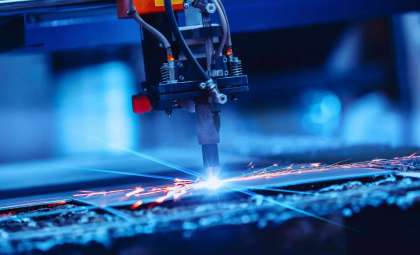
The entire endeavor is slated to last roughly 450 days, deploying over 2,000 tonnes of specialized machinery such as robust drill bits and pipes engineered to endure pressures and temperatures around 200°C (392°F). Undertaking drilling at such extreme depths carries numerous hazards, including unpredictable rock formations, equipment failure, and mechanical wear previously encountered in similar undertakings.
China’s massive drilling target recalls the Kola Superdeep Borehole—a Soviet project that reached 12,262 meters in the 1990s. That site revealed unexpected fossils and water reservoirs but also highlighted the technological challenges of reaching extreme depths. China’s project will test if modern advancements in technology and computation can overcome those previous barriers.
beyond hydrocarbons: unlocking rare earth treasures
While the official narrative focuses on science, the economic stakes are equally clear. The Tarim Basin is a known repository of oil and natural gas, with energy producers like Sinopec already extracting resources at depths exceeding 8,500 meters. This new drill delves further, prompting speculation about what rare minerals might be accessed.
One key element involves rare earth elements (REEs), a group of 17 chemically related metals vital to modern electronics, renewable energy technologies, and military hardware. China controls over 60% of the global rare earth supply, according to the U.S. Geological Survey, making further discoveries in the Tarim Basin strategically crucial.
The area’s complex geology increases the possibility of posing untapped REE deposits. Finding new sources could cement China's dominance in these critical minerals, impacting industries from smartphones and electric vehicles to aerospace defense systems.
Unlike the high-profile nature of space missions, subsurface exploration remains largely unnoticed by mainstream media, yet it represents a critical front in the global race for resource security. China’s deep drilling signifies a move to obtain invaluable underground geological data ahead of international rivals.
exploring the depths and beyond
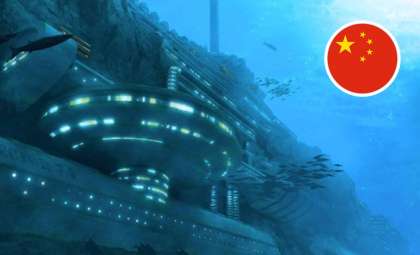
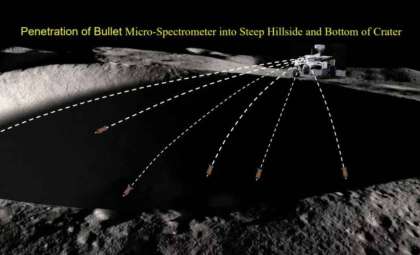
The timing of this substantial borehole project aligns with China’s broader commitment to cutting-edge technology. In parallel, the nation has ramped up lunar exploration initiatives, asteroid sample collection missions, and deep ocean infrastructure projects. This approach highlights a dual focus on both space and Earth's interior as domains ripe for strategic advantage.
Beyond discovery, the data harvested will enhance models for earthquake forecasting, underground mapping, and hydrocarbon reservoir prediction. With climate change intensifying natural hazards, these tools are increasingly essential to managing risks.
The advanced technologies involved—heat-resistant materials, powerful motor systems, and live subsurface sensing—have wide applicability across sectors, from geothermal energy development to defense, underscoring the broader benefits that stem from the Tarim drilling campaign.
- Categories:
- News






0 comments
Sign in to Comment